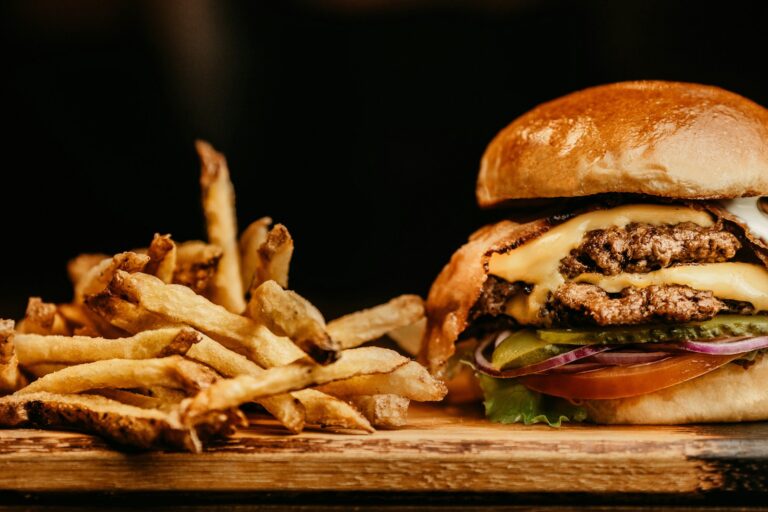
Recent studies indicate that certain food choices may signal a deeper psychological tendency among individuals to avoid disappointing others. This insight is crucial as it not only affects personal eating habits but also influences social dynamics and mental well-being. By understanding how our food selections can reflect our fears and insecurities, we can foster healthier relationships with ourselves and others.
1. The Overly Safe Meal
Opting for universally accepted and safe meal choices, such as plain chicken or pasta with marinara sauce, often indicates a desire to please others while avoiding potential criticism. This behavior is common in social settings where individuals feel pressure to conform to the preferences of their peers. Choosing bland or predictable meals can stem from a fear of being judged for more adventurous tastes, leading individuals to suppress their true preferences.
2. Avoiding Controversial Ingredients
People who consciously avoid certain ingredients, such as gluten or dairy, in social settings may be attempting to sidestep potential disagreements or discomfort among friends and family. For example, someone who is typically enthusiastic about experimental cuisines may choose to abstain from unique dishes if they believe others in the group might not share the same enthusiasm. This avoidance can reflect a deeper anxiety about standing out or being seen as difficult.
3. The Pressure to Share
Individuals who frequently choose to order large, shareable platters in group settings often exhibit a desire to foster camaraderie and avoid any feelings of exclusion among their peers. This tendency can stem from a fear of disappointing others by not contributing to the group dynamic. By prioritizing shared experiences over personal preference, they may inadvertently suppress their own desires, reinforcing a cycle of self-neglect for the sake of group harmony.
4. The Guilt-Induced Snack
Food choices made out of guilt can also reveal a person’s fear of disappointing others. For instance, someone might opt for a low-calorie snack when dining with health-conscious friends, even if they would prefer a more indulgent option. This behavior often stems from a fear of judgment or a desire to maintain a certain image, leading individuals to prioritize others’ perceptions over their own satisfaction.
5. The Compulsive Caterer
Those who take it upon themselves to prepare elaborate meals for gatherings often do so out of a fear of disappointing their guests. This desire to impress can lead to excessive stress and anxiety, which may manifest in overcompensating through food. The compulsive caterer may prioritize the opinions of others over their own enjoyment, often sacrificing their own culinary preferences to create an idealized experience for their guests.
6. The Reluctant Responder
Lastly, individuals who struggle with decisiveness when ordering food in a group can be perceived as wanting to avoid disappointing others. They may defer to the preferences of friends and family, even if it means they are left unsatisfied. This tendency to seek approval can be indicative of a deeper fear of rejection, leading to a cycle of indecision that not only affects meal choices but can extend to various aspects of one’s life.
Understanding the Impact
Recognizing how food choices can reflect deeper psychological issues is vital for personal growth and healthier relationships. Understanding these patterns allows individuals to confront their fears and anxieties, ultimately leading to more authentic interactions. Awareness of the psychological implications behind food choices can empower individuals to prioritize their preferences and foster environments where everyone feels comfortable expressing themselves.
Encouraging Open Conversations
To promote healthier eating habits and social interactions, it is essential to encourage open conversations about food preferences. Friends and family should feel safe discussing their choices without judgment, creating a supportive atmosphere where everyone feels valued. By normalizing the expression of individual tastes, we can reduce the pressure to conform and build stronger connections.
Conclusion
Ultimately, understanding the relationship between food choices and the fear of disappointing others can lead to more satisfying and fulfilling dining experiences. By fostering open dialogue and encouraging authenticity in our culinary preferences, we can combat the social anxieties that often dictate our eating habits. As society continues to evolve, it is crucial to prioritize individual choices and cultivate a culture of acceptance around food.

As a mom of three busy boys, I know how chaotic life can get — but I’ve learned that it’s possible to create a beautiful, cozy home even with kids running around. That’s why I started Cultivated Comfort — to share practical tips, simple systems, and a little encouragement for parents like me who want to make their home feel warm, inviting, and effortlessly stylish. Whether it’s managing toy chaos, streamlining everyday routines, or finding little moments of calm, I’m here to help you simplify your space and create a sense of comfort.
But home is just part of the story. I’m also passionate about seeing the world and creating beautiful meals to share with the people I love. Through Cultivated Comfort, I share my journey of balancing motherhood with building a home that feels rich and peaceful — and finding joy in exploring new places and flavors along the way.