

Recent consumer trends have revealed a troubling pattern among several popular grocery brands, with many facing backlash for questionable business practices, environmental concerns, and product quality issues. This situation not only affects the companies involved but also impacts millions of consumers who rely on these brands for their everyday needs. As shoppers become more aware of the consequences of their purchasing decisions, the reputation of these brands has taken a significant hit, prompting discussions about transparency and ethics in the grocery industry.
1. Nestlé
Nestlé has long been a household name, known for its wide range of food and beverage products. However, the company has faced increasing criticism for its water extraction practices, particularly in drought-stricken areas. Activists argue that Nestlé’s bottled water operations deplete local water supplies, leading to environmental degradation and community distress. As a result, many consumers have chosen to boycott Nestlé products, severely affecting the brand’s reputation and market share.
2. Coca-Cola
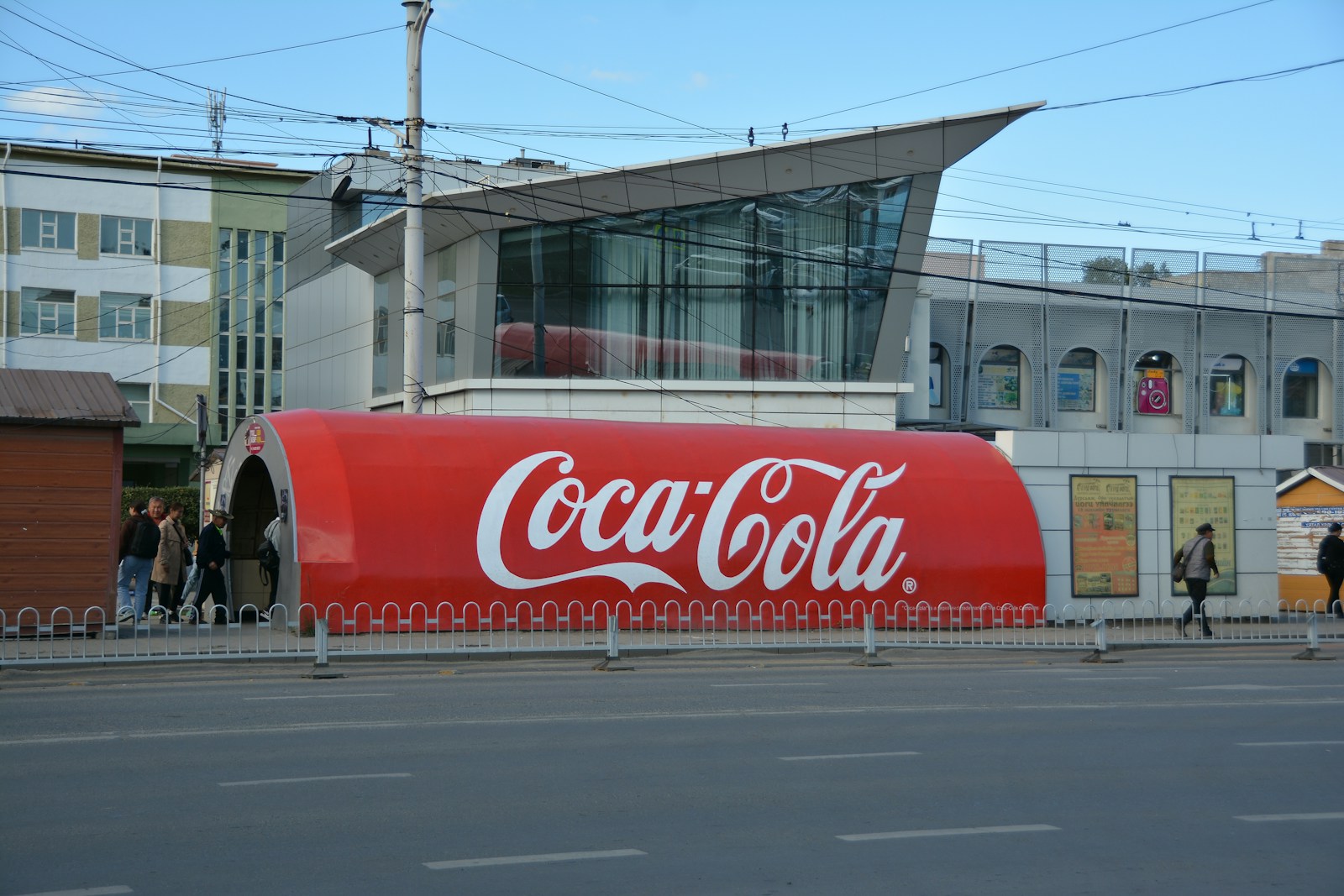
Coca-Cola has also found itself in hot water over its environmental footprint. The brand has been scrutinized for its excessive plastic usage and inadequate recycling efforts. With growing concerns about plastic pollution, many consumers are now questioning the sustainability of products that carry the Coca-Cola label. The company’s response has been criticized as insufficient, prompting a surge in calls for more eco-friendly alternatives in the beverage industry.
3. Kraft Heinz
Kraft Heinz has made headlines for its controversial use of artificial ingredients in many of its products. Consumer demand for cleaner labels and healthier options has spurred backlash against the brand, leading to significant declines in sales. In addition, the company’s reliance on processed foods has raised questions about nutritional value, alienating health-conscious shoppers. As consumers shift toward more wholesome eating habits, Kraft Heinz’s reputation continues to suffer.
4. Walmart
Walmart, the retail giant, has faced scrutiny over its labor practices and treatment of employees. Reports of low wages, inadequate working conditions, and anti-union tactics have tarnished the company’s image among socially conscious consumers. Activists argue that Walmart prioritizes profits over people, leading many to seek alternatives that align more closely with their ethical values. As a result, Walmart’s reputation has been put on the line, affecting customer loyalty.
5. Tyson Foods
Tyson Foods, one of the largest meat producers in the world, has come under fire for its animal welfare practices and environmental impact. The company’s operations are frequently criticized for contributing to deforestation and greenhouse gas emissions. Additionally, allegations of poor treatment of livestock have led to public outrage and calls for reform in the meat industry. As consumers increasingly consider the ethical implications of their food choices, Tyson’s reputation has suffered significantly.
6. General Mills
General Mills has faced backlash for its perceived lack of transparency regarding its supply chain and ingredient sourcing. The brand, known for iconic products like Cheerios and Betty Crocker, has been criticized for not doing enough to address concerns about genetically modified organisms (GMOs) and pesticides. As a growing number of consumers seek organic and non-GMO options, General Mills finds itself in a precarious position, as trust in the brand dwindles.
Conclusion
The reputations of these grocery brands serve as cautionary tales in a rapidly changing marketplace. As consumers become more informed and concerned about the ethical and environmental implications of their purchases, brands that fail to adapt to these expectations risk losing customer loyalty. The fallout from these controversies highlights the importance of corporate responsibility and transparency in the grocery sector, ultimately shaping the future of consumer choices.
In a world where shoppers increasingly prioritize sustainability and ethical practices, these six brands must work diligently to regain trust and repair their public image. Whether through improved practices, better transparency, or innovative product offerings, the path to redemption will be crucial for their long-term viability in a competitive market.

As a mom of three busy boys, I know how chaotic life can get — but I’ve learned that it’s possible to create a beautiful, cozy home even with kids running around. That’s why I started Cultivated Comfort — to share practical tips, simple systems, and a little encouragement for parents like me who want to make their home feel warm, inviting, and effortlessly stylish. Whether it’s managing toy chaos, streamlining everyday routines, or finding little moments of calm, I’m here to help you simplify your space and create a sense of comfort.
But home is just part of the story. I’m also passionate about seeing the world and creating beautiful meals to share with the people I love. Through Cultivated Comfort, I share my journey of balancing motherhood with building a home that feels rich and peaceful — and finding joy in exploring new places and flavors along the way.