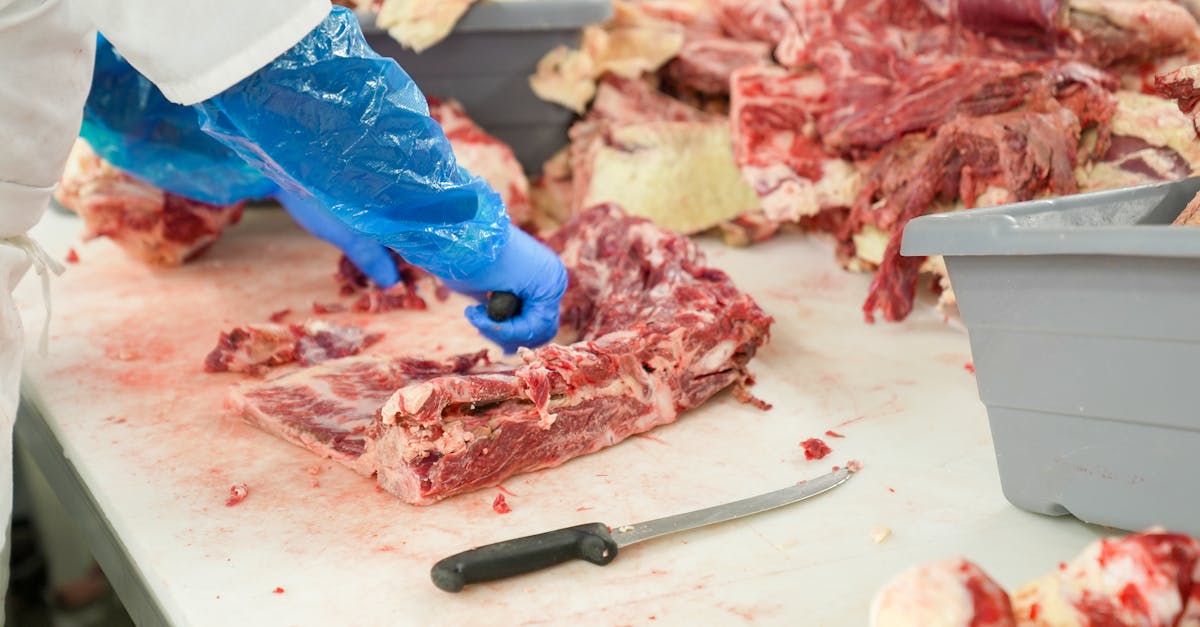
In recent years, concerns over food safety, animal welfare, and environmental impacts have led to the banning of certain meats in the United States. While these decisions are often rooted in science and legislation, they can leave consumers confused and questioning what they can safely enjoy. In this article, we’ll explore six meats that are currently banned, highlighting the reasons behind these restrictions and the implications for the American diet.

1. Horse Meat
In the U.S., the consumption of horse meat is largely taboo, and it is effectively banned due to concerns over animal welfare and the potential for harmful substances in the animals’ systems. Horses are often treated as companion animals, and the ethical considerations surrounding their slaughter have led to significant public outcry. While some countries embrace horse meat as a delicacy, in the U.S., the practice has largely been stopped, making it a meat you won’t find in American markets.
2. Dog and Cat Meat
The consumption of dog and cat meat is illegal in many states across the United States. These animals are viewed as pets and companions rather than as food sources, aligning with societal values that prioritize animal welfare. The ban reflects a growing awareness and sensitivity towards animal rights and has been bolstered by numerous advocacy campaigns against the consumption of pets.
3. Foie Gras
Foie gras, a delicacy made from the liver of ducks or geese that have been force-fed to enlarge their livers, is banned in several states, including California. The production process is considered cruel, raising significant ethical concerns regarding animal treatment. The ban on foie gras is indicative of a larger trend towards more humane treatment of animals in food production, reflecting changing consumer values.
4. Wild Game Meat from Certain Species
In some areas, the consumption of wild game meat, specifically from certain species like bears, is restricted or banned due to health risks associated with diseases such as trichinosis or chronic wasting disease. These restrictions are put in place to protect public health and ensure that game meat is safe for consumption. The bans help in maintaining a sustainable wildlife population and protecting ecosystems.
5. Meat from Animals Treated with Certain Drugs
Certain meats from animals that have been treated with specific drugs or hormones are banned in the U.S. due to health concerns over residues that could affect consumer safety. Regulations from the FDA and USDA aim to ensure that the meat supply is safe and free from harmful substances. These bans help maintain public trust in the food system, ensuring that consumers can feel confident about what they eat.
6. Snake Meat
Though not commonly consumed in the U.S., some states have restrictions on the sale of snake meat, particularly from species that are protected or considered endangered. The bans are in place to protect biodiversity and prevent the exploitation of vulnerable species. By regulating the sale of snake meat, the U.S. aims to preserve wildlife and promote sustainable practices.
Conclusion
The bans on certain meats in the United States reflect a growing awareness of ethical, health, and environmental issues. While these restrictions may limit the variety of meats available, they also encourage consumers to consider the source of their food and the practices behind it. As awareness continues to evolve, the conversation surrounding meat consumption and its implications will likely remain a significant topic in American society. Understanding these bans can empower consumers to make informed choices that align with their values.
More from Cultivated Comfort:
- 7 Vintage Home Items From the ’60s That Are Collectors’ Dream Finds
- 7 Vintage Home Goods That Became Collectors’ Gold
- 7 Fast-Food Chains That Changed for the Worse
- 7 Frozen Dinners That Were Better Back in the Day

As a mom of three busy boys, I know how chaotic life can get — but I’ve learned that it’s possible to create a beautiful, cozy home even with kids running around. That’s why I started Cultivated Comfort — to share practical tips, simple systems, and a little encouragement for parents like me who want to make their home feel warm, inviting, and effortlessly stylish. Whether it’s managing toy chaos, streamlining everyday routines, or finding little moments of calm, I’m here to help you simplify your space and create a sense of comfort.
But home is just part of the story. I’m also passionate about seeing the world and creating beautiful meals to share with the people I love. Through Cultivated Comfort, I share my journey of balancing motherhood with building a home that feels rich and peaceful — and finding joy in exploring new places and flavors along the way.