

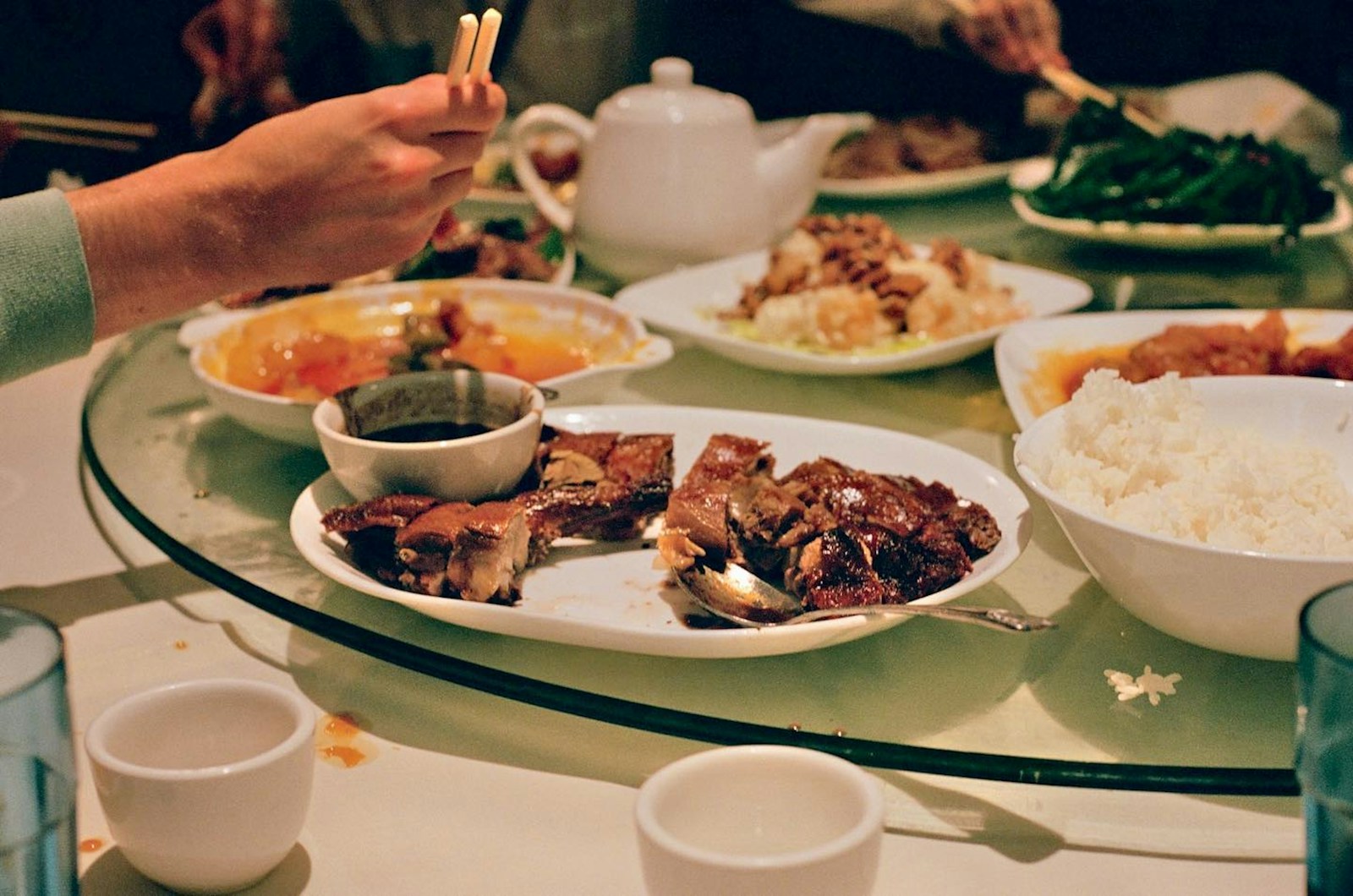
Understanding table manners can significantly impact social interactions, and recognizing the signs of poor etiquette can help individuals navigate dining experiences more smoothly. Whether at a formal event or a casual gathering, the way someone behaves at the table can leave a lasting impression on others. This article highlights six subtle clues that may indicate someone lacks basic table manners, allowing you to approach these situations with awareness and empathy.
1. Lack of Utensil Use
One of the most noticeable signs of poor table manners is the failure to use utensils correctly, or at all. Individuals who eat with their hands, particularly in situations where utensils are expected, may draw attention to themselves and disrupt the dining experience. This behavior can be particularly off-putting in formal settings where etiquette is valued and can cause discomfort for those seated at the table.
Furthermore, neglecting to use the right utensils for specific courses can signal a lack of understanding about dining etiquette. For example, using a soup spoon for dessert or a salad fork for the main course can leave a negative impression on fellow diners.
2. Loud Chewing and Talking with Food in the Mouth
Dining with someone who chews loudly or talks with food in their mouth can be distracting and unpleasant for others at the table. These behaviors not only demonstrate a disregard for the comfort of fellow diners but also reflect a lack of awareness about basic social etiquette. This can make meal sharing uncomfortable, particularly in settings where conversation is key.
In addition, these habits can lead to misunderstandings and make it difficult for others to engage in a pleasant conversation. Recognizing these signs can help you gauge someone’s level of table manners and adjust your own expectations accordingly.
3. Inappropriate Use of Phone at the Table
In today’s digital age, the presence of a mobile phone at the dining table can be a significant indicator of someone’s table manners. Frequent texting, scrolling, or taking phone calls during a meal can come off as disrespectful and disengaged from the dining experience. This behavior not only distracts the individual but also affects the flow of conversation and interaction among diners.
When someone prioritizes their phone over the meal and the people they are dining with, it signals a disregard for the social norms of shared meals. Observing how a person interacts with their phone during a meal can provide insight into their level of respect for the dining experience.
4. Poor Napkin Etiquette
The use of a napkin is a subtle yet telling aspect of table manners. Individuals who neglect to place their napkin on their lap or wipe their hands and mouth properly may indicate a lack of awareness about dining etiquette. Additionally, using the napkin to wipe the face excessively or mishandling it can demonstrate a disregard for personal grooming at the table.
In formal dining situations, a napkin is not just a tool for cleanliness but also a symbol of respect for the meal and the host. Observing how someone uses their napkin can offer clues about their familiarity with dining customs and their consideration for others at the table.
5. Interrupting Others While Eating
Interrupting others or speaking over them during a meal is another behavior that can indicate poor table manners. This lack of consideration disrupts the flow of conversation and can lead to feelings of frustration among diners. It demonstrates a lack of respect for the social dynamics of shared meals, where giving others the opportunity to speak is essential to fostering a positive atmosphere.
When someone frequently interrupts or fails to acknowledge others while dining, it may suggest a broader disregard for social cues and etiquette. This behavior can affect not only the immediate dining experience but also the overall relationship between diners.
6. Disregarding Personal Space and Table Setting
Finally, a clear sign of poor table manners is a lack of respect for personal space and the arrangement of the table setting. Individuals who reach across others’ plates or make an effort to grab food without regard for their neighbors can create an uncomfortable dining environment. This behavior not only disrupts the meal but can also lead to accidental spills and messes, further detracting from the experience.
Additionally, failing to understand the basic setup of a dining table—such as using the correct plates and glasses—can indicate a lack of awareness about dining etiquette. This behavior can affect how others perceive the individual, particularly in formal or professional settings where table manners matter significantly.

As a mom of three busy boys, I know how chaotic life can get — but I’ve learned that it’s possible to create a beautiful, cozy home even with kids running around. That’s why I started Cultivated Comfort — to share practical tips, simple systems, and a little encouragement for parents like me who want to make their home feel warm, inviting, and effortlessly stylish. Whether it’s managing toy chaos, streamlining everyday routines, or finding little moments of calm, I’m here to help you simplify your space and create a sense of comfort.
But home is just part of the story. I’m also passionate about seeing the world and creating beautiful meals to share with the people I love. Through Cultivated Comfort, I share my journey of balancing motherhood with building a home that feels rich and peaceful — and finding joy in exploring new places and flavors along the way.