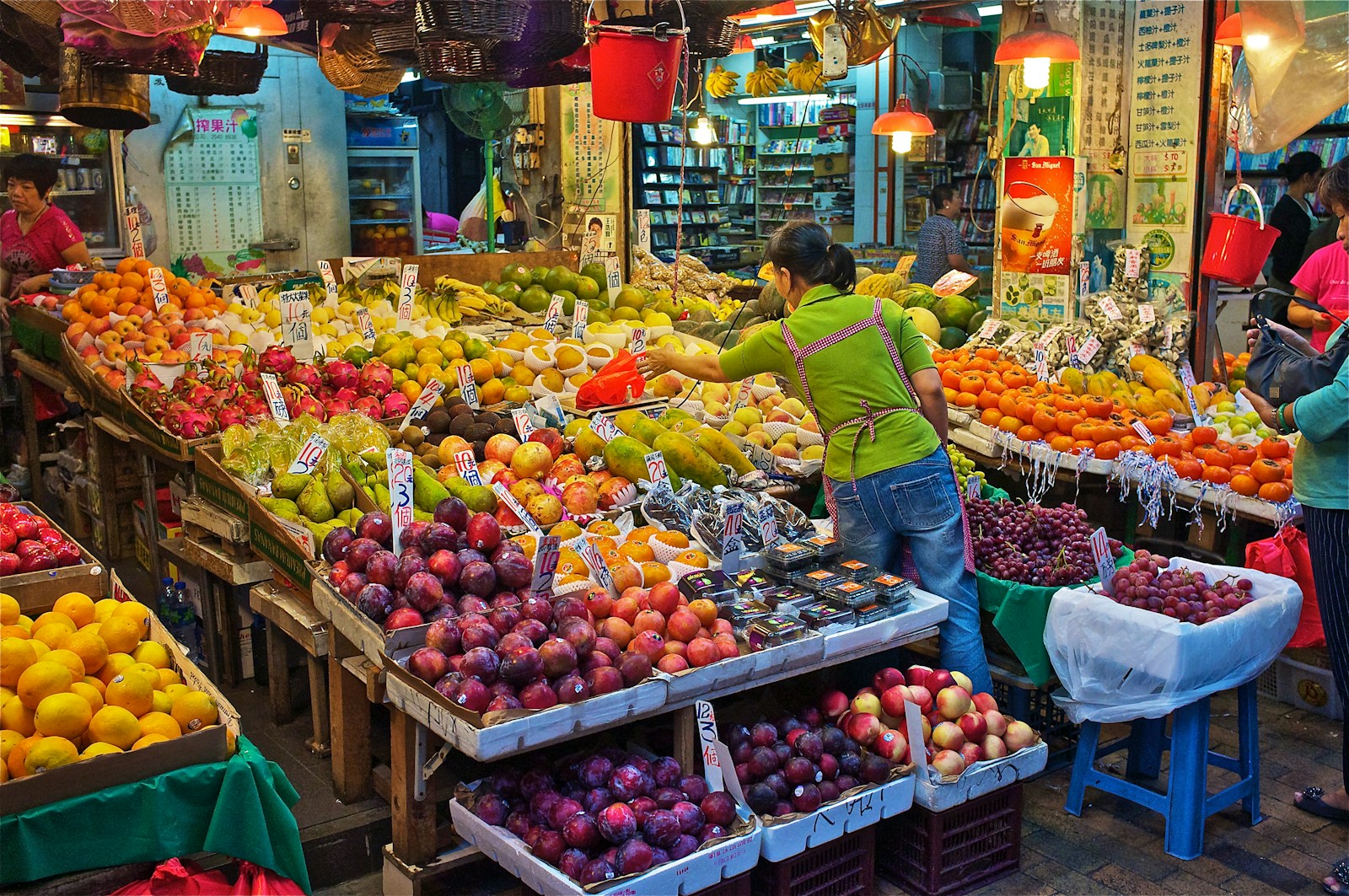
Many consumers are noticing a decline in the taste of grocery store staples, raising concerns about food quality and manufacturing practices. From fruits and vegetables to processed snacks, the shift in flavor impacts everyone, especially those who rely on these products for daily nutrition. Understanding the reasons behind these changes can help shoppers make informed choices and advocate for better food standards.
1. Tomatoes
Once celebrated for their juicy sweetness and rich flavor, tomatoes have increasingly suffered from a decline in taste over the years. Many grocery store varieties are now bred for durability and shelf-life rather than flavor, resulting in a product that lacks the robust taste of heirloom varieties. Home gardeners and local farmers’ markets frequently offer tastier alternatives, highlighting the difference that growing conditions and plant genetics can make.
2. Apples
Apples have long been a favorite snack, but many popular supermarket varieties today are considerably less flavorful than those of the past. Modern apple breeding often prioritizes crisp texture and long shelf-life, leading to a decrease in taste. Heritage varieties, such as the McIntosh or Winesap, are still available at specialty stores, reminding consumers of the diverse flavors that apples can offer.
3. Chicken
The taste of chicken has also evolved, with many consumers expressing disappointment over the blandness of mass-produced poultry. Factory-farmed chickens are often raised in controlled environments with a diet that lacks the nutrients that contribute to flavorful meat. In contrast, pasture-raised or organic chickens, which are allowed to roam and forage, typically have a richer flavor profile, emphasizing the impact of farming practices on taste.
4. Ice Cream
Ice cream lovers have noticed that their favorite frozen treats often lack the creamy richness they once enjoyed. Many commercial brands have changed their recipes to reduce fat content and lower production costs, which can compromise flavor and texture. As consumers become more health-conscious, the demand for lower-calorie options has led some manufacturers to sacrifice the indulgent experience that ice cream should provide.
5. Bread
The bread aisle has seen a significant transformation, with many mass-produced loaves lacking the flavor and texture of traditional artisanal breads. The rise of convenience and longer shelf-life has led to the use of preservatives and additives, making many store-bought breads taste bland and spongy. Artisan bakeries and local bakeries are thriving as consumers seek out fresh, flavorful bread made from simple ingredients, reminiscent of the bread their grandparents used to enjoy.
6. Bananas
Bananas, a staple fruit for many households, have also succumbed to changes that affect their taste. The most common variety found in grocery stores, the Cavendish banana, has been selectively bred for uniformity and shipability, resulting in a less complex flavor profile. Critics argue that this focus on production efficiency has led to a loss of the unique taste and texture that other banana varieties, such as the Red Dacca, offer, which can be found at specialty markets.
7. Yogurt
Yogurt has shifted from a rich, creamy snack to a more tart and sometimes overly sweetened product in many grocery stores. Many brands have introduced artificial flavors and added sugars to appeal to consumers looking for quick breakfast options. However, this has resulted in a loss of the natural taste that full-fat, plain yogurt offers, prompting a growing interest in traditional, small-batch yogurt makers who prioritize quality and authentic flavor.
Conclusion
The declining taste of these grocery store foods highlights a larger issue within the food industry, where convenience and shelf-life often take precedence over flavor and nutrition. Consumers are encouraged to explore local markets, specialty stores, or even grow their own produce to rediscover the vibrant flavors that many foods once held. By advocating for better food standards and supporting sustainable practices, shoppers can play a vital role in preserving the quality of their groceries for future generations.

As a mom of three busy boys, I know how chaotic life can get — but I’ve learned that it’s possible to create a beautiful, cozy home even with kids running around. That’s why I started Cultivated Comfort — to share practical tips, simple systems, and a little encouragement for parents like me who want to make their home feel warm, inviting, and effortlessly stylish. Whether it’s managing toy chaos, streamlining everyday routines, or finding little moments of calm, I’m here to help you simplify your space and create a sense of comfort.
But home is just part of the story. I’m also passionate about seeing the world and creating beautiful meals to share with the people I love. Through Cultivated Comfort, I share my journey of balancing motherhood with building a home that feels rich and peaceful — and finding joy in exploring new places and flavors along the way.