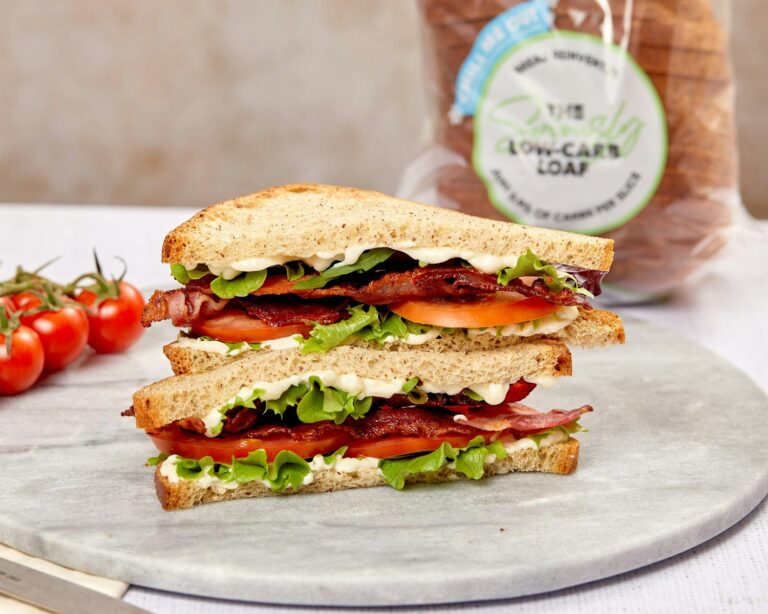
Recent health studies and consumer reports have highlighted seven grocery store items that many shoppers should reconsider purchasing due to health risks, environmental concerns, and misleading marketing practices. These findings affect a wide range of consumers who may unknowingly be making less informed choices at the supermarket. Recognizing these items can lead to healthier living and more sustainable shopping habits.
1. Processed Meats
Processed meats, such as hot dogs, bacon, and deli meats, have been linked to a higher risk of chronic diseases, including heart disease and certain cancers. The World Health Organization has classified these products as Group 1 carcinogens, meaning there is sufficient evidence that they can cause cancer in humans. Furthermore, many processed meats are high in sodium and preservatives, which can contribute to other health issues like hypertension and obesity.
2. Sugary Breakfast Cereals
Many breakfast cereals marketed to children and adults alike are loaded with sugar, often containing more than 20 grams per serving. This high sugar content can lead to weight gain, increased risk of diabetes, and dental problems. Instead of reaching for these sugary options, consider whole grain or unsweetened alternatives that provide more fiber and nutrients without the added sugar.
3. Low-Fat and Fat-Free Products
While low-fat and fat-free products may seem like healthier choices, they often contain added sugars and artificial ingredients to enhance flavor. Many consumers mistakenly believe that removing fat automatically makes a product healthier. In reality, healthy fats are essential for a balanced diet, and the absence of fat can lead to overeating due to a lack of satiety. Opt for whole-food versions with healthy fats instead.
4. Non-Organic Produce
Conventional fruits and vegetables are often treated with pesticides and herbicides that can linger on produce and pose health risks when ingested. The Environmental Working Group (EWG) regularly publishes a list of the “Dirty Dozen,” which highlights produce items with the highest pesticide residues. Choosing organic options for these items can reduce your exposure to harmful chemicals and promote more sustainable farming practices.
5. Pre-Packaged Snack Foods
Many pre-packaged snack foods, such as chips, cookies, and microwaveable meals, are high in trans fats, added sugars, and preservatives. These ingredients can contribute to various health problems, including obesity, heart disease, and digestive issues. Instead of reaching for these convenient options, consider healthier snacks like nuts, fruit, or homemade alternatives that are both satisfying and nutritious.
6. Energy Drinks
Energy drinks may provide a quick boost of energy, but they often contain high levels of caffeine, sugar, and other stimulants that can lead to negative health effects. These drinks have been linked to increased heart rates, anxiety, and even heart attacks in some cases. For a healthier alternative, consider drinking water, herbal teas, or natural fruit juices that provide hydration without the harmful side effects.
7. Bottled Salad Dressings
Bottled salad dressings are often loaded with added sugars, preservatives, and unhealthy fats, making them less healthy than homemade alternatives. Many dressings are marketed as healthy but contain hidden ingredients that undermine their nutritional value. Making your own salad dressing using simple ingredients like olive oil, vinegar, and herbs can enhance your meal without the extra calories and additives.
Conclusion
Being mindful of what you buy at the grocery store can have a significant impact on your health and well-being. By avoiding these seven items, consumers can make more informed and healthier choices that promote better nutrition and sustainability. Taking the time to read labels, opt for whole foods, and choose organic options when possible can lead to a healthier lifestyle and a happier planet.

As a mom of three busy boys, I know how chaotic life can get — but I’ve learned that it’s possible to create a beautiful, cozy home even with kids running around. That’s why I started Cultivated Comfort — to share practical tips, simple systems, and a little encouragement for parents like me who want to make their home feel warm, inviting, and effortlessly stylish. Whether it’s managing toy chaos, streamlining everyday routines, or finding little moments of calm, I’m here to help you simplify your space and create a sense of comfort.
But home is just part of the story. I’m also passionate about seeing the world and creating beautiful meals to share with the people I love. Through Cultivated Comfort, I share my journey of balancing motherhood with building a home that feels rich and peaceful — and finding joy in exploring new places and flavors along the way.