

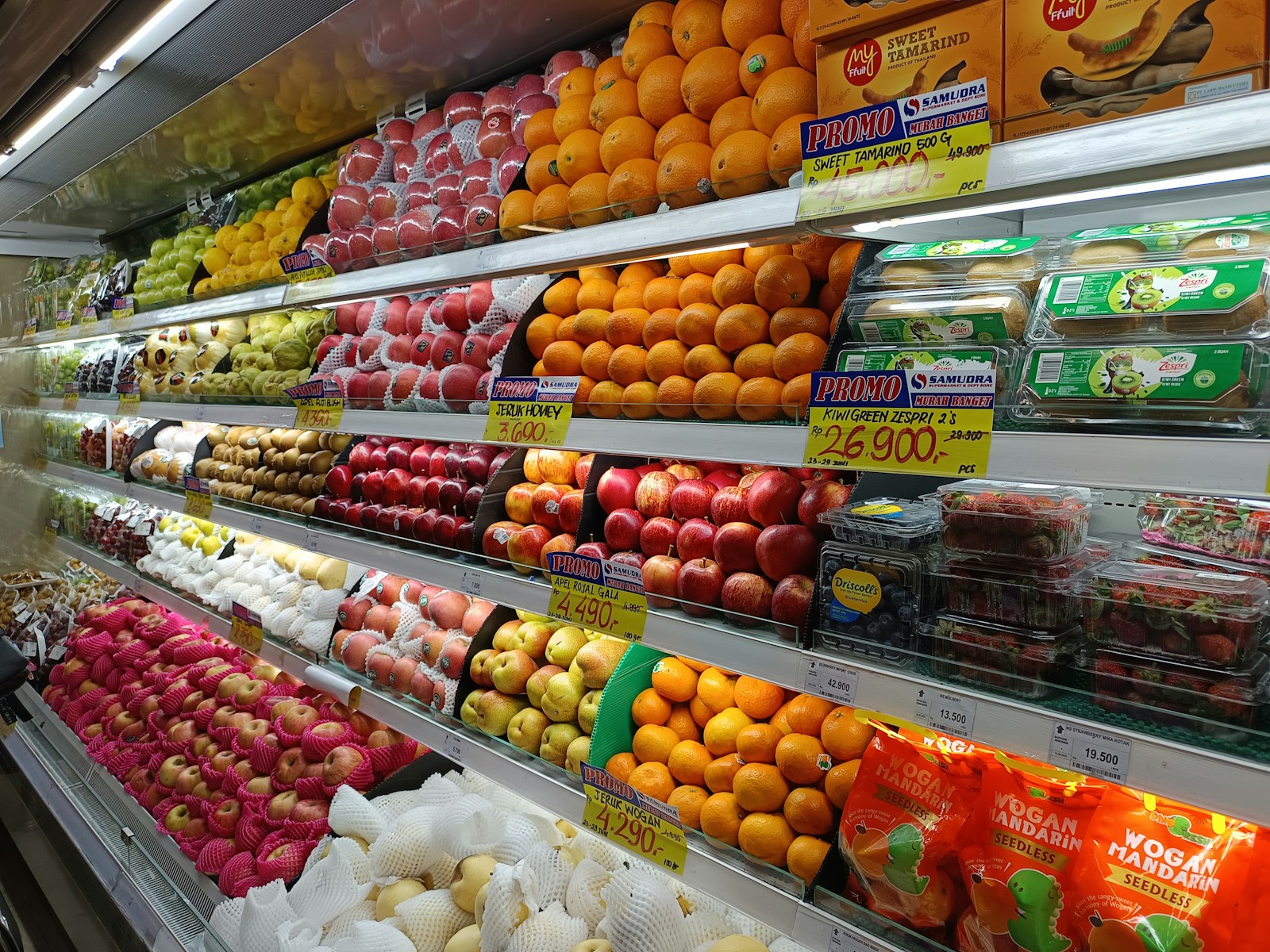
As inflation continues to affect the cost of living across the United States, many consumers have noticed a significant increase in grocery prices at stores that were once considered affordable. This trend is alarming for families and individuals trying to manage their monthly budgets, as the rising costs have made it increasingly difficult to put healthy meals on the table. In this article, we examine seven grocery store chains that have experienced drastic price increases, impacting shoppers nationwide.
1. Walmart
Walmart has long been touted as a budget-friendly shopping option for groceries, offering low prices that appealed to a wide demographic. However, recent reports indicate that many consumers are feeling the pinch as prices on staple items have risen sharply over the past year. Items like produce, dairy, and meats have become noticeably more expensive, leaving shoppers questioning whether they can still rely on Walmart for their grocery needs.
2. Kroger
Kroger has been a staple in many communities, known for its competitive pricing and extensive selection. However, many shoppers have reported that their weekly grocery bills have spiked, with prices on everyday items climbing significantly. The increase in costs is particularly concerning for those who depend on Kroger as their primary grocery source, as they must now reconsider their shopping habits to stay within budget.
3. Safeway
Once viewed as a reliable option for affordable groceries, Safeway has seen a noticeable jump in prices, especially in urban areas where the cost of living is already high. Shoppers are now paying more for basic items, which has led to frustration and disappointment among loyal customers. The sudden shift in pricing has many questioning whether they should seek alternatives for their grocery shopping.
4. Albertsons
Albertsons has traditionally positioned itself as a value-driven grocery store, but recent price hikes have changed that perception. Many shoppers are now encountering higher costs for products they once considered budget-friendly. As a result, families are exploring other grocery options, leaving Albertsons to navigate the consequences of its pricing strategy.
5. Whole Foods Market
Whole Foods Market has long been associated with higher-end, organic products, but even this chain has seen a rise in prices that has caught some customers off guard. Although it was never the cheapest option, the increases have made it less accessible for those seeking healthier food options. For many, the dream of shopping at Whole Foods without breaking the bank is becoming increasingly elusive.
6. Target
Target has successfully expanded its grocery section, attracting shoppers with the promise of affordability. However, customers have recently reported that food prices at Target have surged, making it harder to shop for groceries on a budget. This shift in pricing has raised concerns among shoppers who once relied on Target as a convenient and economical choice for their grocery needs.
7. Aldi
Aldi was initially celebrated for its no-frills approach and low prices, providing a budget-friendly alternative to larger grocery chains. However, recent reports indicate that even Aldi is not immune to the inflationary pressures affecting the grocery industry. Shoppers are now finding that some of their favorite items have become more expensive, raising questions about the store’s ability to maintain its status as a low-cost leader.
Conclusion
The rising prices at these grocery chains highlight a broader trend impacting consumers across the country. As families struggle to keep up with the escalating costs of essential items, many are forced to rethink their shopping strategies. Whether it’s opting for discount stores, buying in bulk, or turning to local farmers’ markets, shoppers are adapting to the new economic landscape in search of better deals.
This shift not only affects individual consumers but also has ramifications for the grocery industry as a whole. As price sensitivity increases, grocery chains may need to reevaluate their pricing strategies and find ways to regain customer trust. For now, shoppers are left navigating a challenging market as they seek the best value for their grocery dollars.

As a mom of three busy boys, I know how chaotic life can get — but I’ve learned that it’s possible to create a beautiful, cozy home even with kids running around. That’s why I started Cultivated Comfort — to share practical tips, simple systems, and a little encouragement for parents like me who want to make their home feel warm, inviting, and effortlessly stylish. Whether it’s managing toy chaos, streamlining everyday routines, or finding little moments of calm, I’m here to help you simplify your space and create a sense of comfort.
But home is just part of the story. I’m also passionate about seeing the world and creating beautiful meals to share with the people I love. Through Cultivated Comfort, I share my journey of balancing motherhood with building a home that feels rich and peaceful — and finding joy in exploring new places and flavors along the way.