As inflation continues to impact the economy, diners across the nation are noticing a troubling trend: many restaurant dishes are not only shrinking in portion size but also increasing in price. This phenomenon affects customers who are seeking value for their dining experiences, raising concerns about the evolving landscape of the restaurant industry.
1. Burgers: Less Meat, More Money
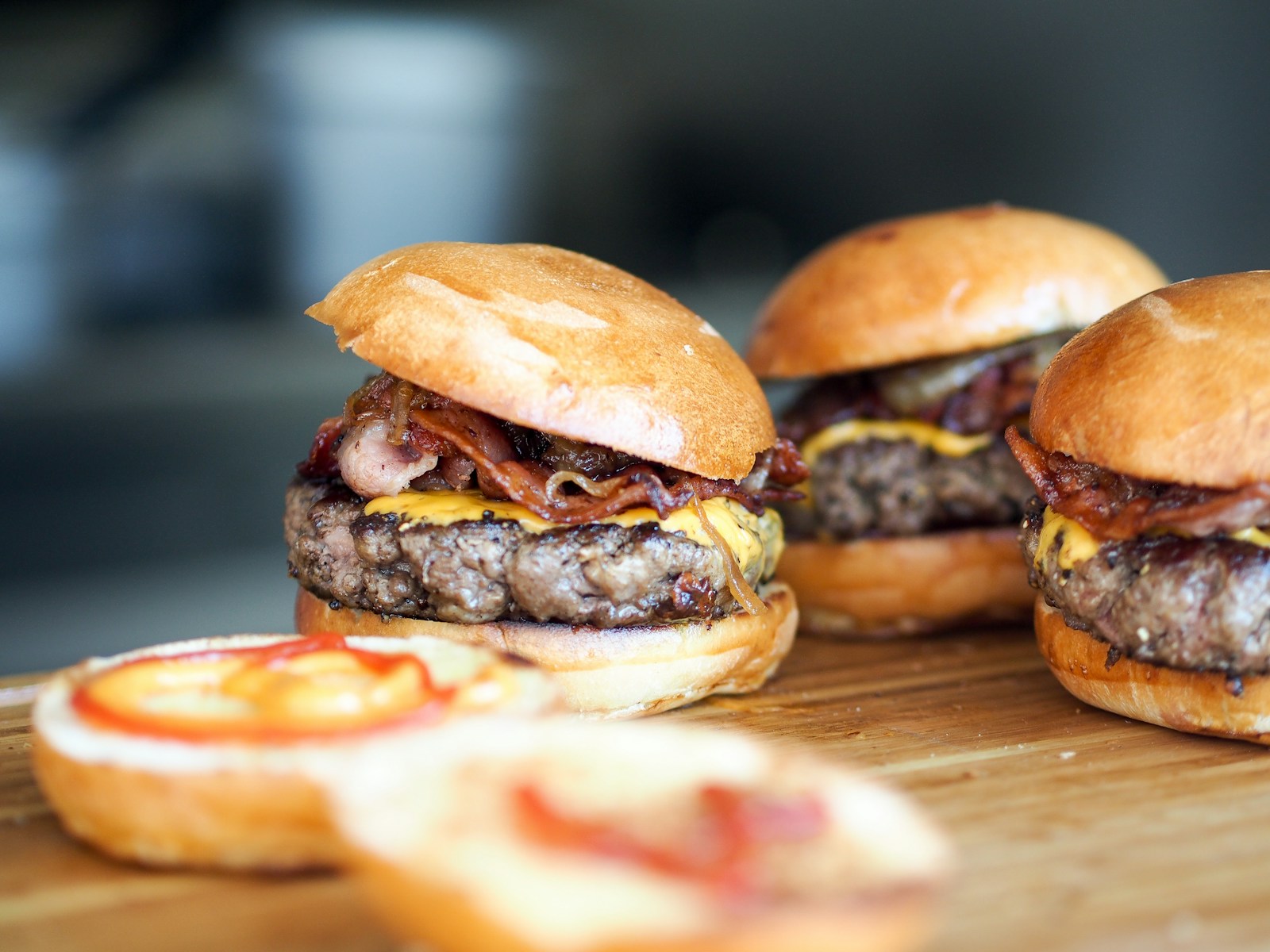
Once a staple of American cuisine, burgers have seen noticeable changes in size and pricing. Many upscale restaurants are reducing burger patties from eight ounces to six ounces, while simultaneously raising prices by as much as 20%. With the average gourmet burger now costing over $15, patrons are left questioning whether they’re getting their money’s worth.
2. Pasta Plates: Smaller Servings, Higher Costs
Pasta dishes, particularly those served at Italian restaurants, have also shrunk in size. Traditional servings that once filled large bowls are becoming smaller, with some restaurants offering portions that resemble appetizers rather than entrées. The price for these minimalist servings often remains unchanged, leaving diners dissatisfied and hungry for more.
3. Salads: Shrinking Greens for a Hefty Price
Salads, once seen as a generous option for health-conscious diners, are now subject to downsizing. Many restaurants are cutting back on the quantity of greens and toppings, while prices have surged. A salad that used to be a filling meal is now frequently priced over $12, prompting customers to reconsider their choices.
4. Tacos: Fewer Fillings, Higher Prices
Tacos have long been celebrated for their affordability and generous fillings. However, recent trends show that many establishments are offering fewer fillings per taco, with prices climbing to $5 or more for a single taco. Diners accustomed to enjoying multiple tacos for a reasonable price are now finding themselves paying more for less.
5. Pizza: Thin Crusts and Thinner Portions
Pizza lovers are also feeling the pinch as many pizzerias are cutting back on the number of slices per pie. What used to be a standard eight-slice pizza is now often served as six slices, even as the price climbs. With average prices nearing $20 for a large pizza, customers are left wondering if they should order extra pies to satisfy their cravings.
6. Seafood Dishes: Less Fish, More Cost
Seafood dishes, typically considered a premium dining option, are experiencing similar changes. Many restaurants are reducing the portion sizes of fish fillets and shellfish, while charges for these dishes have skyrocketed. Diners now face the reality of paying upwards of $30 for a seafood entrée that leaves them wanting more.
7. Desserts: Sweet Treats with a Smaller Price Tag
Desserts, once the perfect ending to a meal, are also not immune to the trend of downsizing. Many restaurants are serving smaller portions of cakes, pies, and other sweet treats, yet prices have not reflected this change. Diners find themselves paying a premium for a dessert that barely satisfies their sweet tooth, sparking frustration among those who indulge in after-dinner delights.
8. Coffee: Smaller Cups for Higher Prices
Coffee, a daily ritual for many, has also seen portion sizes decrease. In some establishments, the standard coffee cup has been downsized from 12 ounces to 8 ounces, with prices remaining higher than ever. Customers now pay more for less caffeine, which could affect their daily routines and choices about where to grab their morning brew.
Why This Matters
The trend of smaller portions and higher prices raises significant concerns about value and customer satisfaction in the restaurant sector. As inflation continues to affect the economy, many diners are expressing dissatisfaction with these changes. This shift not only affects individual dining experiences but may also influence broader consumer behavior, driving patrons to seek more affordable options or rethink their dining habits altogether.
Looking Ahead
As restaurants navigate these challenging economic times, patrons are encouraged to voice their concerns and share feedback. While some establishments may be forced to make difficult decisions regarding portion sizes and pricing, customer input can help them understand the importance of providing value and satisfaction. The dining landscape is continually evolving, and understanding these changes can help consumers make informed choices about where and what to eat.

As a mom of three busy boys, I know how chaotic life can get — but I’ve learned that it’s possible to create a beautiful, cozy home even with kids running around. That’s why I started Cultivated Comfort — to share practical tips, simple systems, and a little encouragement for parents like me who want to make their home feel warm, inviting, and effortlessly stylish. Whether it’s managing toy chaos, streamlining everyday routines, or finding little moments of calm, I’m here to help you simplify your space and create a sense of comfort.
But home is just part of the story. I’m also passionate about seeing the world and creating beautiful meals to share with the people I love. Through Cultivated Comfort, I share my journey of balancing motherhood with building a home that feels rich and peaceful — and finding joy in exploring new places and flavors along the way.