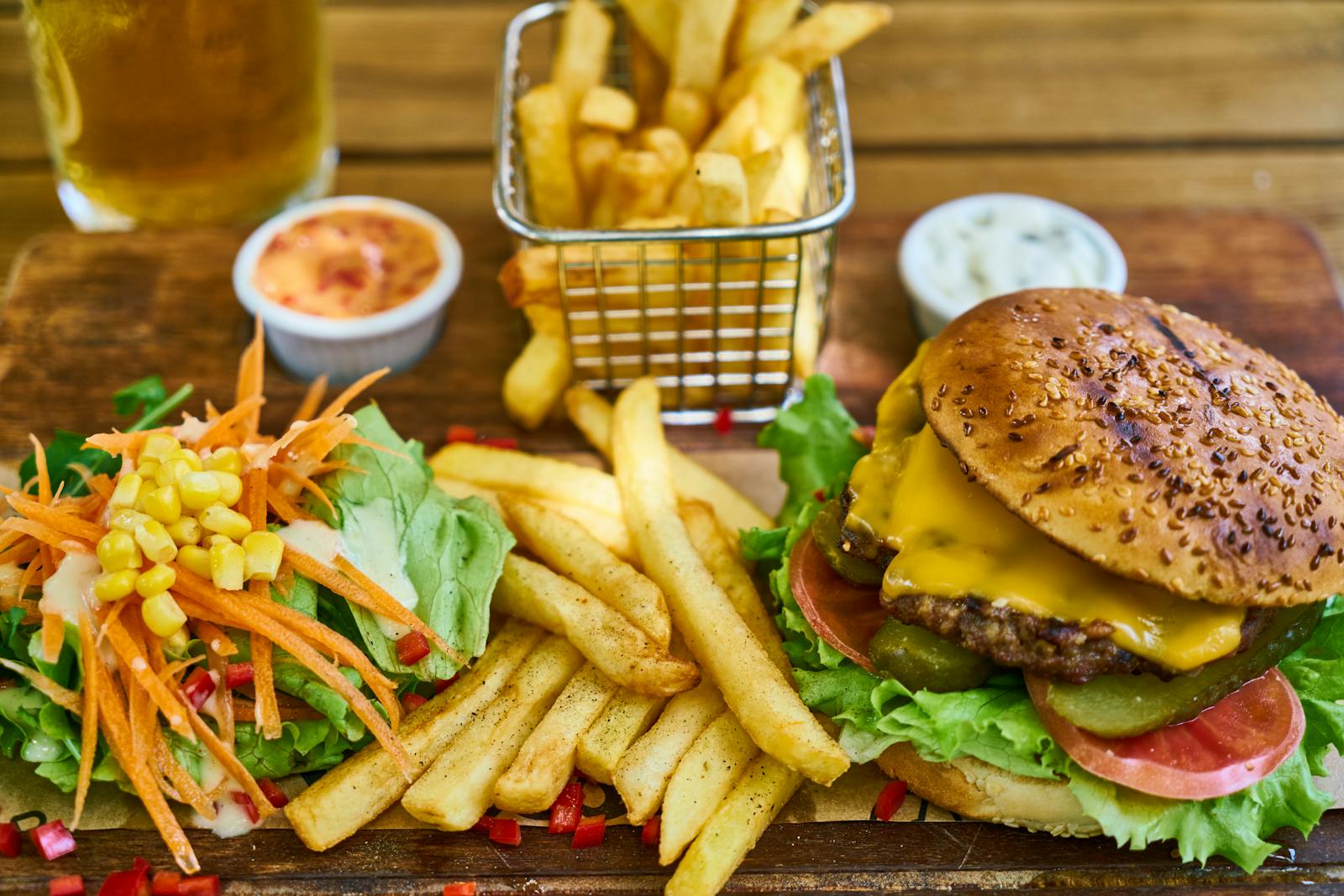
Recent studies have shown that a growing number of individuals are opting out of fast food consumption, reflecting a broader shift in dietary habits and lifestyle choices. This trend affects various demographics and raises questions about nutrition, health consciousness, and social influences. Understanding the motivations behind this refusal can reveal significant insights into personal values and health priorities.
1. Health Consciousness
One of the primary reasons people choose to avoid fast food is a heightened awareness of health and nutrition. Many individuals are increasingly informed about the negative impacts of processed foods, including obesity, diabetes, and heart disease. This growing health consciousness often translates into a preference for whole foods and balanced diets, which are perceived as better for overall well-being.
2. Environmental Concerns
Another significant factor influencing the decision to reject fast food is concern for the environment. Fast food chains are often criticized for their unsustainable sourcing practices, excessive packaging, and contribution to waste. Those who choose to eschew fast food frequently support local, organic farms or plant-based diets, aligning their eating habits with their environmental values.
3. Ethical Considerations
Ethics play a vital role in many people’s dietary choices. With increasing awareness of animal welfare issues, some individuals refuse to eat fast food due to concerns about how animals are treated in factory farming. This ethical standpoint often leads to a preference for vegetarian or vegan options, as well as a commitment to supporting businesses that prioritize humane treatment of animals.
4. Cultural Influences
Cultural background significantly affects dietary choices, and those who refuse fast food may be influenced by their upbringing or cultural norms. Many cultures emphasize traditional cooking practices and family meals, which often do not include fast food. This cultural connection to food can foster a preference for home-cooked meals and fresh ingredients, reinforcing a rejection of fast food options.
5. Financial Considerations
Interestingly, some individuals who avoid fast food do so from a financial perspective. While fast food is often marketed as a budget-friendly option, many people recognize that preparing meals at home can be more economical in the long run. By investing time in cooking, individuals can save money and make healthier choices, leading them to forgo fast food altogether.
6. Taste Preferences
Taste is a fundamental factor in food choices, and many people simply prefer the flavors of homemade or fresh foods over fast food. As individuals become more discerning about their palate, they may find that fast food does not meet their taste expectations. This preference can lead to a rejection of fast food in favor of meals that are more satisfying and flavorful.
7. Influence of Social Media and Trends
The rise of social media has significantly influenced dietary trends, with many individuals aspiring to showcase healthy lifestyles online. Influencers often promote organic, whole food diets, encouraging followers to avoid fast food. This social pressure can play a crucial role in shaping dietary choices, leading many to adopt healthier eating habits in pursuit of a desirable image.
8. Personal Experiences
Lastly, personal experiences can heavily influence dietary choices. Individuals who may have had negative experiences with fast food, such as foodborne illnesses or dissatisfaction with service, may develop an aversion to these establishments. These experiences can create lasting impressions, leading to a conscious effort to avoid fast food in the future.
Conclusion
As the trend of avoiding fast food continues to grow, it becomes clear that this choice reflects a variety of personal values and motivations. From health consciousness and environmental concerns to ethical beliefs and cultural influences, the reasons behind this refusal are as diverse as the individuals themselves. Understanding these factors can help illuminate the complexities of dietary choices in today’s society, as more people seek to align their eating habits with their values and priorities.
With the fast food industry evolving in response to shifting consumer preferences, it remains crucial for individuals to stay informed about their choices. Whether motivated by health, ethics, or personal experiences, those who refuse to eat fast food are making significant statements about their lifestyles and the world around them.

As a mom of three busy boys, I know how chaotic life can get — but I’ve learned that it’s possible to create a beautiful, cozy home even with kids running around. That’s why I started Cultivated Comfort — to share practical tips, simple systems, and a little encouragement for parents like me who want to make their home feel warm, inviting, and effortlessly stylish. Whether it’s managing toy chaos, streamlining everyday routines, or finding little moments of calm, I’m here to help you simplify your space and create a sense of comfort.
But home is just part of the story. I’m also passionate about seeing the world and creating beautiful meals to share with the people I love. Through Cultivated Comfort, I share my journey of balancing motherhood with building a home that feels rich and peaceful — and finding joy in exploring new places and flavors along the way.