Once considered delicacies or seasonal treats, several foods have lost their prestigious status due to overproduction, leading to decreased quality and consumer disillusionment. This shift not only impacts the culinary landscape but also affects farmers, chefs, and food enthusiasts who value authenticity and craftsmanship in their meals. Here are seven foods that exemplify this trend, showcasing how abundance can sometimes dilute the essence of what makes them special.
1. Truffles
Truffles have long been regarded as a luxurious ingredient, often fetching exorbitant prices at gourmet markets and fine dining establishments. Traditionally, these fungi are foraged in specific regions of Europe, making them rare and highly sought after. However, with the rise of truffle farms and increased production, the market has become saturated, leading to an influx of lower-quality truffles that lack the intense flavor and aroma of their wild counterparts.
2. Saffron
Saffron, known as the most expensive spice in the world, is derived from the flower of Crocus sativus and has been cherished for its unique flavor and vibrant color. Originally, saffron was harvested by hand, making it a labor-intensive and rare commodity. In recent years, however, the spice has seen a surge in production, particularly from countries like Iran and India, resulting in an oversupply that has led to a decrease in quality and authenticity, undermining its once-prestigious reputation.
3. Avocados
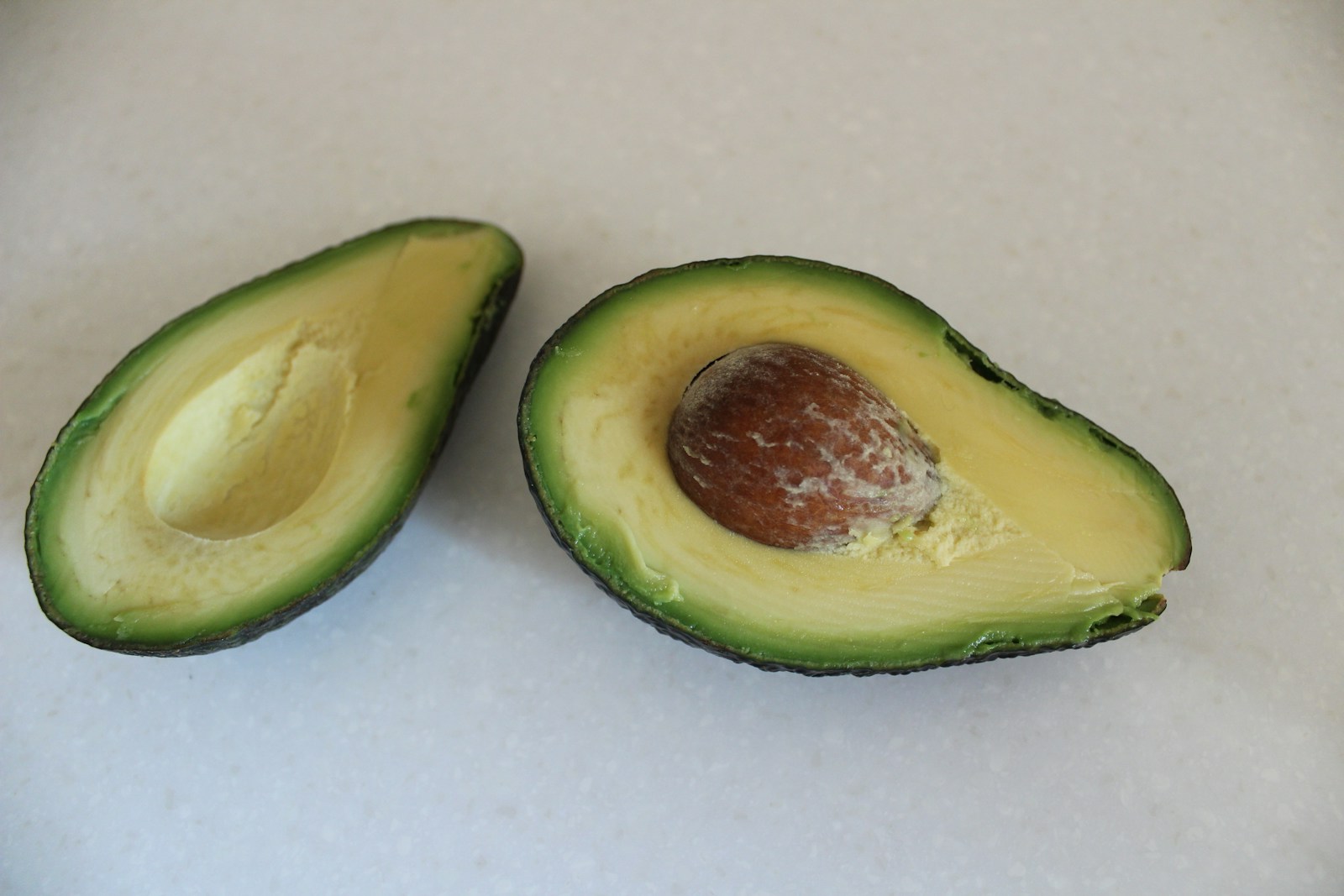
Once a niche ingredient primarily used in upscale dishes, avocados have exploded in popularity over the past decade, becoming a staple in many households. The rising demand has prompted extensive farming practices, particularly in Mexico, where avocado orchards have expanded dramatically. While this has made avocados more accessible, it has raised concerns about sustainability and environmental impacts, as well as the potential for lower quality due to mass production techniques.
4. Lobster
Lobster was once considered a poor man’s food, typically consumed by the working class in coastal regions. Over time, it transformed into a symbol of luxury dining, with prices skyrocketing at seafood restaurants. However, due to advancements in fishing technology and aquaculture, lobster has become more widely available, leading to a decline in its exclusivity and a perception of it being less special than before.
5. Organic Produce
Organic produce was initially celebrated for its health benefits and ethical farming practices. As consumer demand for organic products surged, many large-scale farms began to label their products as organic, even while employing conventional farming techniques. This proliferation of organic options has led to skepticism among consumers, who now question the authenticity and quality of organic labels, diluting the prestige of truly organic offerings.
6. Craft Beer
The craft beer movement began as a response to the homogenization of beer produced by large corporations, emphasizing unique flavors and local brewing methods. However, as the craft beer market has exploded, with thousands of breweries emerging, many beers have become overly produced. This has led to a saturation of the market, making it challenging for consumers to discern genuine craftsmanship from mass-produced brews that prioritize quantity over quality.
7. Specialty Coffee
Specialty coffee was once a niche market, focusing on high-quality beans sourced from specific regions and roasted with care to highlight unique flavor profiles. The rise of coffee culture has led to a boom in specialty coffee shops and brands, drastically increasing supply. While this has made specialty coffee more accessible, it has also resulted in a dilution of quality, as the emphasis on production speed often overshadows the craftsmanship that defines truly exceptional coffee.
Conclusion
The overproduction of these seven foods serves as a reminder of the delicate balance between supply and demand in the culinary world. While increased availability can make beloved ingredients more accessible, it often comes at the cost of quality and authenticity. As consumers become more aware of these changes, there is an opportunity for a renewed appreciation for the craftsmanship and tradition behind the foods we love. Ultimately, returning to a focus on quality over quantity may help restore the special status of these once-cherished ingredients.

As a mom of three busy boys, I know how chaotic life can get — but I’ve learned that it’s possible to create a beautiful, cozy home even with kids running around. That’s why I started Cultivated Comfort — to share practical tips, simple systems, and a little encouragement for parents like me who want to make their home feel warm, inviting, and effortlessly stylish. Whether it’s managing toy chaos, streamlining everyday routines, or finding little moments of calm, I’m here to help you simplify your space and create a sense of comfort.
But home is just part of the story. I’m also passionate about seeing the world and creating beautiful meals to share with the people I love. Through Cultivated Comfort, I share my journey of balancing motherhood with building a home that feels rich and peaceful — and finding joy in exploring new places and flavors along the way.