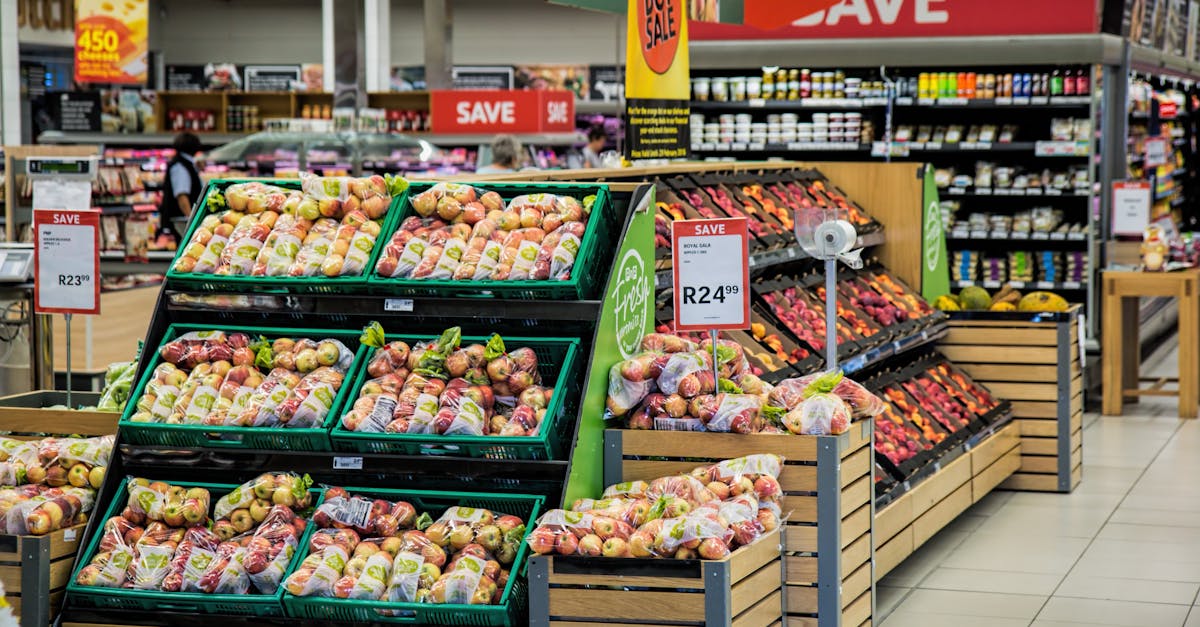
As inflation continues to impact everyday consumers, many shoppers are noticing that their favorite grocery items have not only become more expensive but have also shrunk in size. This phenomenon, often referred to as “shrinkflation,” affects a wide range of products and raises concerns about transparency and consumer trust in the food industry. Here, we examine six common grocery items that have seen significant price increases alongside a decrease in quantity, impacting household budgets across the nation.
1. Cereal
Cereal is a breakfast staple for many families, but recent changes have left consumers feeling shortchanged. Popular brands have reduced the size of their boxes from 18 ounces to 14 ounces, while simultaneously raising prices from around $4.50 to $7.00. This nearly 55% price increase for less product has left shoppers questioning whether they are getting their money’s worth, particularly when cereal consumption has remained steady in many households.
2. Ice Cream
Ice cream is a beloved treat, especially during the warmer months, but many consumers have noticed a troubling trend. Leading brands have reduced their containers from 64 ounces to just 48 ounces, while prices have climbed from approximately $5.00 to $9.00. This 80% price hike for a significantly smaller amount has raised eyebrows, prompting some ice cream enthusiasts to seek out alternative brands or store-brand options that offer better value.
3. Snack Chips
Snack chips are a go-to choice for parties and casual gatherings, but recent changes have struck a sour note for many consumers. Major chip brands have downsized their bags from 10 ounces to 8.5 ounces, with prices skyrocketing from around $3.00 to $5.50. This 83% increase in price for less product has left many fans of crunchy snacks feeling frustrated, particularly when larger gatherings typically increase demand for snacks.
4. Coffee
Coffee lovers are also feeling the pinch as prices for their daily brew have surged. Popular coffee brands have reduced their standard bag size from 12 ounces to 10.5 ounces, with prices jumping from about $7.00 to $12.00. This 71% price increase on a smaller quantity has led some consumers to seek out local roasters or alternative brewing methods to maintain their caffeine fix without breaking the bank.
5. Toilet Paper
Toilet paper, a household essential, has not been immune to shrinkflation either. Many brands have reduced their rolls from 300 sheets to 250 sheets while raising prices from $6.00 to $10.00 for a pack. This 67% price hike for fewer sheets means that consumers are not only paying more but are also forced to buy more frequently, which can strain budgets, especially for larger families.
6. Laundry Detergent
Laundry detergent is another product that has seen notable shrinkflation. Several brands have decreased their bottle sizes from 64 ounces to 50 ounces, with prices leaping from $12.00 to $18.00. This 50% price increase for less detergent poses challenges for households trying to manage laundry costs, prompting some consumers to explore bulk-buy options or consider switching brands to find better value.
The Impact on Consumers
The trend of shrinkflation has left many consumers feeling frustrated and confused about the value they are receiving for their money. For families trying to stick to tight budgets, these price increases combined with reduced quantities can lead to significant financial strain. Many shoppers report feeling deceived when they realize they are paying more for less, prompting discussions about consumer rights and the need for greater transparency in pricing.
What Consumers Can Do
In light of these changes, consumers are encouraged to remain vigilant while shopping. Comparing prices per ounce or unit can help identify the best deals, and exploring generic or store-brand alternatives may provide better value. Additionally, shoppers are urged to voice their concerns directly to manufacturers and retailers, as consumer feedback can influence pricing and packaging decisions.
Conclusion
As inflation continues to affect grocery prices, the trend of shrinkflation poses a challenge for consumers trying to make ends meet. With essential items becoming smaller while costs rise, it is crucial for shoppers to be informed and proactive in seeking out the best value for their money. By understanding these changes and adapting their shopping habits, consumers can navigate the current economic landscape more effectively.

As a mom of three busy boys, I know how chaotic life can get — but I’ve learned that it’s possible to create a beautiful, cozy home even with kids running around. That’s why I started Cultivated Comfort — to share practical tips, simple systems, and a little encouragement for parents like me who want to make their home feel warm, inviting, and effortlessly stylish. Whether it’s managing toy chaos, streamlining everyday routines, or finding little moments of calm, I’m here to help you simplify your space and create a sense of comfort.
But home is just part of the story. I’m also passionate about seeing the world and creating beautiful meals to share with the people I love. Through Cultivated Comfort, I share my journey of balancing motherhood with building a home that feels rich and peaceful — and finding joy in exploring new places and flavors along the way.