

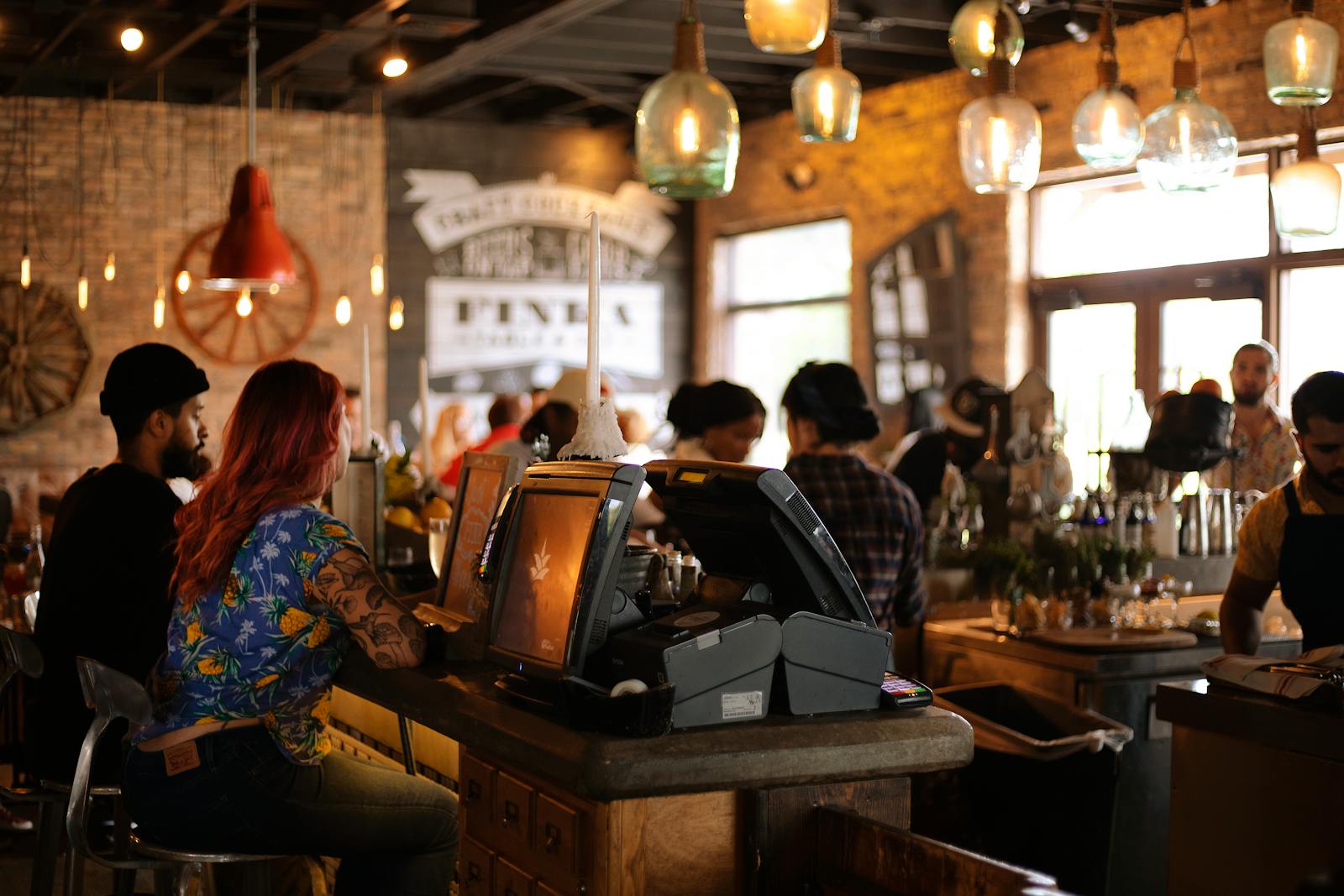
The restaurant industry is witnessing a shift as several well-known chains adopt a “premium” branding strategy, raising questions about the authenticity of their offerings. This phenomenon affects consumers who seek quality dining experiences but may end up with subpar products masked by upscale marketing. As dining habits evolve, understanding which chains are leveraging this approach is crucial for informed consumer choices.
Understanding the Premium Branding Trend
The term “premium” typically denotes high-quality ingredients, exceptional service, and a sophisticated dining environment. In recent years, many fast-casual and fast-food chains have started to label their offerings as premium, hoping to capture the attention of consumers willing to spend more on meals that promise a touch of luxury. However, the reality often falls short of the brand’s lofty claims, prompting discussions about transparency and consumer trust.
Chain #1: Olive Garden
Olive Garden, known for its Italian-American cuisine, has been pushing its “premium” image by introducing new menu items that feature higher-priced ingredients. While the chain markets its “never-ending” pasta bowl and specialty wines as a step up from traditional offerings, many diners have noted that the actual quality does not align with the premium price point. Critics argue that the chain relies heavily on marketing rather than genuine culinary innovation.
Chain #2: Applebee’s
Applebee’s has also joined the premium game, promoting its “handcrafted” cocktails and upscale entrees. The chain’s marketing campaigns often emphasize fresh ingredients and bold flavors, yet many customers report that the actual dining experience feels more like a typical chain restaurant. The disparity between advertised quality and actual product has led to skepticism among loyal patrons.
Chain #3: Chili’s
Chili’s has attempted to redefine its image with a focus on premium burgers and innovative appetizers. While the chain has introduced several new items marketed as gourmet, some customers argue that these offerings still fall short of true premium dining experiences. With a menu that mixes traditional fare with trendy options, the challenge remains for Chili’s to deliver on its premium promises consistently.
Chain #4: Red Lobster
Once celebrated for its seafood, Red Lobster has been trying to elevate its status with new “premium” offerings, including lobster dishes and enhanced dining settings. While the restaurant aims to attract a more upscale clientele, many patrons have voiced concerns about the freshness and quality of the seafood served. The chain’s attempts to position itself as a premium destination may not resonate with diners who remember its more authentic seafood roots.
Chain #5: TGI Fridays
TGI Fridays has made significant strides in marketing itself as a premium casual dining option, notably by refreshing its menu with high-quality steaks and gourmet appetizers. However, some customers feel that the perceived premium experience is overshadowed by inconsistent food quality and service. As TGI Fridays navigates this branding shift, it faces the challenge of meeting customer expectations while maintaining its identity as a casual dining staple.
Chain #6: Panera Bread
Panera Bread has long been associated with fresh salads and baked goods, but its recent push for premium items, such as artisanal sandwiches and specialty drinks, has sparked debate. While the chain promotes its food as wholesome and high-quality, critics argue that its prices do not always reflect a premium experience. As more diners seek transparency in food sourcing and preparation, Panera’s premium branding may come under scrutiny.
The Consumer Impact
For consumers, the rise of these “premium” chains can lead to disappointment when expectations do not align with reality. Diners investing in what they believe to be high-quality meals may find themselves unsatisfied, which can ultimately affect their dining choices and brand loyalty. As consumers become more discerning, they are likely to seek out restaurants that genuinely deliver on their promises of quality and experience.
Conclusion: Navigating the Premium Landscape
The trend of restaurant chains branding themselves as premium raises important questions about marketing ethics and consumer expectations. As these chains continue to market their offerings as high-end, it remains vital for consumers to critically evaluate what they are purchasing. In a competitive market where authenticity and quality are paramount, it will be interesting to see how these chains adapt to consumer feedback and whether they can genuinely elevate their offerings to match their premium claims.
As the restaurant landscape evolves, staying informed about where to get the best value for your dining dollar is essential. Consumers must remain vigilant and discerning, ensuring that they receive the quality they expect when opting for dining experiences that promise to be premium.

As a mom of three busy boys, I know how chaotic life can get — but I’ve learned that it’s possible to create a beautiful, cozy home even with kids running around. That’s why I started Cultivated Comfort — to share practical tips, simple systems, and a little encouragement for parents like me who want to make their home feel warm, inviting, and effortlessly stylish. Whether it’s managing toy chaos, streamlining everyday routines, or finding little moments of calm, I’m here to help you simplify your space and create a sense of comfort.
But home is just part of the story. I’m also passionate about seeing the world and creating beautiful meals to share with the people I love. Through Cultivated Comfort, I share my journey of balancing motherhood with building a home that feels rich and peaceful — and finding joy in exploring new places and flavors along the way.
