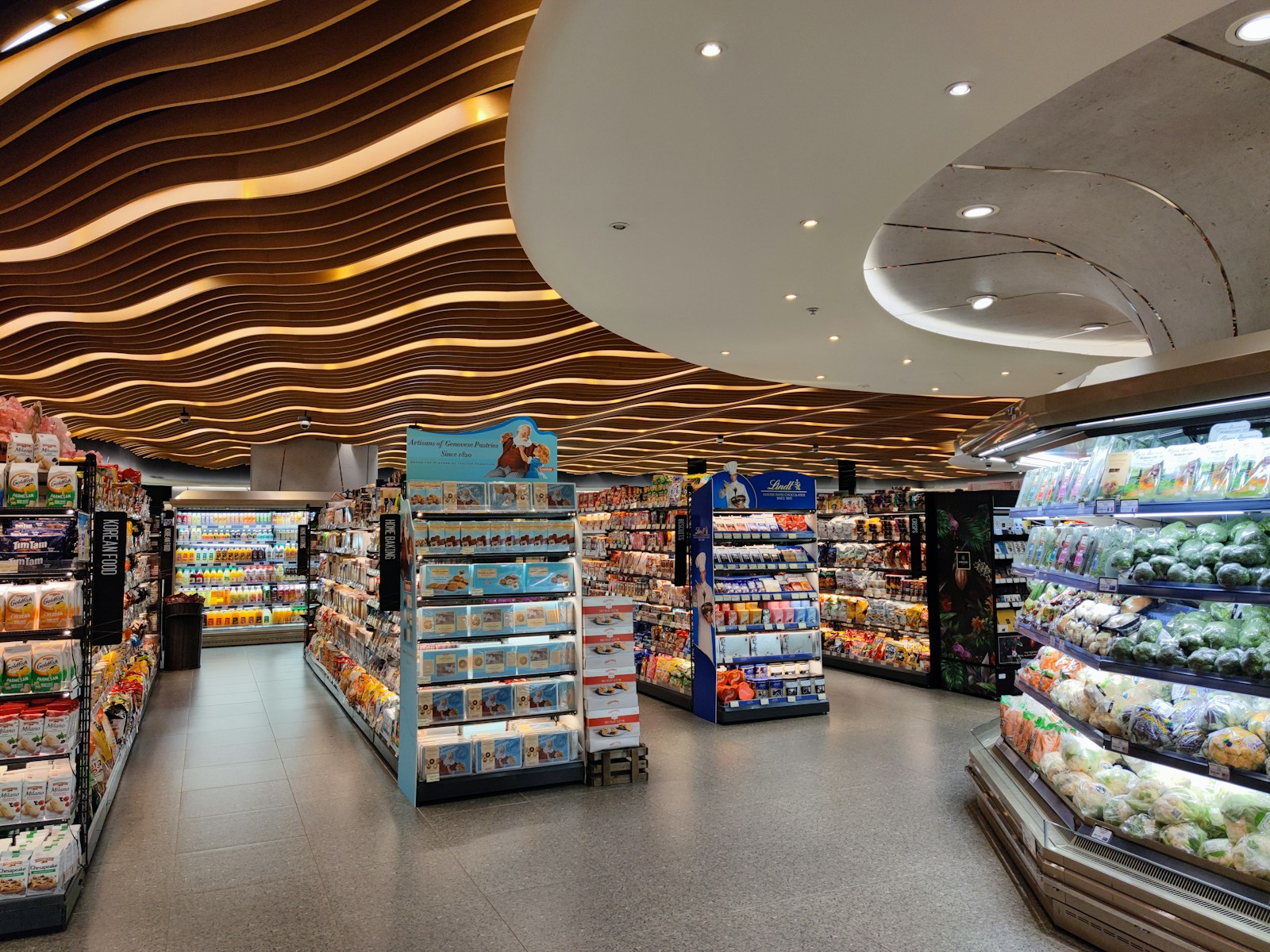
Across the United States, the landscape of grocery shopping has shifted dramatically, with six once-beloved grocery stores losing their small-town charm in the wake of corporate consolidation and modernization. This transformation affects local communities that relied on these stores for not only essential goods but also for the personal connections that fostered a sense of belonging. As these changes take hold, residents are left grappling with the loss of familiar faces and personalized service that characterized their shopping experiences.
1. Piggly Wiggly – A Southern Staple
Piggly Wiggly has long been a symbol of small-town grocery shopping in the South, known for its friendly staff and local products. However, in recent years, many locations have been taken over by larger chains or undergone significant renovations aimed at appealing to a more modern consumer. This has led to a loss of the community-oriented atmosphere that many residents cherished, with fewer local products available and staff turnover disrupting long-standing relationships between customers and employees.
2. IGA – The Community Store
Independent Grocers Alliance (IGA) was once the go-to grocery store for many rural towns, offering a variety of products and a personal touch. Unfortunately, a wave of store closures and conversions to corporate models has diluted IGA’s original charm. Many locations now feature generic brands and a lack of community involvement, making it difficult for residents to feel the same sense of ownership and connection they once had with their local store.
3. Food Lion – A Shift in Strategy
Food Lion, a grocery chain that originated in the Southeast, has undergone a significant rebranding and remodel in recent years. While the updated stores boast a more modern appearance and expanded product lines, many longtime customers lament the loss of the store’s cozy feel. The changes have also led to a reduction in local produce and unique regional offerings, creating a shopping experience that feels less personal and more like a corporate operation.
4. Safeway – The Loss of Local Flavor
Safeway has been a cornerstone for grocery shopping in many small towns, but recent corporate decisions have led to a decline in the local flavor that once defined the chain. As Safeway has adapted to a more centralized inventory system, many regional products and local favorites have disappeared from the shelves. Customers are increasingly frustrated by the impersonal shopping experience, which lacks the unique items and community engagement they had come to expect from their local store.
5. Albertsons – A Corporate Takeover
Originally a family-owned business, Albertsons has seen a series of mergers and acquisitions that have changed its identity. The shift towards a more corporate model has led to a standardization of stores, stripping away the unique elements that made each location special. Community members report feeling disconnected from their local Albertsons, as the personal service that once defined their shopping experience has been replaced by an emphasis on efficiency and cost-cutting.
6. Kroger – The Price of Progress
Kroger, one of the largest grocery chains in the country, has made headlines for its expansion efforts and modernizing initiatives. While this has brought some benefits, such as lower prices, it has also resulted in the decline of small-town charm in many locations. Customers have noticed a shift away from personalized service and local products, with many employees feeling pressured to prioritize efficiency over customer interaction. This transformation has left shoppers longing for the days when their local Kroger felt more like a neighborhood market.
The Impact on Local Communities
The loss of small-town charm in these grocery stores has broader implications beyond just shopping. For many residents, these stores served as community hubs where they could connect with neighbors and support local producers. The shift towards corporate models has diminished the sense of community, leading to feelings of isolation and disconnection among residents. As smaller stores close or change ownership, local economies also suffer, with fewer opportunities for community investment and engagement.
Looking Ahead: The Future of Grocery Shopping
As grocery shopping continues to evolve, many communities are left wondering how to regain the small-town charm that has been lost. Some towns are turning to farmers’ markets and co-ops to fill the void left by corporate grocery chains, emphasizing local produce and community engagement. Others are advocating for the return of independent grocery stores that prioritize personal service and local products. The future of grocery shopping may depend on finding a balance between modernization and preserving the sense of community that is vital to small-town life.

As a mom of three busy boys, I know how chaotic life can get — but I’ve learned that it’s possible to create a beautiful, cozy home even with kids running around. That’s why I started Cultivated Comfort — to share practical tips, simple systems, and a little encouragement for parents like me who want to make their home feel warm, inviting, and effortlessly stylish. Whether it’s managing toy chaos, streamlining everyday routines, or finding little moments of calm, I’m here to help you simplify your space and create a sense of comfort.
But home is just part of the story. I’m also passionate about seeing the world and creating beautiful meals to share with the people I love. Through Cultivated Comfort, I share my journey of balancing motherhood with building a home that feels rich and peaceful — and finding joy in exploring new places and flavors along the way.