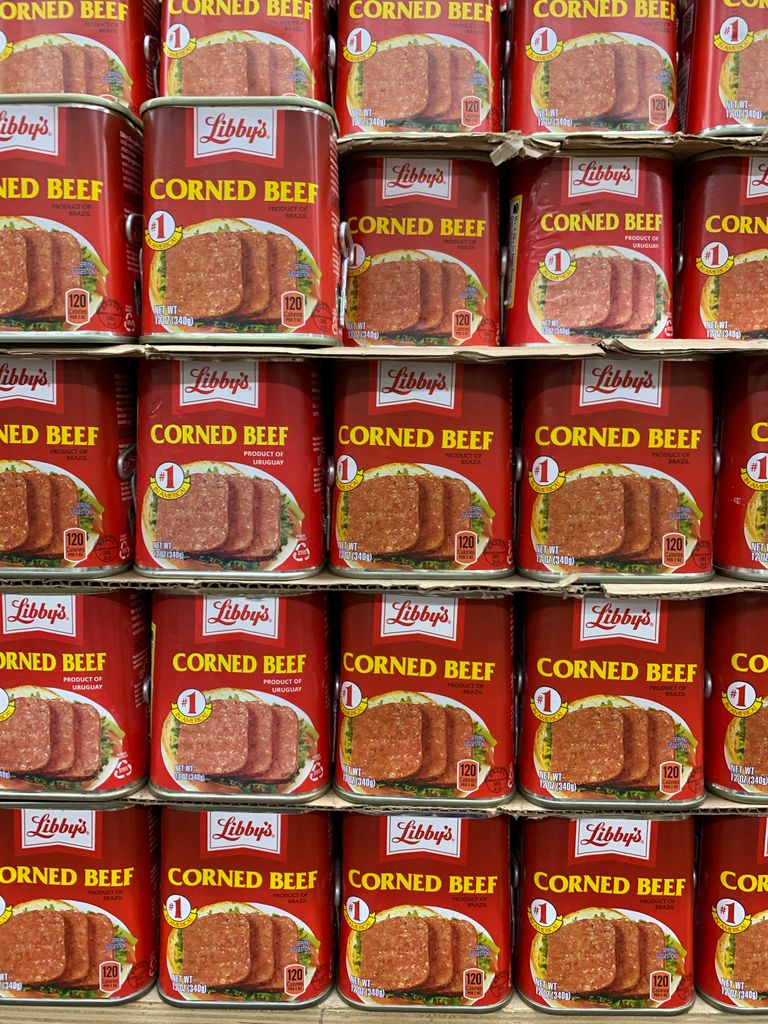

As inflation continues to impact household budgets, shoppers are often unaware of the subtle tactics grocery stores employ to encourage spending. These strategies can lead consumers to spend more than they initially planned, making it crucial for shoppers to recognize these methods. Understanding these tactics can help consumers make more informed purchasing decisions and potentially save money during their grocery trips.
1. Strategic Store Layout
One of the primary ways grocery stores influence shopping behavior is through their layout. Most stores are designed in a way that encourages customers to navigate through a maze of products, often leading them past items they didn’t originally intend to buy. Essentials like milk and bread are commonly placed at the back of the store, ensuring that shoppers pass by other enticing products along the way.
This layout is not accidental; stores aim to increase impulse purchases by placing high-margin items in prominent locations. For instance, snacks, beverages, and seasonal items are often strategically placed at eye level or near checkout lines, making them hard to resist. Being aware of these layouts can help shoppers stay focused on their grocery lists rather than succumbing to temptation.
2. Eye-Level Marketing
Another tactic involves the placement of products on store shelves. Items positioned at eye level typically sell better than those that are higher or lower, as they are more noticeable to shoppers. Grocery stores often negotiate with manufacturers to secure prime shelf space for their products, particularly for those with higher profit margins.
As a shopper, this means that the most visible products may not always be the best deals. It can be beneficial to look up and down the shelves to discover cheaper alternatives that might be placed out of the immediate line of sight. By being mindful of this positioning, consumers can make more cost-effective choices.
3. Pricing Psychology
Pricing strategies in grocery stores are designed to create a perception of value. Many stores use odd pricing—such as $3.99 instead of $4.00—to make items seem cheaper than they are. This tactic, known as psychological pricing, exploits the way consumers perceive numbers, making them more likely to reach for items that appear to be a better deal.
Additionally, bulk pricing often lures shoppers into purchasing larger quantities under the impression that they are saving money. However, it’s essential for shoppers to assess whether they will realistically use the additional items before making such purchases. Being aware of these pricing tactics can empower consumers to make smarter buying decisions.
4. Promotions and Discounts
While promotions and discounts can offer great savings, they can also lead to overspending. Grocery stores often advertise sales on certain items to draw customers into the store, but these promotions can create a false sense of urgency. Shoppers may feel compelled to buy items they don’t need simply because they are on sale.
Moreover, loyalty programs and coupons can sometimes encourage consumers to purchase more than they had planned. While saving money is always appealing, it’s important for shoppers to evaluate whether the discounted items are necessary. Keeping a clear shopping list can help mitigate the temptation to buy items simply because they are marked down.
5. The Power of Sensory Appeal
Grocery stores also use sensory marketing to enhance the shopping experience and encourage spending. The carefully curated aromas of baked goods, fresh produce, and coffee can create a welcoming environment that entices shoppers to linger longer in the store. This strategy capitalizes on the emotional connections people have with food, often leading to unplanned purchases.
Furthermore, the visual merchandising of products—such as colorful displays and organized aisles—can also influence buying behavior. Shoppers are more likely to purchase items that are visually appealing. Being aware of these sensory tactics can help consumers stay grounded in their shopping objectives.
6. Checkout Temptations
Finally, the checkout area is a critical zone for impulse buying. Stores strategically place snacks, magazines, and other small items near the registers to capture the attention of waiting customers. This tactic is particularly effective for parents shopping with children, as kids may beg for these items, leading to additional expenditures.
To combat this, consumers can prepare themselves mentally before reaching the checkout. Sticking to the shopping list and avoiding distractions can help shoppers resist the allure of last-minute purchases. Recognizing that these items are deliberately placed to prompt spending can empower consumers to make better choices.

As a mom of three busy boys, I know how chaotic life can get — but I’ve learned that it’s possible to create a beautiful, cozy home even with kids running around. That’s why I started Cultivated Comfort — to share practical tips, simple systems, and a little encouragement for parents like me who want to make their home feel warm, inviting, and effortlessly stylish. Whether it’s managing toy chaos, streamlining everyday routines, or finding little moments of calm, I’m here to help you simplify your space and create a sense of comfort.
But home is just part of the story. I’m also passionate about seeing the world and creating beautiful meals to share with the people I love. Through Cultivated Comfort, I share my journey of balancing motherhood with building a home that feels rich and peaceful — and finding joy in exploring new places and flavors along the way.