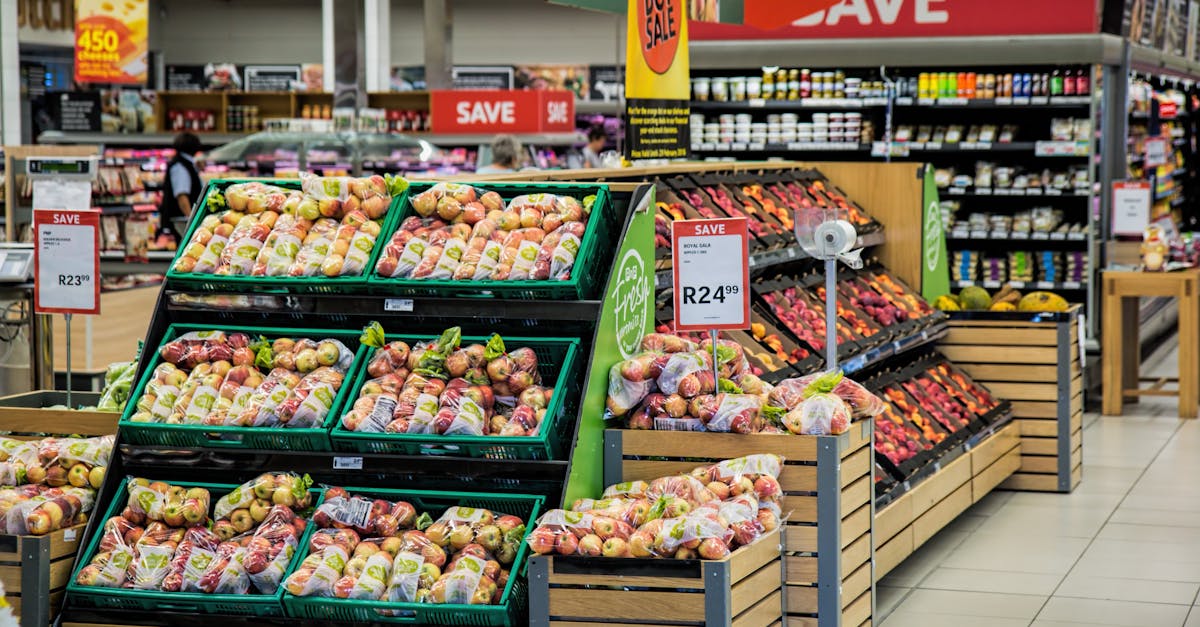
In recent months, consumers across the United States have been facing unexpected price increases on everyday grocery items, leaving many to question the rationale behind these hikes. With inflation still a concern, some price jumps appear to lack a clear justification, affecting households trying to manage their budgets. This article examines six notable price increases that have raised eyebrows among shoppers and industry experts alike.
1. Eggs: A Price Spike That Baffles Shoppers
Egg prices have soared dramatically in recent months, with some reports indicating a staggering increase of over 60% compared to the previous year. While avian flu outbreaks earlier this year contributed to supply shortages, many consumers are left wondering why prices remain high when production has resumed. Industry analysts suggest that retailers are capitalizing on the situation, leading to skepticism about whether these prices reflect genuine supply issues or opportunistic pricing strategies.
2. Canned Goods: A Surprising Surge
While canned goods have long been a staple for budget-conscious shoppers, prices for items like beans and tomatoes have surged unexpectedly. Many brands have raised their prices by up to 30%, even though raw materials like beans and vegetables have not experienced similar inflation. This discrepancy has led to questions about profit margins and whether companies are using inflation as an excuse to increase prices beyond what is justifiable.
3. Dairy Products: Milk and Cheese in the Spotlight
The cost of dairy products, particularly milk and cheese, has seen significant increases. Reports indicate that the price of a gallon of milk has jumped by nearly 15% over the last year, with cheese prices following suit. While rising feed costs due to climate conditions have been cited as a reason, many consumers feel that the increases far exceed the actual impact of these factors, especially when considering the scale of dairy producers’ operations.
4. Bread: A Staple Food with Rising Costs
For many families, bread is a staple that forms the basis of daily meals. However, recent price hikes of up to 25% have caught shoppers off guard. Experts suggest that while wheat prices have fluctuated, they have not risen enough to warrant such a dramatic increase in bread prices. This disconnect has left many questioning the pricing strategies of major bread manufacturers and retailers.
5. Fresh Produce: Price Jumps Contradicting Supply
Fresh fruits and vegetables are essential for a healthy diet, yet prices for many produce items have spiked despite a robust growing season. Items like tomatoes, peppers, and strawberries have seen price increases of up to 20% in some markets. Analysts argue that while weather events can impact specific crops, the overall supply chain remains strong, leading to skepticism about the justification for these higher prices.
6. Snacks and Packaged Foods: The Cost of Convenience
Convenience foods, including snacks and frozen meals, have also witnessed notable price hikes, with increases averaging around 15% across various brands. As families seek quick meal options, many are disheartened to find that the cost of convenience has climbed steeply. Retailers often attribute these increases to rising production and transportation costs, but consumers question whether these justifications are adequate given the increased demand for quick and easy meal options.
Consumer Reactions and Industry Responses
Consumer frustration has been palpable as shoppers find themselves paying more for basic necessities. Social media platforms are filled with complaints and questions about why these prices have soared and who is benefiting from these hikes. In response, some grocery chains have begun to implement price-matching guarantees and promotional discounts to alleviate customer concerns. However, many shoppers remain skeptical, feeling that transparency is lacking in the pricing process.
The Bigger Picture: Inflation and the Grocery Market
The current grocery price increases come amid broader inflationary pressures affecting various sectors of the economy. While the Federal Reserve has taken measures to curb inflation, food prices continue to rise, leaving many families struggling to keep up. As the cost of living increases, the grocery store remains a focal point for consumer frustration, and price transparency may become an increasingly important issue for both shoppers and retailers.
Conclusion: A Call for Transparency
As grocery prices continue to rise without clear justification, consumers are calling for more transparency from both manufacturers and retailers. Understanding the factors that drive these price increases is crucial for consumers as they navigate their budgets in a challenging economic landscape. Without greater accountability and clarity, shoppers will remain wary and frustrated as they attempt to make ends meet amidst these rising costs.

As a mom of three busy boys, I know how chaotic life can get — but I’ve learned that it’s possible to create a beautiful, cozy home even with kids running around. That’s why I started Cultivated Comfort — to share practical tips, simple systems, and a little encouragement for parents like me who want to make their home feel warm, inviting, and effortlessly stylish. Whether it’s managing toy chaos, streamlining everyday routines, or finding little moments of calm, I’m here to help you simplify your space and create a sense of comfort.
But home is just part of the story. I’m also passionate about seeing the world and creating beautiful meals to share with the people I love. Through Cultivated Comfort, I share my journey of balancing motherhood with building a home that feels rich and peaceful — and finding joy in exploring new places and flavors along the way.