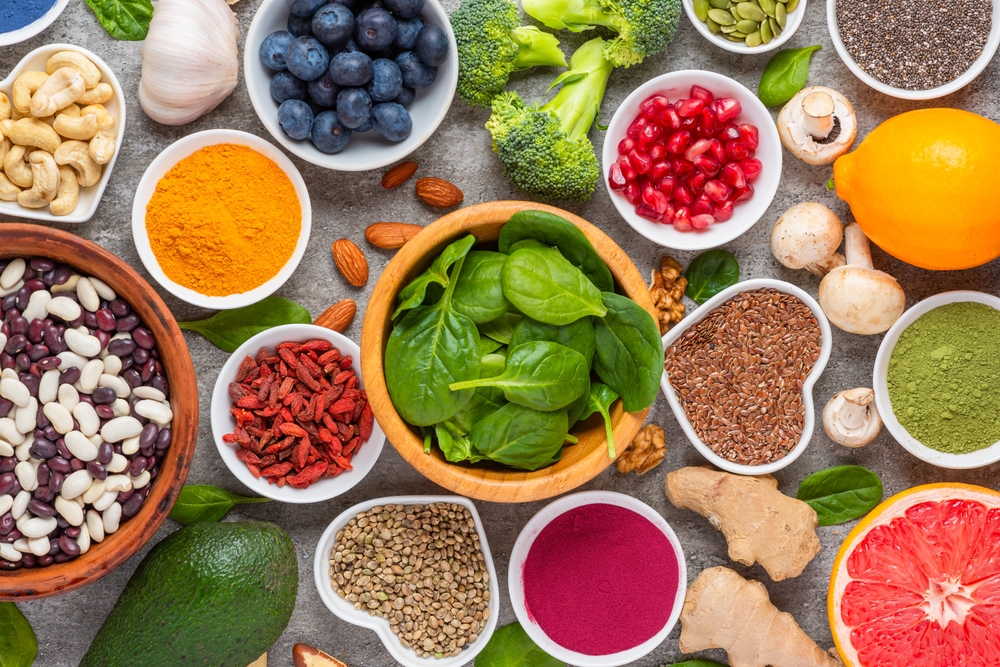
While many consumers are eager to improve their health through diet, the term “superfood” has become a buzzword that often misleads. A variety of foods marketed as superfoods do not possess the exceptional health benefits ascribed to them, raising questions about authenticity and consumer trust. Understanding which of these foods are more about marketing than nutrition is crucial for making informed dietary choices.
1. Acai Berries
Acai berries have gained popularity in recent years, often touted as a miracle food rich in antioxidants. However, studies show that while they do contain antioxidants, the quantities are not significantly higher than those found in common fruits like blueberries and strawberries. Additionally, many acai products are processed with added sugars and calories, which can negate any potential health benefits.
2. Quinoa
Quinoa has been celebrated as a complete protein and gluten-free grain alternative, popular among health enthusiasts. While it is indeed a good source of protein and fiber, it is not necessarily superior to other whole grains such as brown rice or barley. Moreover, the environmental impact of quinoa farming, particularly in Bolivia, raises ethical questions about its sustainability.
3. Goji Berries
Goji berries are often marketed as a powerful antioxidant food that can boost immune function and improve eyesight. However, the scientific evidence supporting these claims is minimal. In fact, many health benefits attributed to goji berries can also be found in a variety of other fruits and vegetables at a fraction of the cost, making them less of a nutritional powerhouse than advertised.
4. Chia Seeds
Chia seeds are frequently hailed for their omega-3 fatty acids and fiber content. While they do provide some health benefits, such as aiding digestion and promoting heart health, many other seeds, nuts, and foods deliver similar or greater benefits. The trend surrounding chia seeds often overshadows the fact that they should be consumed as part of a balanced diet rather than relied upon as a singular health solution.
5. Coconut Oil
Coconut oil has been marketed as a superfood that can improve metabolism and support weight loss. However, recent research suggests that it is high in saturated fats, which can raise cholesterol levels and increase the risk of heart disease. Nutrition experts recommend caution when incorporating coconut oil into diets, emphasizing that moderation is key and that it should not replace healthier fat sources.
6. Kale
Kale is frequently labeled as a superfood due to its high nutrient density, including vitamins A, C, and K. While it is indeed a nutritious vegetable, the intense marketing has led to the misconception that it is the only leafy green worth consuming. Spinach, collard greens, and even common romaine lettuce offer comparable health benefits and should not be overlooked in favor of kale alone.
Conclusion: Awareness is Key
As the concept of superfoods continues to permeate health and wellness discourse, consumers must remain vigilant about marketing claims. While many of the foods listed do offer health benefits, they are not the miraculous solutions they are often portrayed to be. A balanced diet comprised of various fruits, vegetables, whole grains, and proteins is the best approach to achieving optimal health.
In an age where health information is readily available, it is essential to differentiate between fact and marketing hype. Understanding the true nutritional value of foods helps consumers make better choices and fosters a healthier relationship with food. Ultimately, focusing on whole, unprocessed foods will always be more beneficial than chasing the latest superfood trend.

As a mom of three busy boys, I know how chaotic life can get — but I’ve learned that it’s possible to create a beautiful, cozy home even with kids running around. That’s why I started Cultivated Comfort — to share practical tips, simple systems, and a little encouragement for parents like me who want to make their home feel warm, inviting, and effortlessly stylish. Whether it’s managing toy chaos, streamlining everyday routines, or finding little moments of calm, I’m here to help you simplify your space and create a sense of comfort.
But home is just part of the story. I’m also passionate about seeing the world and creating beautiful meals to share with the people I love. Through Cultivated Comfort, I share my journey of balancing motherhood with building a home that feels rich and peaceful — and finding joy in exploring new places and flavors along the way.