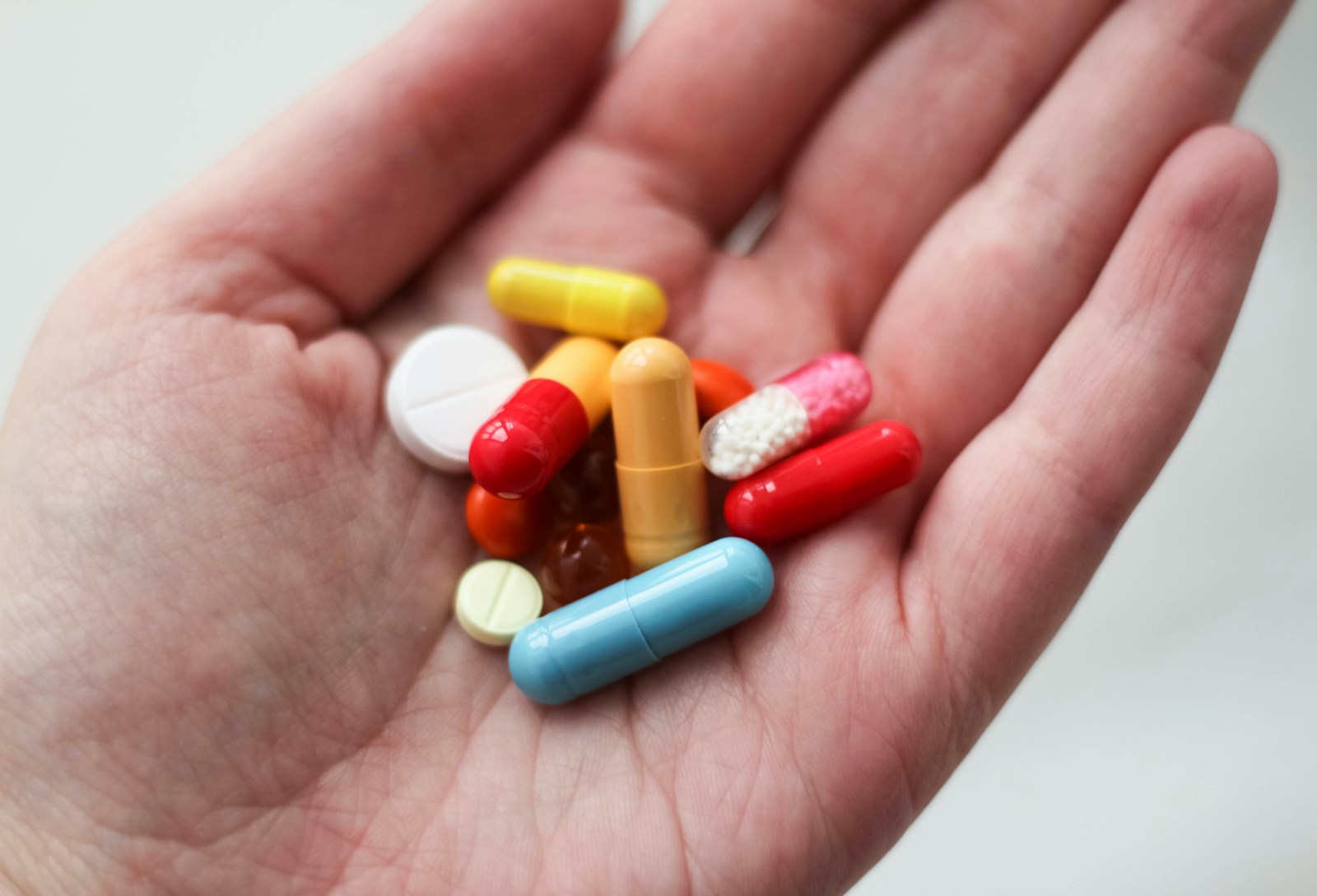
Many Americans are feeling the financial strain as the prices of everyday medicines soar, with some medications experiencing increases of over 1,000% in recent years. This price surge affects millions who rely on these essential drugs for chronic conditions, highlighting an urgent need for reform in the pharmaceutical industry. As healthcare costs continue to climb, understanding which medications have become prohibitively expensive is crucial for consumers and policymakers alike.
1. Insulin
Once reasonably priced, insulin has seen dramatic price hikes in recent years. For many diabetics, insulin is a lifesaving medication required for managing blood sugar levels. According to a report from the Health Care Cost Institute, the average price of insulin tripled between 2002 and 2013, with some patients now paying over $1,000 a month for the medication. This sharp increase has led to tragic consequences, with some patients resorting to rationing their doses, resulting in severe health complications.
2. EpiPen
The EpiPen, a critical device for those with severe allergic reactions, has also faced significant price increases. In 2016, it was revealed that the cost of a two-pack of EpiPens had skyrocketed to over $600, up from just $100 a few years earlier. This price surge has sparked outrage among consumers and prompted congressional hearings aimed at holding pharmaceutical companies accountable. Many families now find it challenging to afford this essential life-saving device, putting countless lives at risk.
3. Daraprim
In 2015, the price of Daraprim, a medication used to treat a parasitic infection known as toxoplasmosis, jumped from $13.50 to $750 per pill overnight. This staggering increase was attributed to its acquisition by Martin Shkreli, who infamously became a poster child for pharmaceutical greed. The price hike drew nationwide condemnation and led to discussions about the need for more stringent regulations on drug pricing, as patients with compromised immune systems, such as those with HIV/AIDS, faced insurmountable costs for a medication they desperately needed.
4. Humira
Humira, a medication commonly used for autoimmune conditions like rheumatoid arthritis, has also seen its price soar. Originally priced around $1,500 for a month’s supply, the cost has risen to nearly $6,000 in some cases. This increase has made it one of the most expensive drugs on the market, leading patients to seek alternatives or forgo treatment altogether. The rising costs of Humira have sparked debates about the sustainability of treatment options for chronic diseases and the ethical responsibilities of pharmaceutical companies.
5. Hepatitis C Treatments
In 2014, the introduction of Sovaldi, a revolutionary treatment for Hepatitis C, was celebrated for its effectiveness. However, the initial price tag of $1,000 per pill, or $84,000 for a full treatment course, quickly raised concerns about accessibility. While newer treatments have emerged, the high costs remain a barrier for many patients, particularly those without insurance or adequate coverage. The financial burden of treating Hepatitis C continues to challenge healthcare systems and patients alike.
6. Naloxone
Naloxone, a life-saving drug used to reverse opioid overdoses, has seen its price rise dramatically in recent years. While it was once available for as little as $20, the cost now ranges from $130 to $150 for a two-pack. This price increase has raised alarms among public health officials, as access to Naloxone is critical in combating the opioid epidemic. As communities struggle with rising overdose rates, the affordability of this essential medication is more important than ever.
7. Albuterol Inhalers
Albuterol, a common medication used to treat asthma attacks, has also experienced a significant price increase. In some cases, the cost of these inhalers has risen to $300 or more for a single prescription. For families managing asthma, these costs can be prohibitive, leading many to skip doses or reduce usage, ultimately risking their health. The rising prices of essential asthma medications highlight the urgent need for systemic changes in drug pricing and healthcare accessibility.
Conclusion
The dramatic increase in the prices of these everyday medicines highlights a troubling trend that is affecting countless Americans. As healthcare costs continue to rise, patients are often faced with impossible choices between financial stability and their health. Advocates are calling for greater transparency in drug pricing and reforms that would make vital medications more affordable and accessible. As the debate continues, it is essential for consumers to stay informed and engage.

As a mom of three busy boys, I know how chaotic life can get — but I’ve learned that it’s possible to create a beautiful, cozy home even with kids running around. That’s why I started Cultivated Comfort — to share practical tips, simple systems, and a little encouragement for parents like me who want to make their home feel warm, inviting, and effortlessly stylish. Whether it’s managing toy chaos, streamlining everyday routines, or finding little moments of calm, I’m here to help you simplify your space and create a sense of comfort.
But home is just part of the story. I’m also passionate about seeing the world and creating beautiful meals to share with the people I love. Through Cultivated Comfort, I share my journey of balancing motherhood with building a home that feels rich and peaceful — and finding joy in exploring new places and flavors along the way.