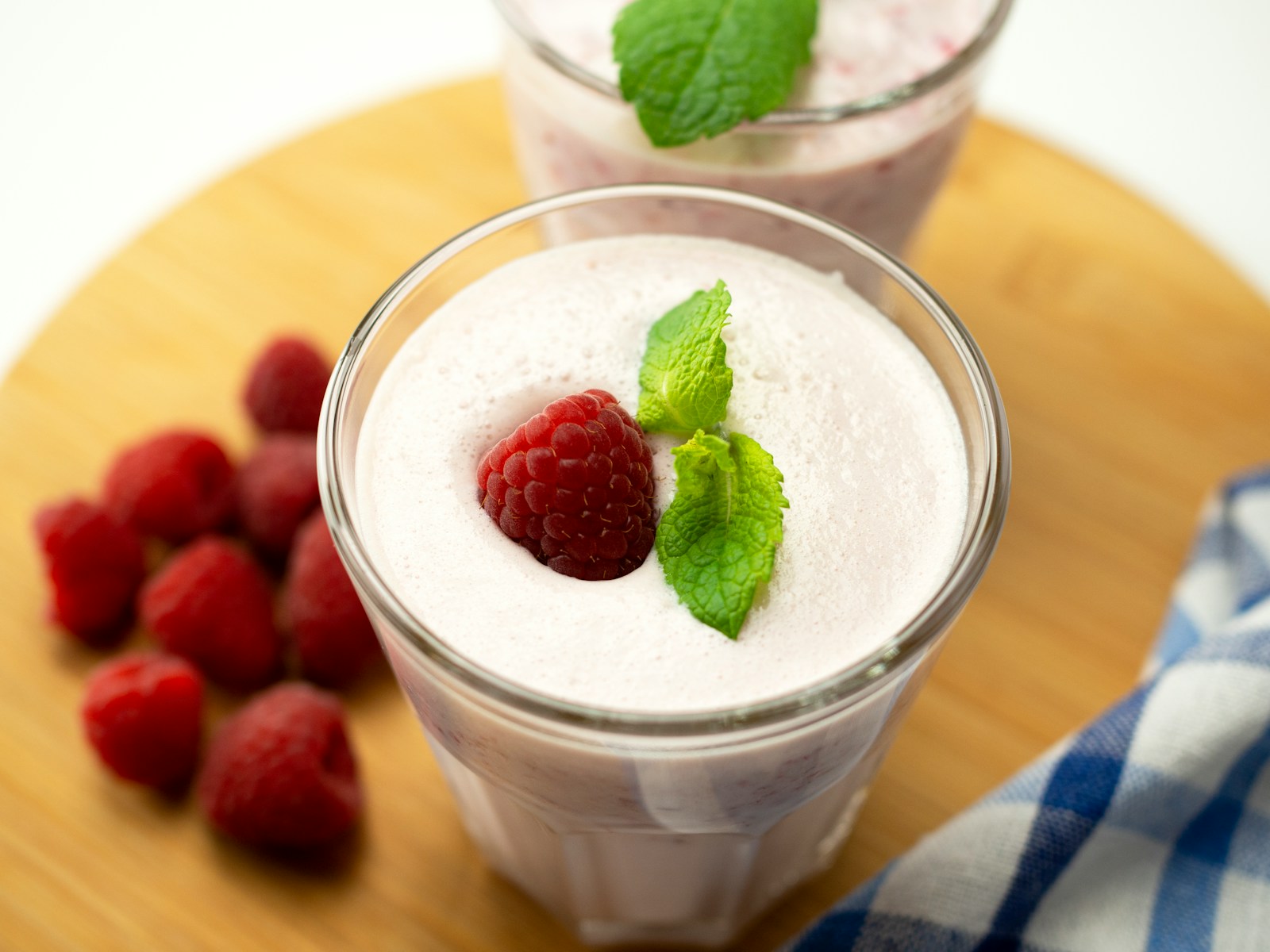
A recent analysis of popular low-fat foods reveals that many of these products may actually be less healthy than their full-fat counterparts, potentially misleading consumers into making poor dietary choices. This matter is particularly urgent as more individuals strive to maintain a healthy lifestyle and make informed decisions about their nutrition. The findings highlight the importance of scrutinizing food labels and understanding what “low-fat” really means.
1. Low-Fat Yogurt
Low-fat yogurt often comes with added sugars to compensate for the loss of flavor that occurs when fat is removed. As a result, these products can contain more calories than regular yogurt, which is usually more satisfying due to its fat content. Consumers may think they are making a healthier choice, but they might end up consuming more sugar than they realize, contributing to weight gain and other health issues.
2. Fat-Free Salad Dressing
Fat-free salad dressings may seem like an excellent way to cut calories, but they frequently contain high levels of sugar and artificial ingredients to enhance flavor. These additives can lead to unhealthy eating habits and negate the benefits of choosing a salad. In contrast, a small amount of full-fat dressing can provide flavor and satiety, encouraging people to enjoy their salads more and avoid overeating later.
3. Low-Fat Ice Cream
Low-fat ice cream often substitutes fat with sugar or other artificial sweeteners to mimic the creamy texture of traditional ice cream. This can result in a dessert that is not only less satisfying but also packed with unneeded sugars. Opting for a small serving of full-fat ice cream can be a more enjoyable and less guilt-inducing choice, as it may lead to fewer cravings and overindulgences.
4. Reduced-Fat Cheese
Reduced-fat cheeses are typically processed to remove fat, but this can also strip away much of their flavor. To compensate, manufacturers often add additional sodium or other additives, which can be harmful to heart health. Regular cheese, when consumed in moderation, can provide essential nutrients and healthy fats without the extra unwanted ingredients found in its low-fat counterparts.
5. Low-Fat Granola Bars
Many people turn to low-fat granola bars as a quick and healthy snack option. However, these bars can be loaded with sugar and artificial flavors, making them more akin to candy bars than a nutritious choice. In contrast, a whole-food option like a handful of nuts or a piece of fruit would be far more beneficial, providing essential nutrients without the added sugars.
6. Light Peanut Butter
Light peanut butter is marketed as a healthier alternative to traditional peanut butter by reducing the fat content. However, this is often achieved by adding sugar or other fillers that can diminish its nutritional value. Whole peanut butter is a source of healthy fats and protein, and its higher fat content can help keep you feeling full longer, making it a better choice for snacking.
7. Low-Fat Snacks
Many snacks labeled as “low-fat” can be deceptive. These products frequently contain high amounts of refined carbohydrates and added sugars, which can contribute to increased hunger and cravings. Instead of reaching for low-fat versions, opting for whole foods such as fruits, vegetables, or nuts can provide better satiety and nutritional benefits without the unnecessary calories.
Conclusion
While low-fat foods are often marketed as healthier options, many can be worse for your health than their full-fat counterparts. Understanding the ingredients and nutritional content of these products is crucial for making informed dietary choices. When it comes to nutrition, moderation and quality often outweigh the benefits of simply reducing fat. Consumers are encouraged to read labels carefully and consider whole food options that provide more balanced nutrition.

As a mom of three busy boys, I know how chaotic life can get — but I’ve learned that it’s possible to create a beautiful, cozy home even with kids running around. That’s why I started Cultivated Comfort — to share practical tips, simple systems, and a little encouragement for parents like me who want to make their home feel warm, inviting, and effortlessly stylish. Whether it’s managing toy chaos, streamlining everyday routines, or finding little moments of calm, I’m here to help you simplify your space and create a sense of comfort.
But home is just part of the story. I’m also passionate about seeing the world and creating beautiful meals to share with the people I love. Through Cultivated Comfort, I share my journey of balancing motherhood with building a home that feels rich and peaceful — and finding joy in exploring new places and flavors along the way.