Navigating an estate sale can be both exciting and overwhelming, especially if you’re unsure about the potential value of certain items. You might find yourself questioning whether that vintage lamp or old piece of furniture is merely sentimental or worth a small fortune. This uncertainty can lead to frustration, especially if you’re trying to make informed decisions about what to keep and what to sell.
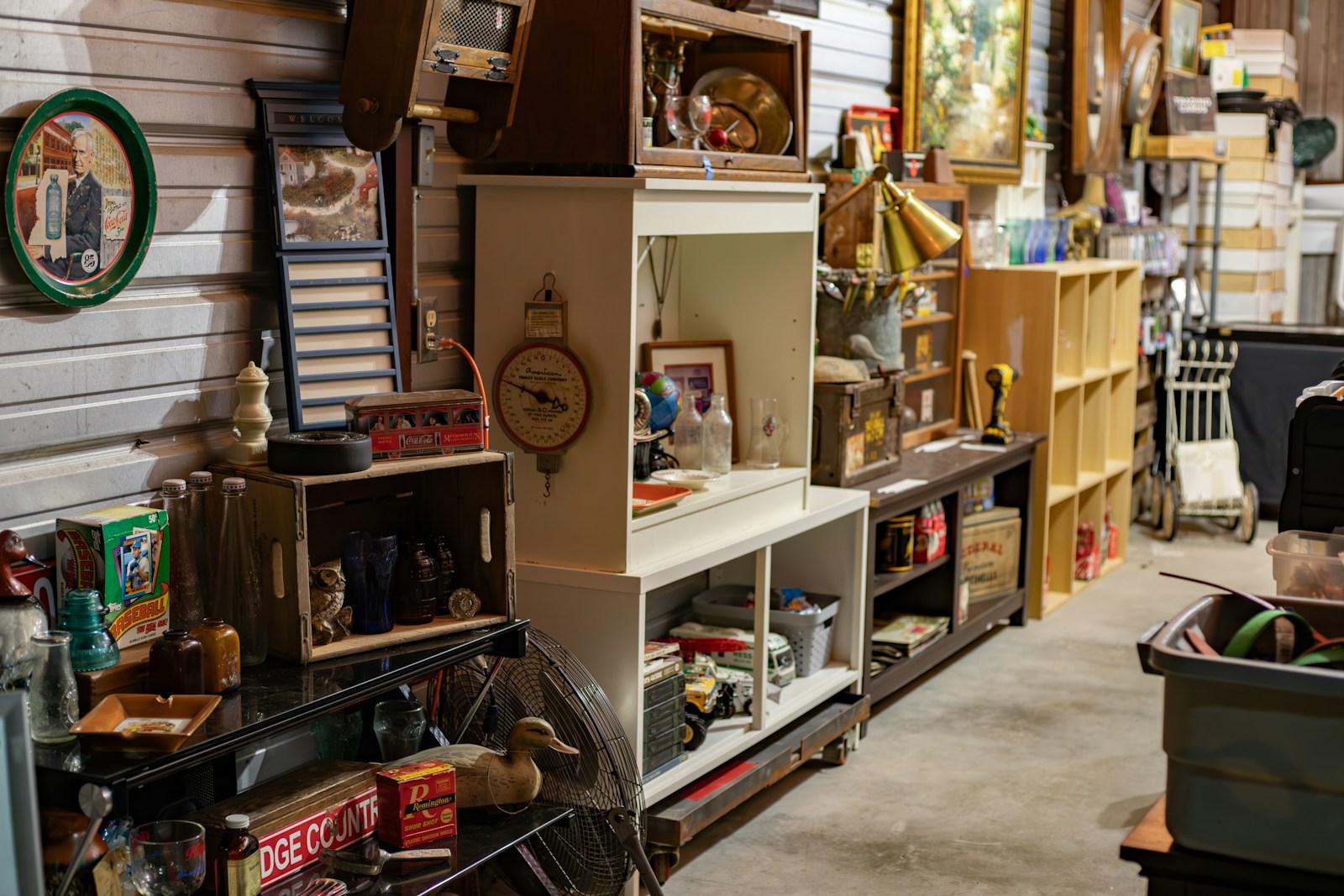
You’re not wrong to feel a bit overwhelmed by this dilemma. The world of estate sales is filled with hidden treasures, and it can be challenging to discern what’s genuinely valuable. Understanding how to identify potentially valuable items not only helps you manage your estate sale effectively but also ensures that you respect the worth of the items you may be parting with. This knowledge can empower you to make confident decisions that honor both your needs and the legacy behind the items.
1. Look for Unique or Rare Items
When browsing through an estate sale, one of the first clues that an item might be valuable is its uniqueness. Items that are rare or hard to find often have a higher value due to their scarcity. This could include limited edition collectibles, one-of-a-kind art pieces, or vintage furniture from renowned designers.
Why it works: Rarity often translates to demand; collectors and enthusiasts are usually willing to pay a premium for items that are not easily accessible.
As you explore the sale, trust your instincts. If something feels special or out of the ordinary, take a moment to research it further. You might uncover a hidden gem!
2. Check for Authenticity Markings
Many valuable items come with authenticity markings, such as signatures, labels, or stamps. For instance, artworks may be signed by the artist, while vintage items could have manufacturer labels that indicate their origin.
Why it works: Authenticity can significantly boost an item’s value, as buyers are more likely to pay top dollar for genuine pieces.
Don’t hesitate to investigate these markings; doing so could lead you to a more lucrative sale. Remember, knowledge is power, and recognizing authenticity can help you make informed choices.
3. Research Market Trends
Before heading to an estate sale, take some time to research current market trends for different categories of items. This could involve checking online auction sites, estate sale listings, or collector forums to see what similar items are selling for.
Why it works: Understanding market trends gives you a frame of reference for pricing and helps you gauge which items may have appreciated in value over time.
Empower yourself with information. This proactive approach will not only build your confidence but also equip you with the knowledge to negotiate effectively.
4. Pay Attention to Condition and Restoration
The condition of an item plays a crucial role in its value. Items that are well-preserved, restored, or in their original state generally hold more value than those that are damaged or altered.
Why it works: Buyers often look for quality, and items in excellent condition are more desirable, leading to higher offers.
As you evaluate items, keep in mind that a little care and attention can go a long way. If you find something that needs restoration, consider if it’s worth the investment; it could enhance its value significantly.
5. Consult with Experts
If you’re still unsure about an item’s value, don’t hesitate to consult with experts. This could be an appraiser, an antique dealer, or even knowledgeable friends or family members who have experience in estate sales.
Why it works: Experts can provide insights and valuations that you might not have considered, helping you make educated decisions.
Reaching out for guidance is a sign of strength, not weakness. You’re taking proactive steps to ensure that you make the best choices possible.
6. Trust Your Gut
Finally, trust your instincts. If something about an item strikes you as valuable or significant, don’t dismiss that feeling. Often, intuition can lead you to recognize opportunities that might not be immediately obvious.
Why it works: Your personal connection to an item can enhance your perception of its value, whether that’s sentimental or financial.
Remember, your perspective matters. Trusting your gut can lead you to discover treasures that resonate not just financially but also emotionally.
Closing
Navigating an estate sale doesn’t have to be a daunting task. With the right approach and a little research, you can uncover valuable items that honor the legacy behind them. Keep in mind that every item has a story, and your role is to find the value within that narrative.
As you embark on this journey, embrace the opportunity to learn and grow. You have the power to make informed decisions that reflect both respect for the past and excitement for the future. Happy hunting!
More from Cultivated Comfort:
- 7 Vintage Home Items From the ’60s That Are Collectors’ Dream Finds
- 7 Vintage Home Goods That Became Collectors’ Gold
- 7 Fast-Food Chains That Changed for the Worse
- 7 Frozen Dinners That Were Better Back in the Day

As a mom of three busy boys, I know how chaotic life can get — but I’ve learned that it’s possible to create a beautiful, cozy home even with kids running around. That’s why I started Cultivated Comfort — to share practical tips, simple systems, and a little encouragement for parents like me who want to make their home feel warm, inviting, and effortlessly stylish. Whether it’s managing toy chaos, streamlining everyday routines, or finding little moments of calm, I’m here to help you simplify your space and create a sense of comfort.
But home is just part of the story. I’m also passionate about seeing the world and creating beautiful meals to share with the people I love. Through Cultivated Comfort, I share my journey of balancing motherhood with building a home that feels rich and peaceful — and finding joy in exploring new places and flavors along the way.