Millennial buyers aren’t just looking for square footage or curb appeal—they’re paying close attention to how a home functions day to day. Energy efficiency, flexibility, and move-in readiness matter more than ever, especially as affordability pressures push buyers to be more selective. Features that once felt like upgrades can now feel like liabilities if they add maintenance, waste space, or require immediate renovations. If you’re planning to sell—or simply want to understand what today’s buyers value—these are seven home features that consistently turn millennial buyers off.
1. Wall-to-Wall Carpeting
Wall-to-wall carpet is one of the quickest turnoffs for millennial buyers, especially when it appears in living areas. Many associate carpet with allergens, trapped odors, and years of hidden wear—even if it looks clean.
Hard flooring feels more modern, easier to maintain, and better suited to kids, pets, and busy lifestyles. Buyers also factor in the cost and hassle of ripping out carpet right after closing, which can make an otherwise solid home feel like more work than it’s worth.
2. Closed-Off, Choppy Floor Plans
Homes with lots of small, separated rooms often feel outdated to millennial buyers who value openness and flexibility. While not everyone wants a fully open concept, overly choppy layouts can make a home feel dark, cramped, and less social.
Millennials often envision entertaining, working from home, or keeping an eye on kids while cooking—things that are harder in closed-off designs. When buyers immediately start thinking about removing walls or reworking layouts, it adds mental renovation costs that can push them toward other listings.
3. Formal Dining Rooms That Go Unused
A dedicated formal dining room sounds nice in theory, but many millennial buyers see it as wasted square footage. These rooms often go unused while buyers would prefer a home office, playroom, or flex space.
With remote work and casual dining becoming the norm, spaces that serve only one purpose feel limiting. Homes that clearly show adaptable, multi-use rooms tend to feel more valuable and more aligned with modern living.
4. Outdated Kitchens With Heavy Finishes
Kitchens are make-or-break for millennial buyers, and dated finishes are an immediate red flag. Honey oak cabinets, busy tile countertops, and dark, heavy materials can make a kitchen feel stuck in the past—even if everything functions perfectly.
Because kitchens are expensive to renovate, buyers often see outdated designs as guaranteed post-purchase projects. Clean, neutral finishes and simple updates go a long way in helping a home feel move-in ready.
5. Lack of Storage or Poorly Designed Storage
Storage matters more than ever, especially for buyers balancing kids, hobbies, and work-from-home setups. Homes with small closets, no pantry, or awkward storage layouts can feel impractical almost immediately.
Millennial buyers want homes that help them stay organized without relying on bulky furniture. When storage feels like an afterthought, buyers start worrying about clutter and long-term livability.
6. High-Maintenance Outdoor Features
Elaborate landscaping, koi ponds, or oversized lawns may look impressive, but many millennial buyers see them as ongoing maintenance burdens. Busy schedules and rising costs make low-maintenance outdoor spaces far more appealing.
Buyers often ask how much time and money it will take just to keep things looking decent. Simple, functional yards that feel usable—not overwhelming—tend to attract more interest and fewer objections.
7. Inefficient or Costly-to-Run Features
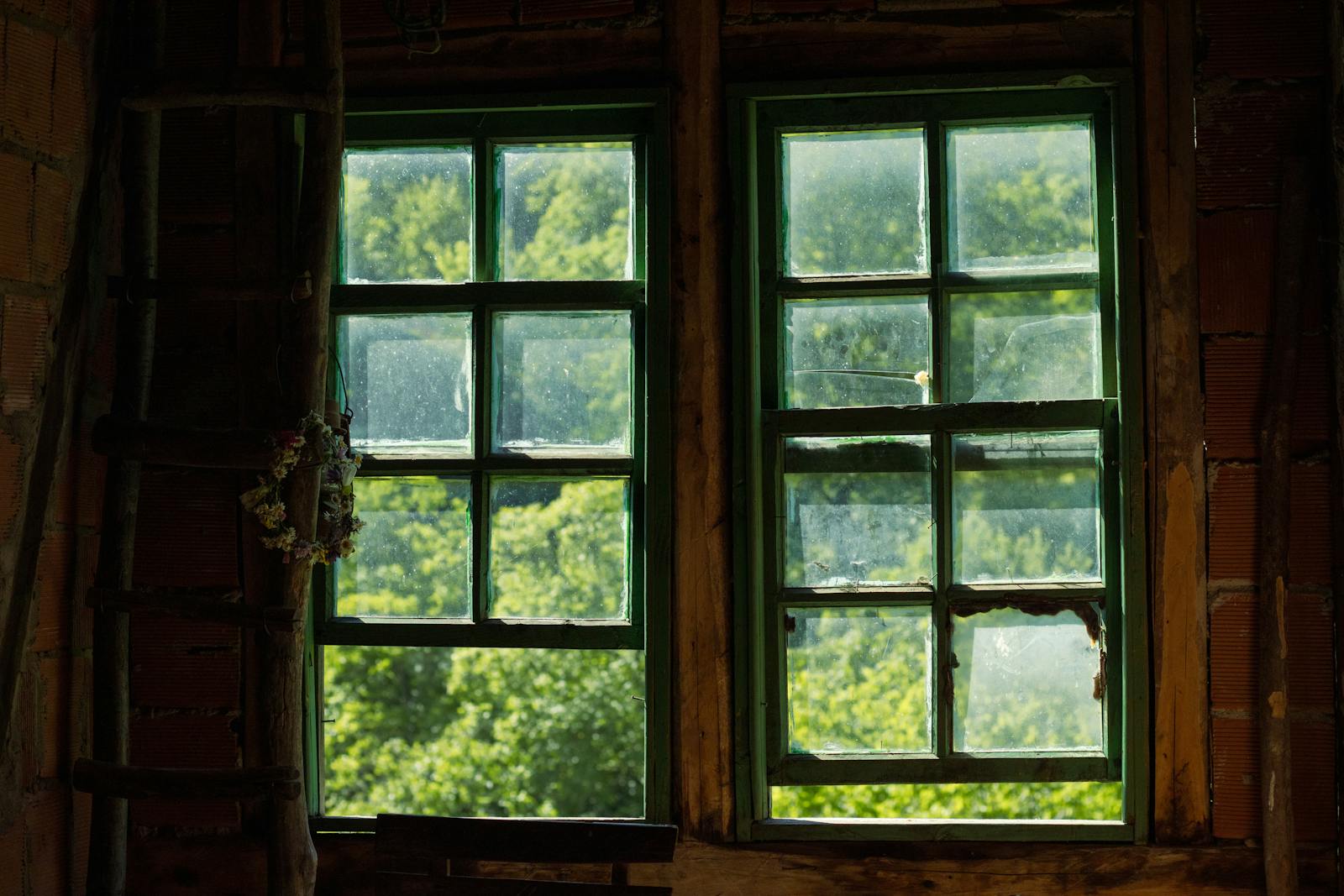
Energy inefficiency is a major concern for millennial buyers who are already stretched by housing costs. Old HVAC systems, single-pane windows, and poor insulation raise immediate red flags about monthly bills.
Today’s buyers are far more aware of long-term ownership expenses. Homes that signal high utility costs—even charming ones—can lose appeal quickly compared to properties that feel more efficient and affordable to maintain.

As a mom of three busy boys, I know how chaotic life can get — but I’ve learned that it’s possible to create a beautiful, cozy home even with kids running around. That’s why I started Cultivated Comfort — to share practical tips, simple systems, and a little encouragement for parents like me who want to make their home feel warm, inviting, and effortlessly stylish. Whether it’s managing toy chaos, streamlining everyday routines, or finding little moments of calm, I’m here to help you simplify your space and create a sense of comfort.
But home is just part of the story. I’m also passionate about seeing the world and creating beautiful meals to share with the people I love. Through Cultivated Comfort, I share my journey of balancing motherhood with building a home that feels rich and peaceful — and finding joy in exploring new places and flavors along the way.