In the kind of plot twist that usually belongs in a movie montage, a Spanish figure skater has been told he cannot skate to his Minions mashup at the Winter Olympics, just days before he is due to compete. Instead of fine tuning his jumps, he is suddenly rebuilding an entire program on the fly, scrambling to find new music, new choreography, and a new way to connect with the crowd. The stakes are brutal: years of work now hinge on how fast he and his team can reinvent a routine that was supposed to be locked in long ago.
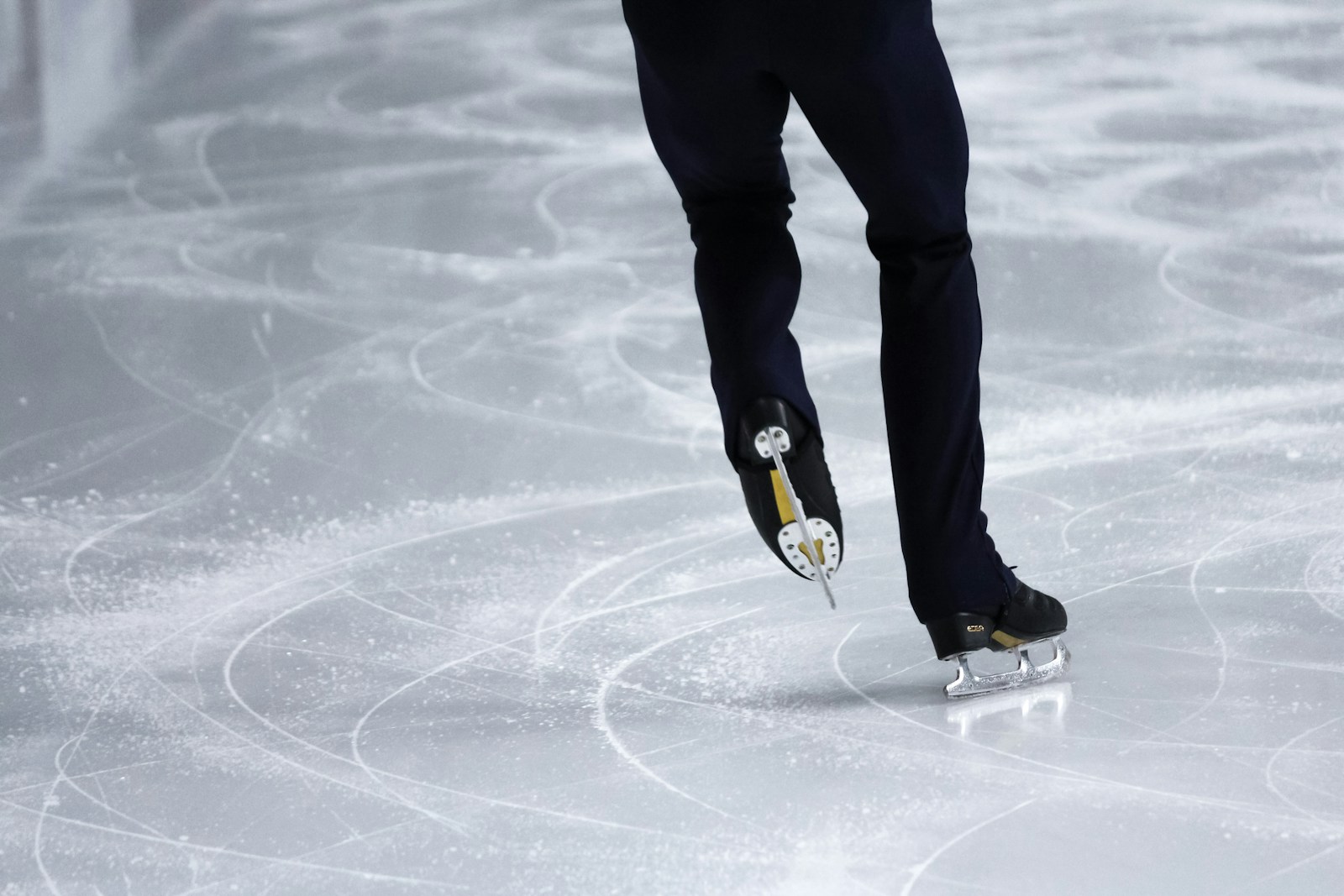
The late ruling has turned one athlete’s quirky calling card into the first big controversy of the figure skating competition, and it is shining a harsh light on how complicated music rights have become at the Games. What sounds like a lighthearted story about Minions is, underneath, a case study in how copyright law, Olympic bureaucracy, and creative risk can collide at the worst possible moment for the people actually stepping onto the ice.
The skater who lost his Minions
The heart of the drama is Spanish skater Tomàs-Llorenç Guarino Sabaté, a rising name who built his Olympic short program around a playful Minions mix that instantly set him apart. The routine leaned into full cartoon chaos, with exaggerated expressions and comedic timing layered over serious technical content, a combination that helped the Spanish skater punch above his experience level on the senior stage. According to reporting on the Spanish figure skater, the Minions music had become his signature, the soundtrack fans expected to hear when he took the ice.
That soundtrack is now off limits. Tomàs-Llorenç Guarino Sabaté was informed that the Minions material had not been cleared for Olympic broadcast, which meant the entire program had to be scrapped despite being fully choreographed, trained, and performed internationally. Coverage of the dispute notes that the decision arrived just before the Games, leaving the Spanish skater with almost no time to design and polish a replacement routine that meets Olympic standards. In interviews cited in multiple reports, he has framed the situation as a shock but also as a challenge to create something new he can still be proud of, even if it is not the program he imagined bringing to Milan.
How a copyright snag became a full-blown Olympic headache
On paper, the issue sounds simple: the Minions music was not cleared, so it cannot be used. In practice, it is a tangle of copyright law, broadcast rights, and Olympic rules that can trip up even seasoned federations. One detailed account explains that the Minions tracks in question involve multiple rights holders, and that the necessary permissions for Olympic use were not secured in time, which is why officials told the Spanish skater to change his music. The same reporting notes that the decision landed so late that it effectively turned a finished Olympic program into a legal liability, rather than a performance asset, for Tomàs-Llorenç Guarino Sabaté and his team.
The timing has also raised eyebrows because it is not an isolated headache. A broader look at the situation describes how music licensing has become figure skating’s first major controversy of these Winter Games, with the Minions case serving as the most visible example. One report on music copyright law points out that Olympic programs are built around music as their backbone, yet the legal clearance process often runs on a separate track from training, which is how skaters can end up blindsided by last minute bans. In this case, the Minions mix went from crowd pleaser to red flag almost overnight, and the fallout is playing out in real time.
Scrambling to rebuild a program in real time
For Tomàs-Llorenç Guarino Sabaté, the practical problem now is not theoretical at all. He has to pick new music, re-map his jumps and spins, and adjust his performance beats to a completely different soundtrack, all while the clock to his first Olympic skate keeps ticking. Reports on the situation describe him and his coaches racing to cut and approve a new track, then stitch together choreography that still showcases his strengths. One account notes that the Spanish skater is trying to keep the spirit of his original concept, even if the Minions are gone, so that the performance still feels like his rather than a generic emergency backup.
The emotional reset may be even harder than the technical one. In coverage of the dispute, Tomàs-Llorenç Guarino Sabaté is quoted reflecting on how attached he was to the Minions routine, and how he had imagined sharing that playful side with the Olympic audience. A feature on the Minions music ban describes his program as whimsical and crowd friendly, the kind of skate that can loosen up a tense arena. Replacing that with something new in a matter of days means relearning how to sell a different character and mood, which is a big ask even for a veteran, let alone a young skater at his first Games.
A warning sign for the rest of the field
The Minions case is not happening in a vacuum. Earlier this year, a report on Sports relayed that multiple skaters were already running into music clearance problems ahead of the 2026 Milano Olympics, with some warned they might need to change their programs before the team ice rhythm dance segment. A separate discussion, shared via a post that began with “According to Jackie Wong,” suggested that several skaters were dealing with copyright issues in Milan, hinting that Tomàs-Llorenç Guarino Sabaté might be the most visible example of a wider pattern rather than a one off.
There is also recent precedent for high profile music changes in figure skating, even if they did not come quite this late. In 2025, Alysa Liu, who was identified as the 2025 World Champion, changed her program music after controversy around singer d4vd, opting to rebuild her layout so she could compete without distraction. That situation was driven by public backlash rather than licensing, but it still required a full artistic reset. The difference in Milan is the compressed timeline: Tomàs-Llorenç Guarino Sabaté is making his switch with the Olympic start order already set and the Men’s Figure Skating Dates for Milan Cortina, including the Men’s Singles Short Program and Men’s Singles Free Skate, locked in on official Figure Skating Dates.
Skaters are already juggling enough chaos
What makes the Minions saga sting is that Olympic skaters are already managing a ridiculous amount of logistics before they even think about copyright. One recent feature on Winter Olympics preparations followed Christina Carreira, who headed to the Games without her ice dance costumes because of shipping delays, hoping they would arrive before the figure skating portion begins on Feb. 6. That kind of stress is already enough to rattle even the most seasoned athletes, and it has nothing to do with whether their music is legally cleared. Add in the usual travel issues, training adjustments, and media obligations, and it is easy to see why a last minute program rewrite feels like one complication too many.
At the same time, some skaters are using their music choices to push the sport in new directions, which only raises the stakes when those choices are threatened. Ilia Malinin, for example, built his free skate, titled “A Voice,” around rousing instrumental music and his own spoken word, turning the program into a statement about mental and spiritual health. When athletes are investing that much personal meaning into their soundtracks, a late ruling that pulls the plug is not just a technical correction, it is a creative gut punch. Tomàs-Llorenç Guarino Sabaté’s Minions routine might have been more playful than introspective, but it was still his way of saying something about who he is on the ice, and that is what has been taken away.
More from Cultivated Comfort:
- 7 Retro Home Features That Builders Should Bring Back
- 7 Antique Finds That Are Surprisingly Valuable Today
- 7 Forgotten Vacation Spots Your Parents Probably Loved
- 6 Boomer China Patterns That Are Selling Like Crazy Online

As a mom of three busy boys, I know how chaotic life can get — but I’ve learned that it’s possible to create a beautiful, cozy home even with kids running around. That’s why I started Cultivated Comfort — to share practical tips, simple systems, and a little encouragement for parents like me who want to make their home feel warm, inviting, and effortlessly stylish. Whether it’s managing toy chaos, streamlining everyday routines, or finding little moments of calm, I’m here to help you simplify your space and create a sense of comfort.
But home is just part of the story. I’m also passionate about seeing the world and creating beautiful meals to share with the people I love. Through Cultivated Comfort, I share my journey of balancing motherhood with building a home that feels rich and peaceful — and finding joy in exploring new places and flavors along the way.