

Are you feeling overwhelmed by the clutter in your home, particularly items that seem to be more of a burden than a blessing? Perhaps you’ve found yourself caught in a tug-of-war with a family member, especially a parent or grandparent from the Baby Boomer generation, who insists on keeping things that you believe are completely worthless. Whether it’s a dusty collection of figurines, old VHS tapes, or a broken piece of furniture, it’s understandable to feel frustrated and confused about why they hold onto such items.
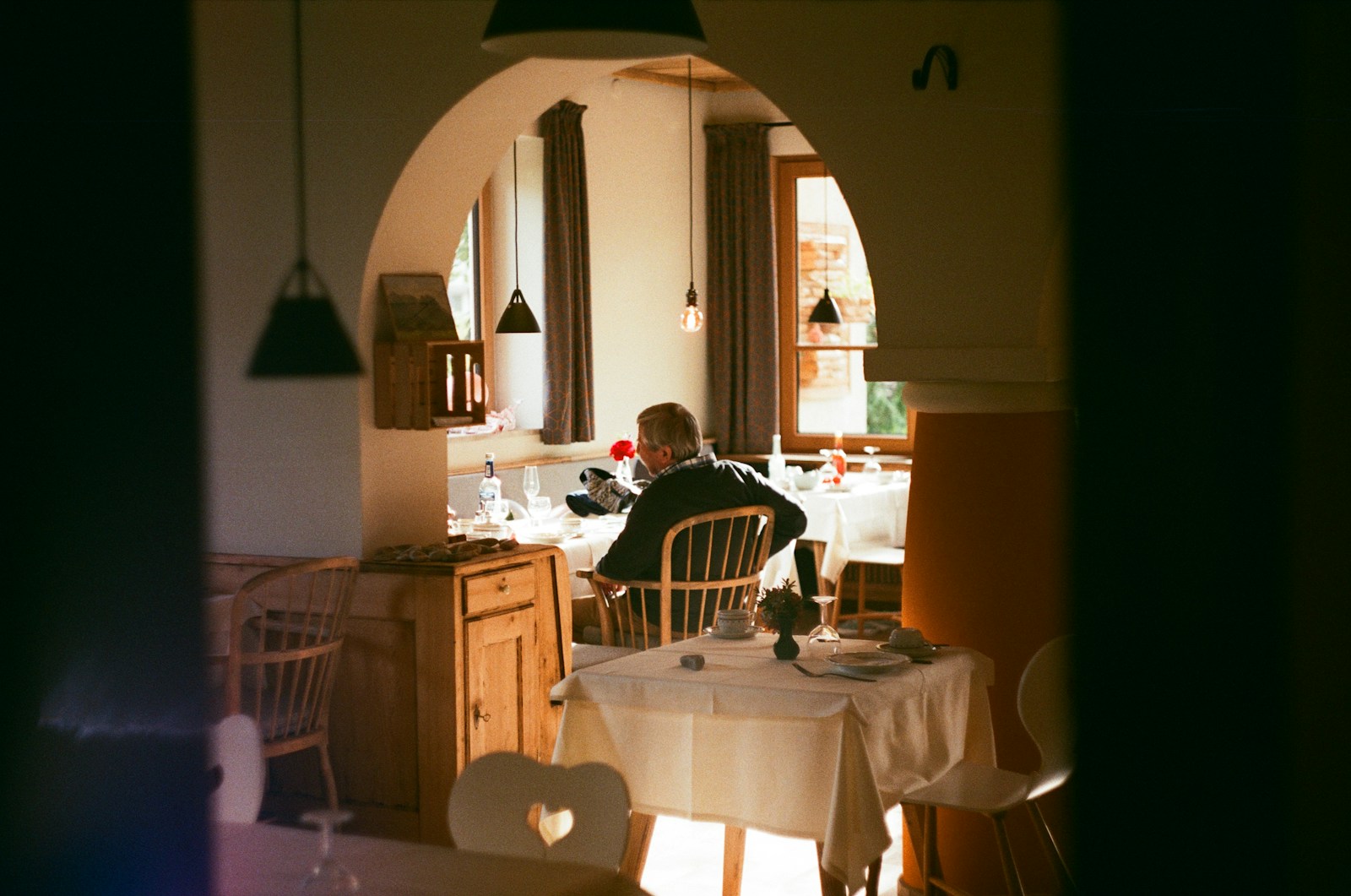
You’re not wrong to feel frustrated. The emotional attachment that Boomers have to certain possessions often stems from nostalgia, memories, or a mindset shaped by different economic realities. This issue matters because it touches on boundaries, respect, and communication. Navigating these conversations can be delicate, but it’s essential for fostering a more organized and harmonious living space.
Start With a Calm, Direct Conversation
Begin by having an open and honest conversation with your loved one about the items in question. Choose a quiet moment to discuss your feelings without distractions.
Calmly expressing your concerns allows you to articulate your perspective and opens the door for understanding. This approach works because it establishes a non-confrontational tone, which encourages dialogue rather than defensiveness. Remember, you deserve a home that reflects your values and organization while respecting theirs too.
Set Clear Boundaries and Expectations
It’s important to establish what you are comfortable with regarding shared spaces. Clearly outline the boundaries around items that can remain in the home and those that need to be removed.
Setting boundaries helps prevent future misunderstandings and fosters respect for each other’s space. It empowers you by taking control of your environment and asserting your needs. You have every right to create a living space that feels right for you.
Involve Your Partner Without Blaming Them
If you have a partner involved in the situation, approach them in a way that invites collaboration rather than blame. Discuss how the items impact your shared living space.
By presenting this as a joint issue, you promote teamwork and ensure that everyone feels included in the decision-making process. This tactic works because it encourages empathy and shared responsibility. You’re not alone in this; together, you can find solutions that satisfy everyone’s needs.
Offer Reasonable Alternatives
If your loved one is attached to certain items, suggest reasonable alternatives for preserving memories without keeping the physical items. Propose taking photos of the items or creating a digital scrapbook.
This method works because it acknowledges their feelings while offering a practical solution that supports both nostalgia and decluttering. You can help them see that memories can be cherished without the physical burden of keeping everything.
Protect Your Home and Privacy Without Escalating Conflict
When things get heated, it’s crucial to stay calm and assertive. Make it clear that while you respect their feelings, your home must be a place where you feel comfortable and relaxed.
Establishing your right to a peaceful environment doesn’t have to lead to conflict. This approach works because it emphasizes mutual respect while standing firm on your needs. You deserve to feel at home in your space without feeling surrounded by items that don’t serve you.
Seek Third-Party Support if Needed
If the situation becomes too challenging to handle alone, consider seeking the help of a neutral third party, such as a family mediator or counselor. They can facilitate the conversation and help navigate emotional attachments.
This option works because it provides an unbiased perspective and can ease tensions. Remember, asking for help is a sign of strength, not weakness. You’re taking proactive steps toward a more harmonious environment.
**Closing**
The situation can improve with patience, understanding, and clear communication. Remember that change takes time, and it’s okay to revisit conversations as needed. One final piece of empowering advice: approach each discussion with empathy and a commitment to finding a solution that honors both your needs and those of your loved ones. You have the ability to create a more organized, peaceful home—believe in that vision!
More from Cultivated Comfort:
- 7 Vintage Home Items From the ’60s That Are Collectors’ Dream Finds
- 7 Vintage Home Goods That Became Collectors’ Gold
- 7 Fast-Food Chains That Changed for the Worse
- 7 Frozen Dinners That Were Better Back in the Day

As a mom of three busy boys, I know how chaotic life can get — but I’ve learned that it’s possible to create a beautiful, cozy home even with kids running around. That’s why I started Cultivated Comfort — to share practical tips, simple systems, and a little encouragement for parents like me who want to make their home feel warm, inviting, and effortlessly stylish. Whether it’s managing toy chaos, streamlining everyday routines, or finding little moments of calm, I’m here to help you simplify your space and create a sense of comfort.
But home is just part of the story. I’m also passionate about seeing the world and creating beautiful meals to share with the people I love. Through Cultivated Comfort, I share my journey of balancing motherhood with building a home that feels rich and peaceful — and finding joy in exploring new places and flavors along the way.