You’ll get a quick, state-by-state tour of the foods that spark the most strong dislikes across America. This map shows which ingredients and dishes people consistently pick as the nation’s most polarizing foods, so you can see how your taste fits or clashes with others.
As you move through the article, expect short profiles of the usual culinary villains and why they provoke such strong reactions from different regions and demographics. Keep an open mind—you might find a surprising pattern or a local food feud that explains why your favorite or least favorite keeps turning up on the list.
Liver
You’ll notice liver tops many “most hated” lists, often for its strong taste and grainy texture.
If you grew up avoiding it, that flavor memory can stick and shape your future choices.
Some surveys show liver ranks highest in dislike across regions; people point to smell and metallic notes.
Still, you might encounter recipes and chefs who praise its nutrient density and bold flavor.
Anchovies
You probably notice anchovies first for their strong, salty punch.
Many Americans rank them among the most disliked foods, often citing an overpowering fishy taste.
If you avoid them on pizza or in dressings, you’re not alone.
Still, chefs use anchovies to add umami without leaving a literal anchovy flavor when used sparingly.
A quick rinse and chop can tame their intensity, letting you try them without committing to the full blast.
Sardines
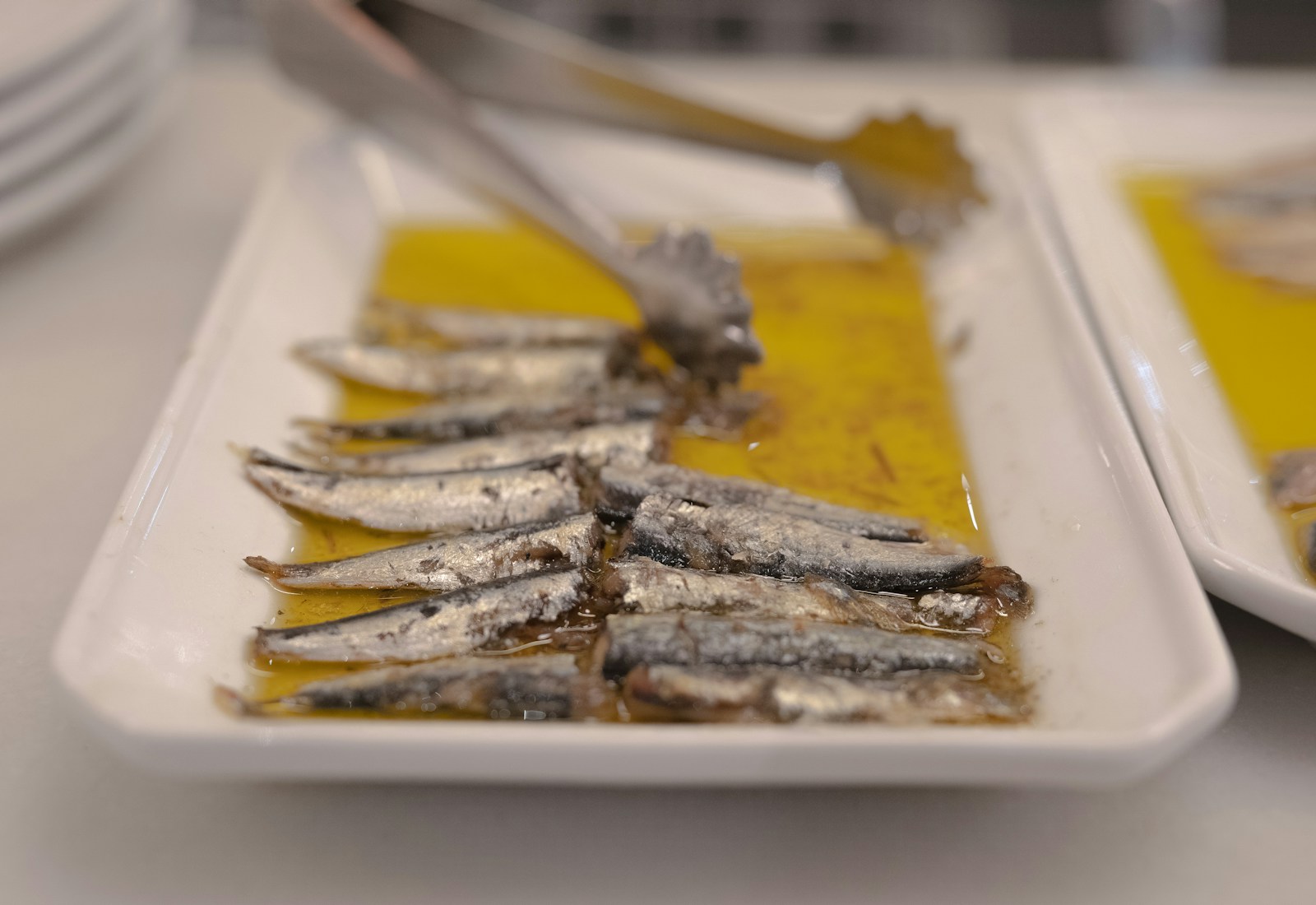
You probably picture a tin of oily fish when someone says sardines, and that image explains a lot of the dislike.
Their strong flavor and texture can overwhelm milder dishes, so many people avoid them outright.
If you’ve only had sardines straight from the can, try them grilled or on toast to soften the taste.
Still, the YouGov ranking shows sardines sit near the top of foods Americans commonly dislike, especially among those who prefer blander seafood.
Tofu
You’ve probably seen tofu land near the top of dislike lists, and a recent YouGov ranking of America’s most hated foods places it high.
It’s bland on its own but soaks up flavors, which means your experience often comes down to preparation.
If you haven’t liked it yet, try marinating, pressing, or crisping tofu — small changes can make a big difference.
Beets
You’ve probably met someone who refuses to eat beets — and you might understand why. Their earthy, sometimes metallic flavor and soft texture divide diners quickly.
If you grew up with canned beets, your dislike could come from sweetness and soggy texture. Roasted or pickled beets taste different and can win you over if you try them prepared another way.
A national map of hated foods highlights beets among regional dislikes, showing your aversion isn’t unusual.
Grits
You’ll run into grits if you spend time in the South; they’re a breakfast staple with a creamy, porridge-like texture.
Some people love them plain; you’ll find others only enjoy grits piled with butter, cheese, or shrimp to add flavor.
If texture throws you off, try stone-ground grits or a well-seasoned preparation before dismissing them.
A national map of hated foods shows grits divide opinions regionally, reflecting how much local context shapes what you’ll enjoy: Map reveals most hated foods in the US.
Mayonnaise
You’ve probably encountered a strong split over mayo at the table.
Many people react to its texture and creamy richness, while others love its versatility as a spread or base for dressings.
If you dislike mayo, try swapping in mustard, hummus, or avocado for similar moisture without the same mouthfeel.
For fans, a little mayo can smooth flavors and bind ingredients in salads and sandwiches.
Lima Beans
You probably know lima beans as the soft, starchy vegetable that shows up in casseroles and pot pies.
Many people dislike their mealy texture and mild flavor, which can feel bland when overcooked.
If you’ve tried them boiled to mush, that experience explains a lot of the dislike.
Cooked properly, they’re creamy and mild, and you can boost them with herbs, butter, or a bright vinaigrette.
You don’t have to love them, but a different cooking method can change your mind.
Brussels Sprouts
You probably know Brussels sprouts as one of those veggies that splits a room.
Their strong, sulfurous aroma when overcooked turns off many people, though proper roasting brings out a nutty sweetness you might like.
You’ll see them on hate lists but also on trendy menus; opinions vary by preparation and nostalgia.
If you haven’t tried them crisped with olive oil and salt, it’s worth a shot before you write them off.
For more on where they land in national dislike rankings, check this map of America’s most hated foods.
Black Licorice
You probably know someone who refuses to touch black licorice, and you might be one of them. Its strong anise flavor tastes medicinal to many, which explains why nearly half of Americans list it among their least favorite foods according to polling like Instacart’s Most Polarizing Foods.
If you do like it, you tend to either love it or hate it — there’s little middle ground. The candy’s distinct profile and herbal bite make it an acquired taste for most palates.
More from Cultivated Comfort:
- 7 Vintage Home Items From the ’60s That Are Collectors’ Dream Finds
- 7 Vintage Home Goods That Became Collectors’ Gold
- 7 Fast-Food Chains That Changed for the Worse
- 7 Frozen Dinners That Were Better Back in the Day

As a mom of three busy boys, I know how chaotic life can get — but I’ve learned that it’s possible to create a beautiful, cozy home even with kids running around. That’s why I started Cultivated Comfort — to share practical tips, simple systems, and a little encouragement for parents like me who want to make their home feel warm, inviting, and effortlessly stylish. Whether it’s managing toy chaos, streamlining everyday routines, or finding little moments of calm, I’m here to help you simplify your space and create a sense of comfort.
But home is just part of the story. I’m also passionate about seeing the world and creating beautiful meals to share with the people I love. Through Cultivated Comfort, I share my journey of balancing motherhood with building a home that feels rich and peaceful — and finding joy in exploring new places and flavors along the way.