
Living next to the wrong neighbor can turn a peaceful home into a nightmare scenario. For one Reddit user, who recently shared their ordeal on the popular “Neighbors from Hell” thread, this nightmare became a reality when their neighbor built a gigantic house alarmingly close to their property line, causing a cascade of subsequent issues.
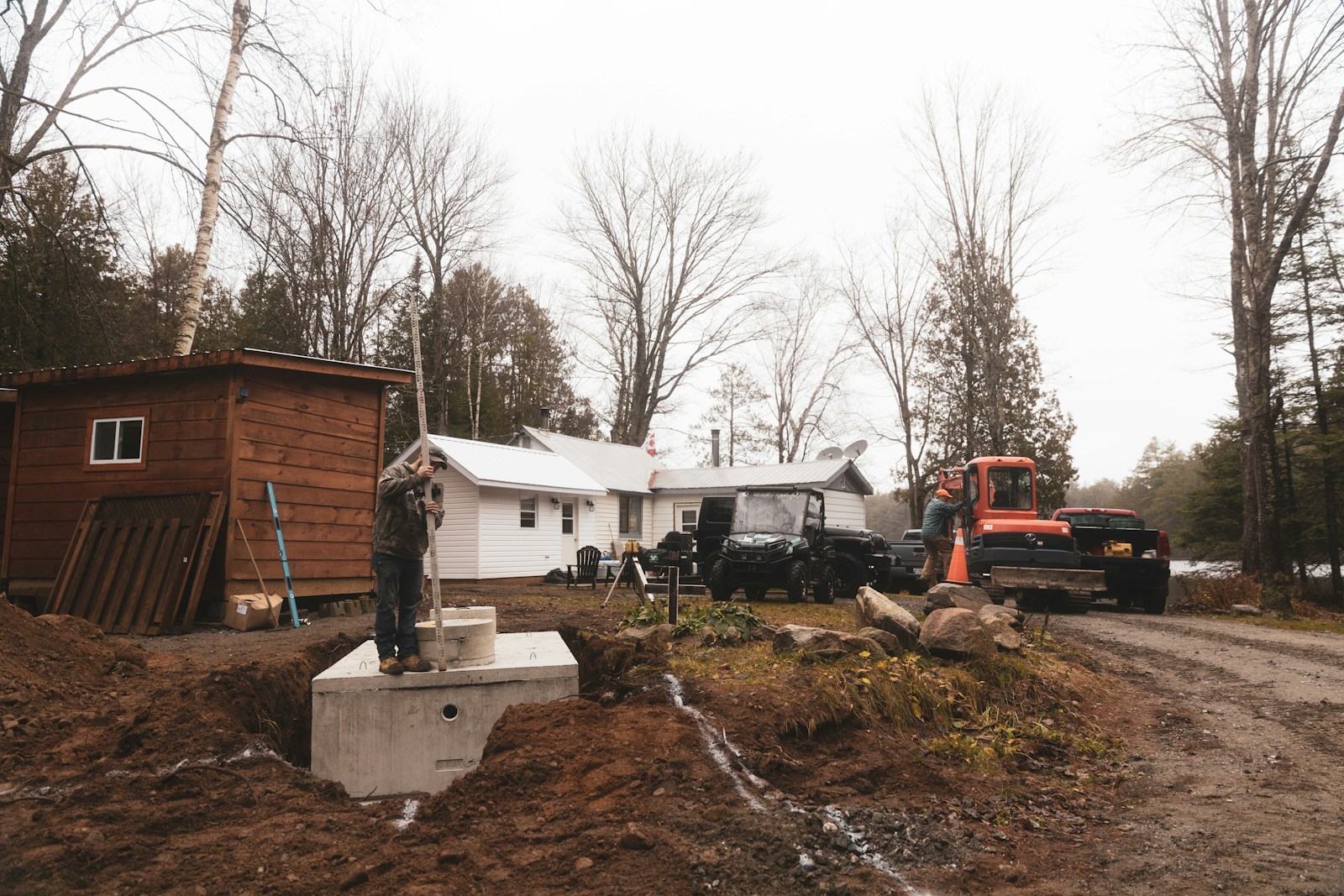
The homeowner was dismayed to discover that the new resident next door constructed their sprawling abode a mere 12 feet from the property line. This close proximity alone was concerning, but recently, the situation escalated to another level—a septic tank installation scheduled just 23 inches above the grade of the shared boundary. For those unaware, having a septic tank positioned at such a height raises immediate red flags, especially when considering the natural flow of waste and water downwards.
Concerned about the practical implications of such a decision, this homeowner expressed their fears about what might happen once the system is operational. With gravity being a constant force in their lives, there is a genuine worry that waste could end up in their backyard, turning their slice of paradise into a potential hazard. The thought of sewage seeping into their yard is not only a matter of health but also one of property value—a situation that most homeowners strive to avoid at all costs.
The narrative is all too familiar for many who have dealt with similar neighborly disputes. The tension often arises from differences in property rights, development regulations, and a lack of communication. It’s an unfortunate reality that some homeowners don’t consider the implications their choices may have on their neighbors. In this case, the Reddit user pointedly noted that previous encounters with their neighbor left much to be desired; there was an evident disregard for the disruption their actions had caused.
For anyone facing a similar situation, it raises the question of what avenues are available for recourse. Legal advice often emerges as a suggested course of action. Consulting with a property lawyer can provide clarity on local zoning laws and regulations pertaining to the installation of septic tanks and other structures. Understanding one’s rights and the applicable guidelines can empower homeowners to take appropriate steps—whether that means negotiating with their neighbor or taking further action if necessary.
Another route may involve reaching out to the local planning or health department. Most areas have strict regulations regarding septic systems, including minimum distance requirements from property lines and other dwellings. By bringing the issue to the attention of the proper authorities, the affected homeowner may be able to ensure that their neighbor’s installation complies with these rules, protecting their property and peace of mind.
Of course, every situation is unique, and solutions may vary in effectiveness. The homeowner in question found themselves grappling with the emotional toll that such conflicts can take. The stress of worrying about potential sewage issues and other disturbances can significantly diminish the joy of home ownership—a dream that many aspire to achieve.
In addition to legal and regulatory avenues, the issue also highlights the importance of community relations. While some may prefer to keep to themselves, establishing a line of communication with neighbors can be invaluable. Discussing worries openly may help to alleviate tensions and promote a better understanding of each party’s rights and responsibilities. However, in circumstances where previous interactions have proven unproductive, this may be more difficult to accomplish.
As the initial poster awaits guidance and solutions, their story serves as a cautionary tale for others. It is a reminder that even the most idyllic living situation can become fraught with issues when neighbors fail to respect shared boundaries—both physical and communicative.
Ultimately, as this homeowner navigates their concerns about their neighbor’s septic tank installation, they may serve as an advocate for others facing similar situations. Sharing their experience can help illuminate the complexities of neighborly relationships and the importance of understanding property laws, ultimately fostering a more informed and engaged community.
More from Cultivated Comfort:
- 7 Vintage Home Items From the ’60s That Are Collectors’ Dream Finds
- 7 Vintage Home Goods That Became Collectors’ Gold
- 7 Fast-Food Chains That Changed for the Worse
- 7 Frozen Dinners That Were Better Back in the Day