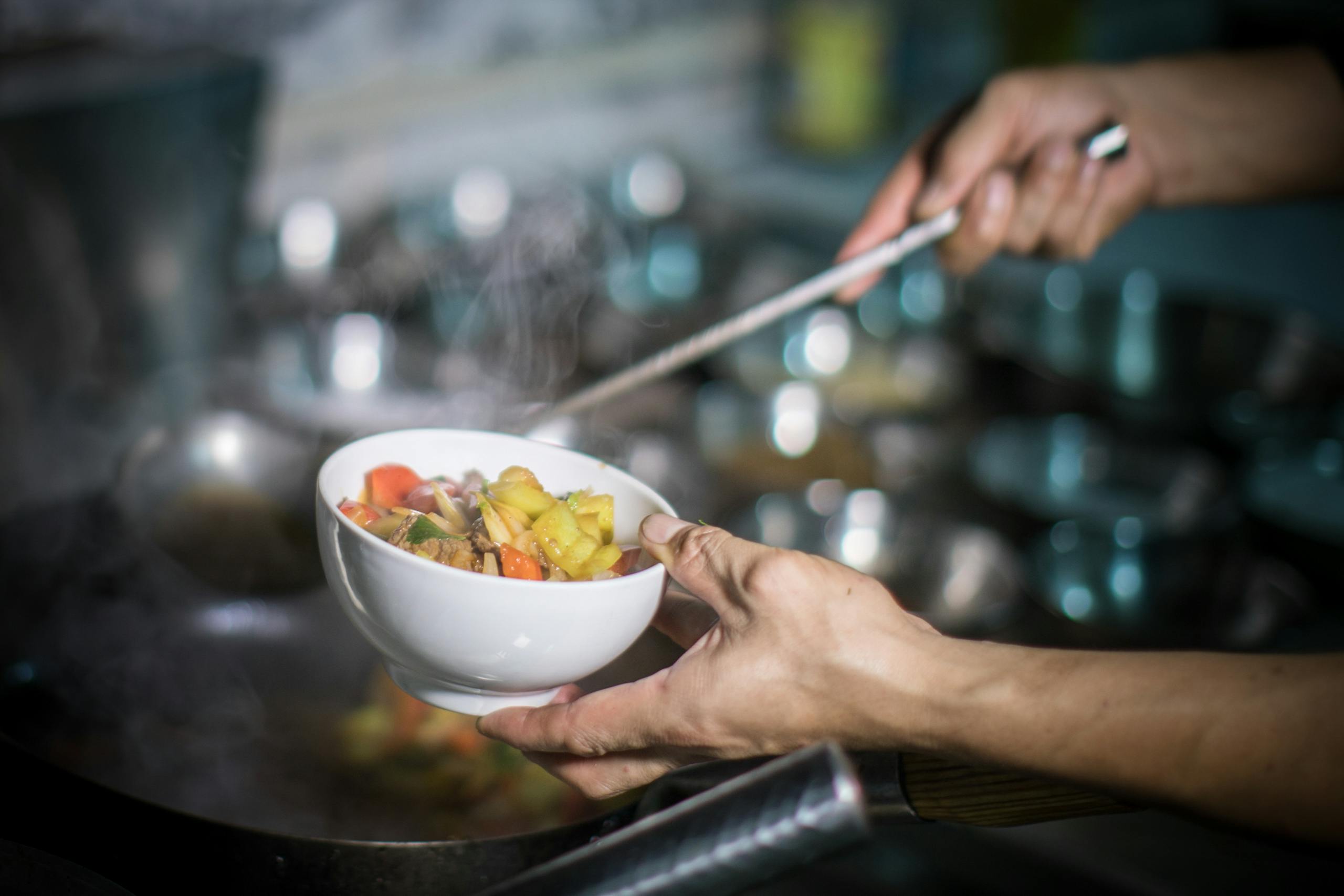
Last night, Reddit user RavennaNyx1 found herself navigating a dinner-table minefield that would put any child’s meal experience to the test. The conflict began when her mother, recovering from a fever and with little patience, decided to serve what she thought was a delightful dish: stir-fried pineapple. For many, this would be a sweet addition to the plate, but for Ravenna, it represented more than just a culinary choice; it was a deep source of anxiety and turmoil.
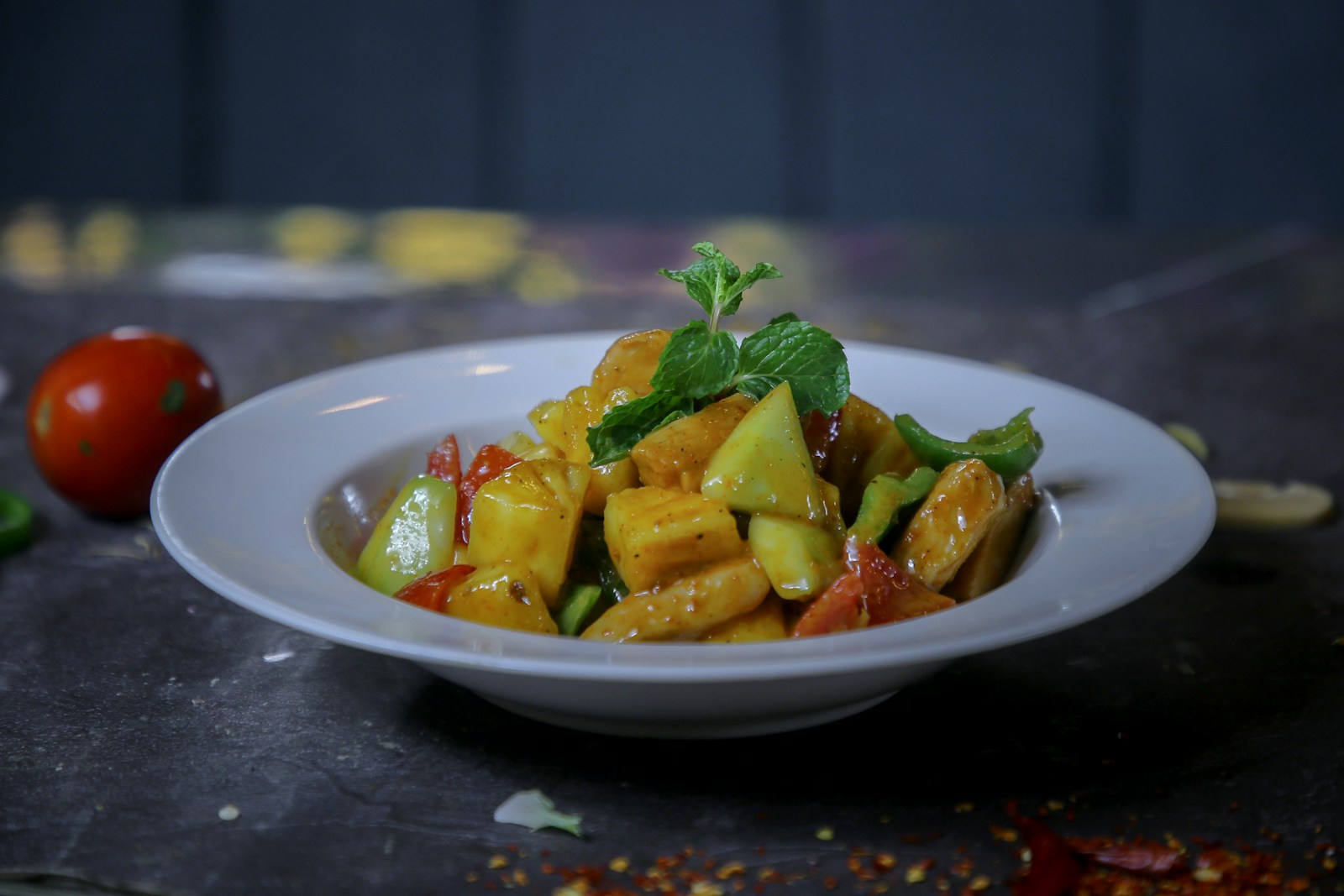
Ravenna has always been a picky eater, not out of mere preference, but due to a physical reaction she has whenever she tries unfamiliar foods. A small bite of something that doesn’t sit well with her isn’t just unappetizing; it often leads to vomiting. Having battled this aversion for years, she approached dinner with caution but also with a sense of compliance, especially when her mother insisted she “just try it.”
Initially, Ravenna asked about the dish on her plate, hoping for some comfort in knowing what she was about to consume. When her mother dodged her queries with playful remarks, Ravenna sensed the tension brewing. With her mother’s short temper bubbling beneath the surface and given her recent illness, Ravenna took a tiny bite, hoping to appease her mother without stirring the pot further. But when the truth came out—when her mother finally admitted that the dish contained pineapple—everything began to unravel.
“I can’t eat that,” Ravenna thought, feeling the dread wash over her. The very thing her mother had tricked her into trying was also the very thing that could lead to a disastrous outcome in her stomach. She didn’t want to cause a scene or upset her mother further, so she stayed silent, hoping that the moment would pass. However, her mother’s relentless probing only intensified the situation. Instead of understanding, Ravenna faced a barrage of accusations: she was called arrogant, selfish, and ungrateful for not appreciating the effort that went into cooking the meal.
The tension escalated, and as her parents finished their dinner and rose from the table, her mother laid down her ultimatum. Ravenna was ordered to finish her plate before leaving the table—a chore that turned into an agonizing hour and a half of silent standoff. Surrounded by the remnants of the stir-fried pineapple, she felt helpless, caught between her physiological reaction and her mother’s impatience.
When her father stepped in, attempting to mediate the escalating situation, he was met with backlash himself. With a careful, sensitive approach, he suggested to her mother that it wasn’t right to force their daughter to eat something she couldn’t handle. Instead of taking his side, her mother lashed out in frustration, further complicating the family dynamics at the table. In the midst of all this, Ravenna felt like an outsider in her own home, trapped in a battle where her voice seemed to matter the least.
After what felt like an eternity, her mother finally softened slightly and allowed her to dump the remaining food in the waste. Ravenna’s relief was short-lived, however, as she faced her mother’s guilt-tripping comments and was told it was her fault for cooking for such a difficult child. Despite an attempt at reconciliation before bedtime, where they exchanged small talk, the next day brought a chilly distance between them. Ravenna sensed that her mother’s anger had not truly dissipated, and her efforts to reach out were met with cool indifference.
Readers were quick to weigh in on the situation, but the heart of the issue remained: Ravenna’s struggles with food were not a matter of stubbornness but rather a psychological barrier that she had been trying to overcome. Her mother’s approach, shrouded in frustration and misunderstanding, only deepened the divide between them. It left many wondering if the real issue lay in communication and empathy rather than the plate of stir-fried pineapple at the center of it all.
As Ravenna decided to reach out for support and possibly explore therapy, she was left to ponder the complexity of family dynamics fueled by dietary preferences and emotional responses. Would her mother ever understand her struggle? Only time would tell.
More from Cultivated Comfort:
- 7 Vintage Home Items From the ’60s That Are Collectors’ Dream Finds
- 7 Vintage Home Goods That Became Collectors’ Gold
- 7 Fast-Food Chains That Changed for the Worse
- 7 Frozen Dinners That Were Better Back in the Day