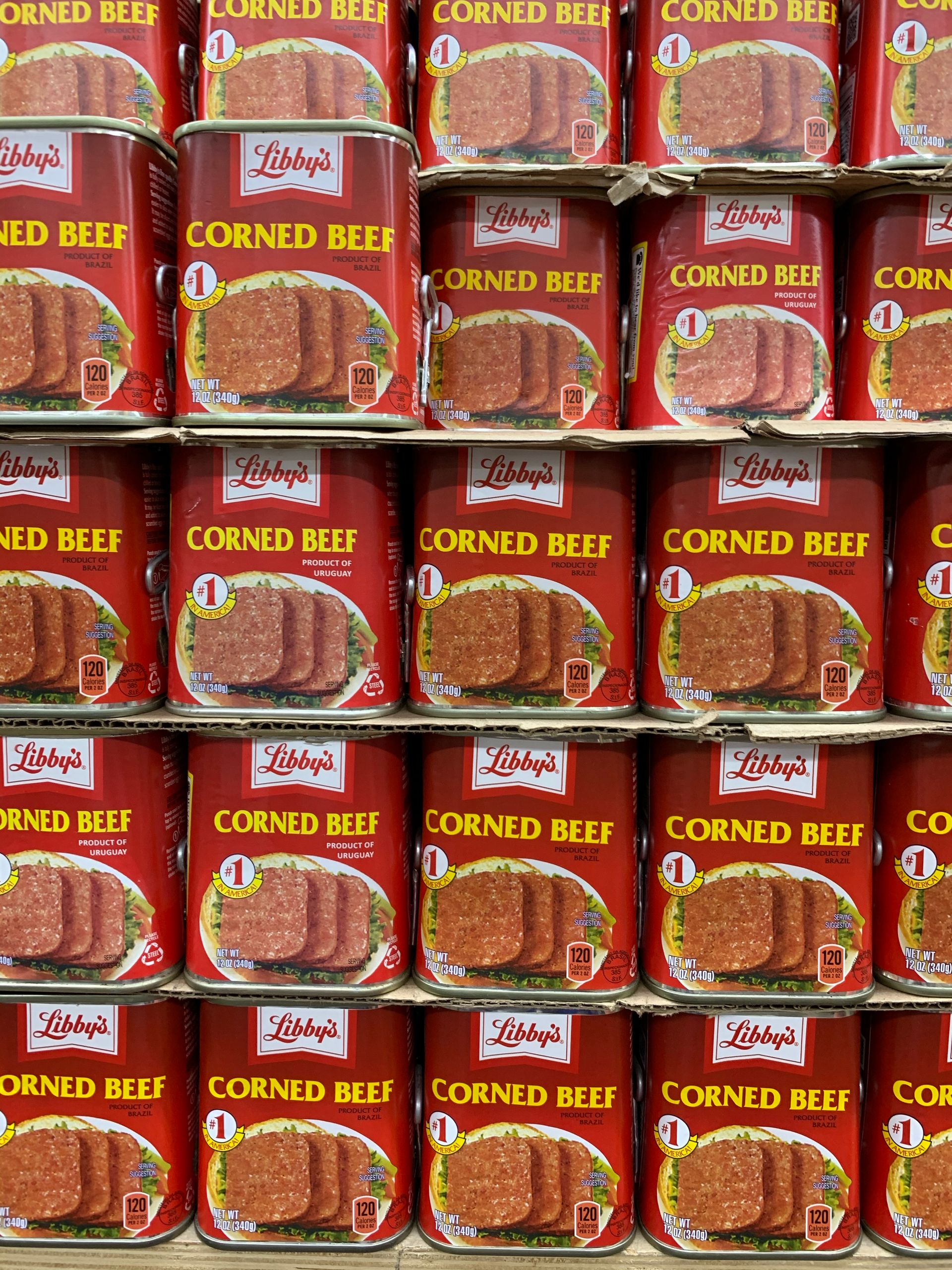
City Foods, Inc. has recalled roughly 3,215 pounds of ready-to-eat pastrami and corned beef after inspectors flagged possible Listeria monocytogenes contamination, according to the recall notice posted by the USDA’s Food Safety and Inspection Service. The Chicago company’s pastrami and corned beef brisket shipped to foodservice accounts in three states before moving further into the national supply chain, right as households restock lunch supplies for the new school year.
Key Points
- Products recalled: Midamar Premium Beef Pastrami (case code 19410), Bea’s Best Cooked Corned Beef Brisket (case code 18919), and Kirsch Delicatessen Style Cooked Corned Beef Brisket (case code 19751)
- Quantity: approximately 3,215 pounds, produced July 16, 2026
- Distribution: shipped to foodservice locations in Illinois, Iowa, and Michigan, then further distributed nationwide
- Reason: possible Listeria monocytogenes contamination discovered during routine inspection activities
- Illnesses: none confirmed as of the recall announcement
- Shelf life: products carry a 60-day shelf life, meaning some could still be sitting in coolers into mid-September

Because this is bulk foodservice product, packed in 10-pound boxes of pastrami and 20-to-30-pound boxes of corned beef brisket, most households won’t find a matching label in their own kitchen. The real exposure risk runs through delis, sandwich counters, and cafeterias that sliced or served this meat without ever attaching a retail barcode to it. The case codes tying a product to this recall live on the shipping box, not on the butcher paper a customer carries home from the counter.
That distinction changes how families should respond this week. If you bought pastrami or corned beef by the pound at a deli counter recently, or if your kids’ school cafeteria serves cold-cut sandwiches, the safest move is asking the counter or the school which distributor supplied the meat rather than assuming your own fridge is clear. The caution matters most for pregnant people, adults 65 and older, and anyone with a weakened immune system, the three groups the CDC’s own guidance on who faces the highest risk from Listeria infection identifies as facing the highest odds of severe illness.
The stakes justify that extra step even without a confirmed illness tied to this specific recall yet. Per the CDC’s breakdown of Listeria symptoms and severity, invasive listeriosis kills almost one in six non-pregnant adults who contract it, and pregnant women who get infected have roughly a one-in-four chance of losing the pregnancy or the newborn shortly after birth. Symptoms of invasive illness can take up to two weeks to show up, while the milder intestinal version usually appears within 24 hours and resolves in a few days on its own.
City Foods says the contamination surfaced through FSIS’s own routine inspection work, not a consumer complaint or a reported illness cluster, and the recall notice directs any institution holding the affected boxes to discard or return the product. For home cooks, the response isn’t panic, it’s a five-minute check: if pastrami or corned beef has been in your refrigerator since midsummer and you can’t confirm where the counter sourced it, ask before it goes into tomorrow’s lunch.