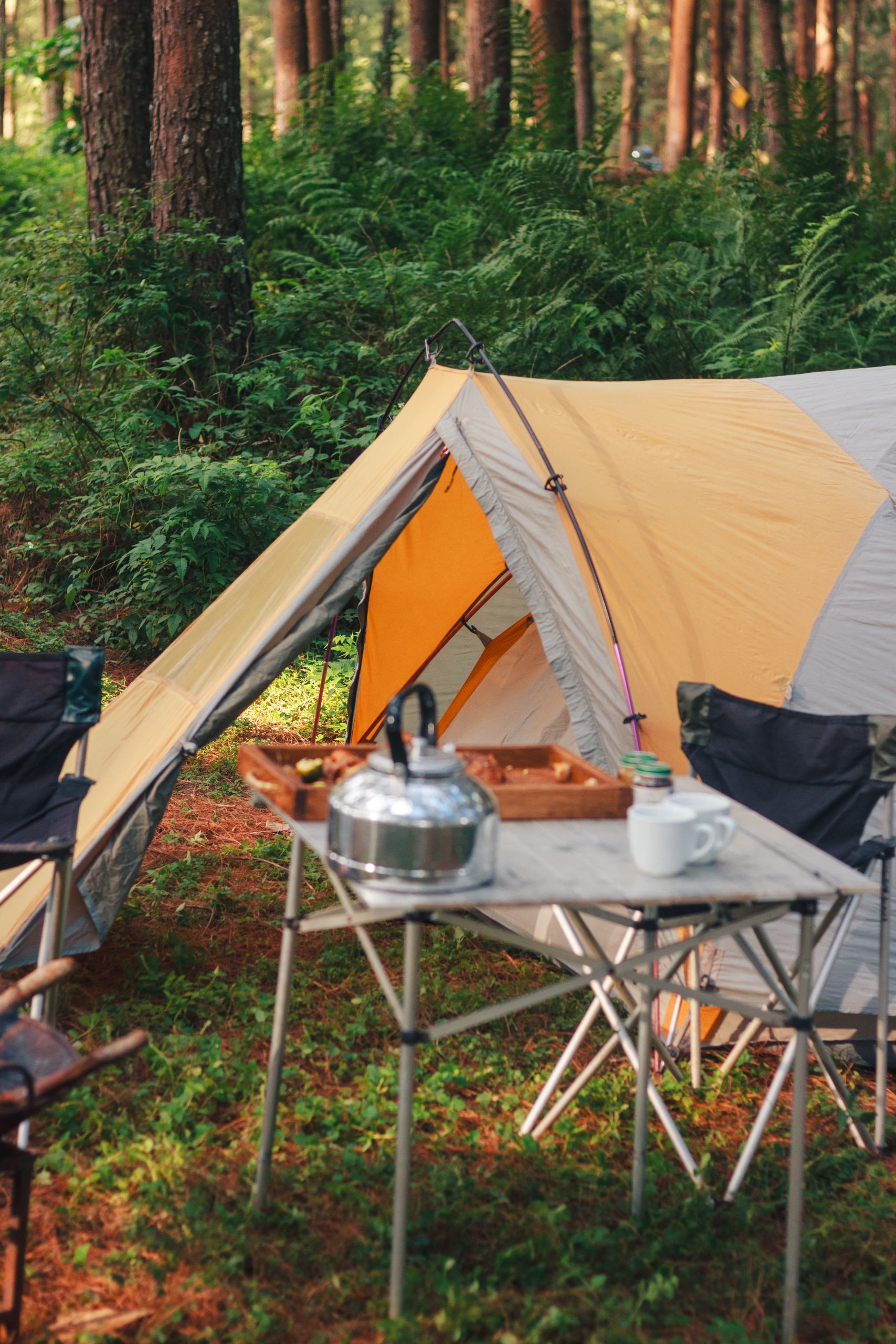
Glamping now accounts for 29% of all camping trips in North America, according to KOA’s own 2026 Camping and Outdoor Hospitality Report, up from a niche curiosity a decade ago to nearly a third of an entire industry. More than 52 million North American households camped in 2025, a figure that now exceeds pre-pandemic levels, and the sector generated $66 billion in local community spending, up $5 billion from 2024. The growth isn’t really about tents versus cabins. It’s about what campers say they’re actually looking for once they arrive, and increasingly, that’s an escape from their phones, not just their houses.
The numbers behind the boom
Campers spent more than $200 a day per person on average in 2025, not counting lodging, according to KOA’s report. That spending, spread across 52 million-plus households, is what adds up to the industry’s $66 billion economic footprint. The growth shows no sign of leveling off: 31% of campers surveyed said they plan to spend more nights camping in 2026 than they did the year before.

Glamping’s rise inside that broader boom is the more interesting story. Nearly a third of all camping trips now involve glamping-style accommodations, and 31% of new campers, people trying it for the first time, are choosing glamping as their entry point rather than pitching a tent. For an industry once defined by roughing it, that’s a meaningful shift in who’s showing up and why.
What campers say they’re actually chasing
The report’s wellness data is where the “digital detox” framing holds up. Forty-nine percent of campers say they intentionally book trips specifically to improve their mental wellbeing, and half prioritize experiences that help them recharge. Mental wellbeing now ranks as the top motivator for camping across every generation KOA surveyed, from Gen Z to Boomers.
Just as telling is what campers say they don’t want. Seventy-seven percent said simply being in nature is enough, without structured activities or programming layered on top. That’s a direct contrast to the packed-itinerary model that’s dominated a lot of travel marketing in recent years, and it lines up with what other researchers are finding about travel broadly this year. Separate reporting on 2026 family travel trends found that more than half of parents and grandparents now build deliberate screen-free periods into vacations, and that 84% of families are actively seeking device-free play time for kids.

It’s also about community, not just solitude
The wellness angle isn’t purely about being alone with nature, either. Seventy-five percent of campers describe campgrounds as a modern “third place,” a term for social spaces outside home and work, where they build genuine community. That plays out differently by generation: 43% of Gen Z campers say they form lasting bonds with other guests, 40% of Millennials say interactions with camp neighbors make trips more memorable, and 51% of Boomers report at least one meaningful interaction per trip.
That combination, solitude from screens paired with connection to actual people, is arguably the real product campgrounds are selling in 2026, more than any specific amenity. KOA CEO Toby O’Rourke put it plainly in the company’s own release: “Camping isn’t a niche market, it’s a meaningful pillar of North America’s travel economy,” and, per the report, a vital community resource as well.
What this means for planning a trip
If you’re weighing a camping trip against a more conventional vacation this year, the data suggests the appeal isn’t really about cost-cutting anymore, even though camping remains cheaper than most hotel-based trips. It’s about a specific kind of unstructured downtime that’s gotten harder to find anywhere else, paired with the option to actually talk to the people camped next to you instead of scrolling past them.
For anyone new to camping and hesitant about tents and campfires, glamping’s growth is worth noting: nearly a third of first-time campers are choosing it precisely because it lowers the barrier to entry without giving up the actual point of the trip. Whether that’s a yurt, a safari tent, or a fully outfitted cabin depends on budget and campground, but the underlying motivation, logging off somewhere quiet, is now driving the entire outdoor hospitality category, not just its glamping corner.
Camping used to be sold as an escape from cost. Increasingly, it’s being sold, and bought, as an escape from everything else.