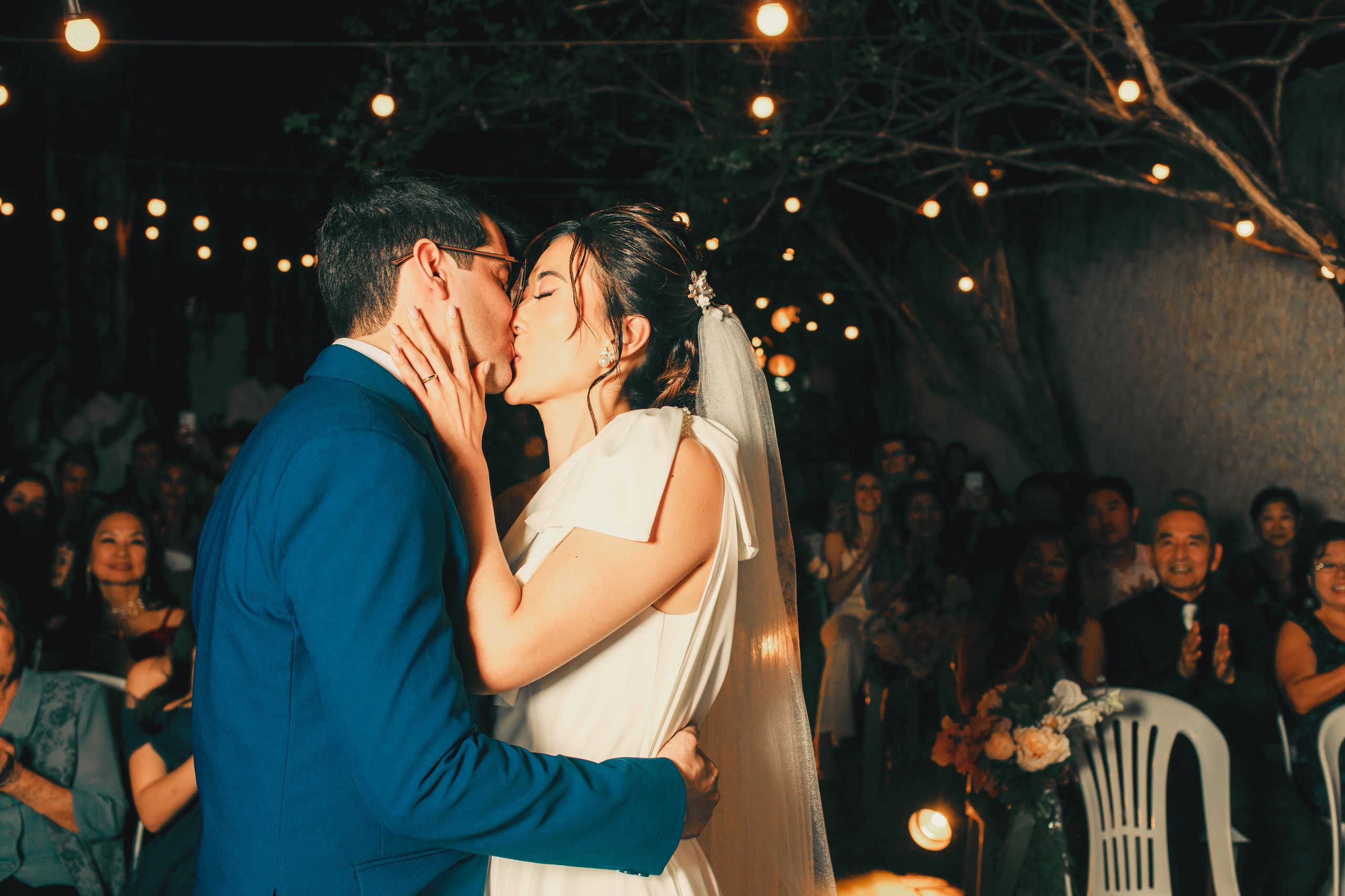
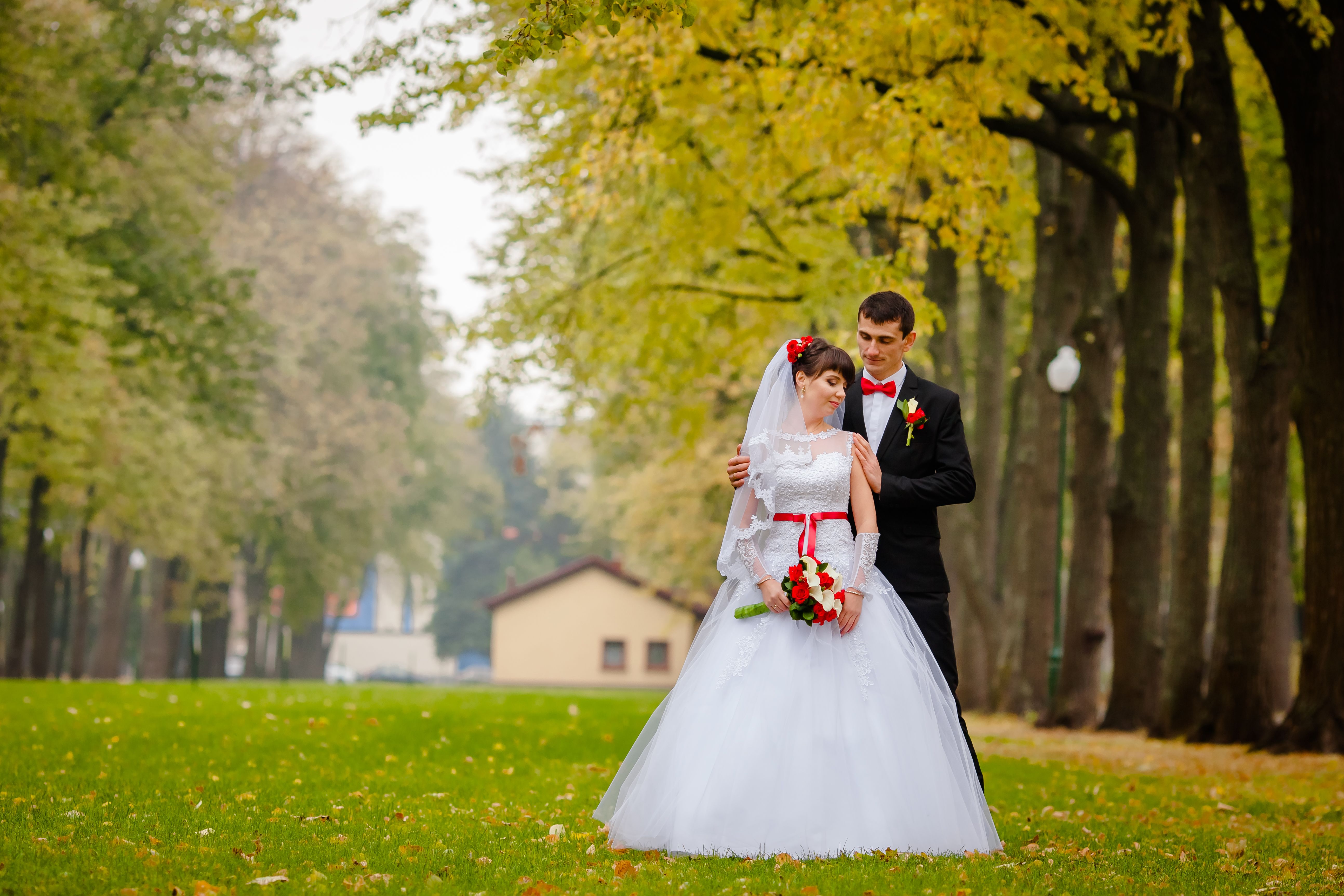
October has overtaken June as the single most popular month to get married in the U.S., according to The Knot’s 2026 wedding data — a real reversal from just over a decade ago, when June still held the title. The Knot’s Real Weddings Study, built from more than 10,000 U.S. couples married in 2025, found fall has been the country’s most popular wedding season every year since 2015. Independent booking data from WeddingWire backs it up: October now sits at the top outright, while June has slipped to third place behind September. For couples racing to lock down venues, the fall rush is real, and it’s still growing.
The Numbers Behind the Switch
WeddingWire’s own month-by-month ranking puts October in first place, September second at 15% of weddings, June third at 13%, followed by May at 11% and August at 10%. Fall overall now accounts for 36% of U.S. weddings, ahead of summer’s 31%. The Knot’s independently collected data lines up: more than 67% of couples married in 2023 chose to marry during summer or fall, particularly in October specifically. Among the five most-booked dates for 2026, three fall in autumn — September 19, September 26, and October 10 — alongside two June dates that once would have dominated the list on their own.
Both data sets point to the same turning point. WeddingWire’s research notes that 2015 was the last year June actually held the top spot, and The Knot’s separately gathered numbers confirm fall has ranked as the most popular wedding season every single year since. Two companies, two different survey pools, one matching timeline.
June Had a 2,000-Year Head Start
June’s dominance wasn’t an accident, and it wasn’t recent, either. The tradition traces back to ancient Rome, where the month was dedicated to Juno, the goddess of marriage, and Romans believed marrying in her month brought a stronger union, according to a historical account published by the Collier County Clerk of Court. In medieval Europe, June also landed in a practical gap in the farming calendar, after spring planting and before the demands of harvest, with longer daylight and milder weather making it an easy choice for celebrations. That combination of folklore and agricultural convenience held for centuries — long enough that “June bride” became a cultural shorthand almost nobody questioned. It took modern climate control, a shift away from agrarian scheduling, and a growing appetite for foliage-driven wedding photography to finally knock it out of first place.
Why Couples Are Choosing Fall
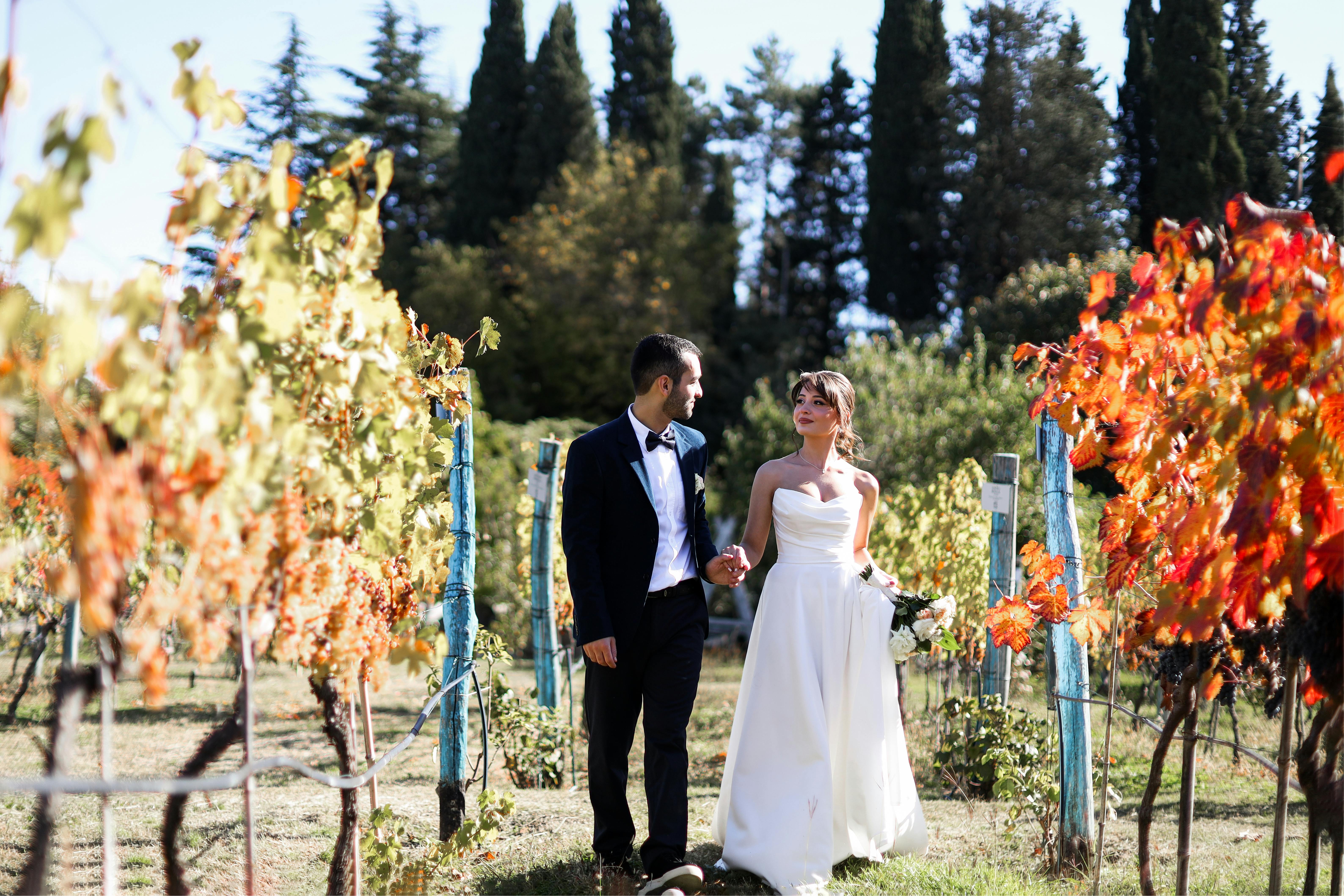
The appeal is practical as much as aesthetic. Fall offers cooler temperatures without the risk of winter cold, dramatic foliage for photos that need no extra styling budget, and a way to sidestep both peak summer heat and hurricane-season risk in parts of the country. The Knot’s data shows 17% of couples call their wedding date the single most important decision in the entire planning process, and couples now book an average of 13 vendors for their wedding — a fall date’s built-in color palette can trim what a couple would otherwise spend dressing up a summer venue.
What It Means If You’re Planning a Wedding
With October Saturdays now among the most competitive dates on the calendar, popular fall venues are booking out further in advance than summer ones used to. Couples chasing a fall wedding should expect earlier booking windows, and in many markets, pricing that reflects the demand a June date used to command a decade ago. The Knot’s own guidance on wedding seasons notes that May through October now accounts for 76% of all U.S. weddings, with vendor demand — and prices — climbing accordingly during that stretch, while December sits at the opposite extreme as the least popular month at just 1% of weddings. The trade-off for couples locking in a fall date early is a wedding that looks, by every available metric, like what most other couples are now choosing too, at a price that reflects it.
June didn’t get less romantic. It just stopped being the automatic answer once couples started building their wedding calendar around foliage, budget, and a break from summer heat — and a decade of consistent data suggests that’s not a fad correcting itself anytime soon.