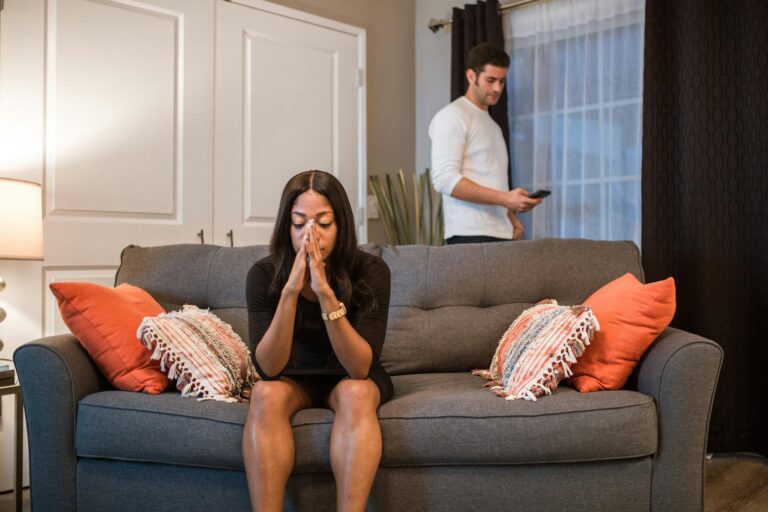

Nearly one in three American adults — 31% — have slept in a separate room from their partner at least occasionally, and the age group doing it most isn’t retirees with an empty nest, according to new survey data from the American Academy of Sleep Medicine. It’s adults ages 35 to 44, at 39%, who are most likely to have tried a so-called sleep divorce. Only 18% of adults 65 and older say the same. The numbers upend a common assumption that couples drift into separate bedrooms once the kids move out and the marriage settles into a quiet routine. Instead, it’s midlife couples — juggling careers, younger kids, and mismatched schedules — who are opting out of the shared bed first.
Midlife, Not Empty-Nest, Is When Couples Split Up the Bedroom
The AASM’s national survey of 2,007 U.S. adults, fielded June 5–13, 2025 with a margin of error of about 2 percentage points, found sleep divorce peaks at ages 35–44 and is lowest among adults 65 and older, according to the AASM’s own published data. Independent reporting from CBS News found the same shape when the data was cut by generation instead of age bracket: 43% of millennials say they’ve slept separately from a partner, compared with 33% of Gen X, 28% of Gen Z, and 22% of baby boomers. Two different cuts of the data, same conclusion — this is a midlife habit, not a late-life one.
It’s Not (Usually) About the Marriage
The behavior behind the numbers looks more like scheduling triage than relationship trouble. Per the AASM survey, 37% of adults say they go to bed earlier or later than they’d actually prefer just to accommodate a partner’s schedule, and 15% use a silent or vibrating alarm specifically so they don’t wake their partner when they get up. Men were more likely than women to report doing both. CBS News’s coverage lists the most common disruptors as snoring, stolen covers, mismatched bedtimes, temperature disagreements, light sensitivity, and nighttime bathroom trips — ordinary friction, not the symptoms of a marriage in crisis.

The Upside Is Better Sleep, Not a Saved Marriage
It’s worth being precise about what the data actually supports here. The AASM survey measures sleep behavior and sleep quality, not relationship satisfaction, and it doesn’t include a statistic claiming that sleeping apart “saves” marriages. What it does support is more modest and, frankly, more useful: a full night of uninterrupted sleep tends to leave people less irritable and less prone to picking fights than a night spent tossing next to a snoring or restless partner. Chronic sleep disruption is consistently linked to shorter tempers and thinner patience, so for a lot of couples, the honest math isn’t “sleeping apart proves love” — it’s that two well-rested people have an easier time getting along than two exhausted ones sharing a mattress.
That connection between sleep and conflict has research behind it beyond this one survey. A study out of UC Berkeley’s psychology department, led by researcher Amie Gordon under professor Serena Chen, tracked couples over two weeks and then brought 71 couples into a lab to discuss real points of tension after reporting on the previous night’s sleep. Poor sleep the night before consistently predicted worse conflict the next day — less emotional understanding of a partner, weaker ability to actually resolve the disagreement, and more unnecessary friction overall, according to the Berkeley researchers’ published findings. Put next to the AASM numbers, the pattern gets easier to read: couples aren’t sleeping apart because they’ve stopped caring about each other. Plenty are sleeping apart specifically so they don’t turn into worse versions of themselves at 7 a.m.
The Trend Is Showing Up in Home Design, Too
The shift is visible outside of survey data as well. Architects have reported a rise in requests for dual primary suites — two separate main bedrooms in the same home, often connected by a shared closet or bathroom — a design so linked to this trend that industry professionals have started calling them “snore rooms,” per reporting on the shift in home design requests. Sleep-tracking technology adds another data point: the sleep company ResMed’s global survey of 30,000 device users found 39% said a partner interrupts their sleep at least weekly, and 93% said the data from their tracker had led them to change something about their sleep habits. None of it points to couples falling out of love. It points to more people simply having the data, and the willingness, to stop pretending a bad night’s sleep together is romantic.
Framed that way, the separate bedroom stops looking like a red flag and starts looking like ordinary problem-solving. A generation raised to treat the shared bed as a relationship checkbox is instead treating it the way it treats most other compatibility issues — as something to solve with logistics, not guilt.