

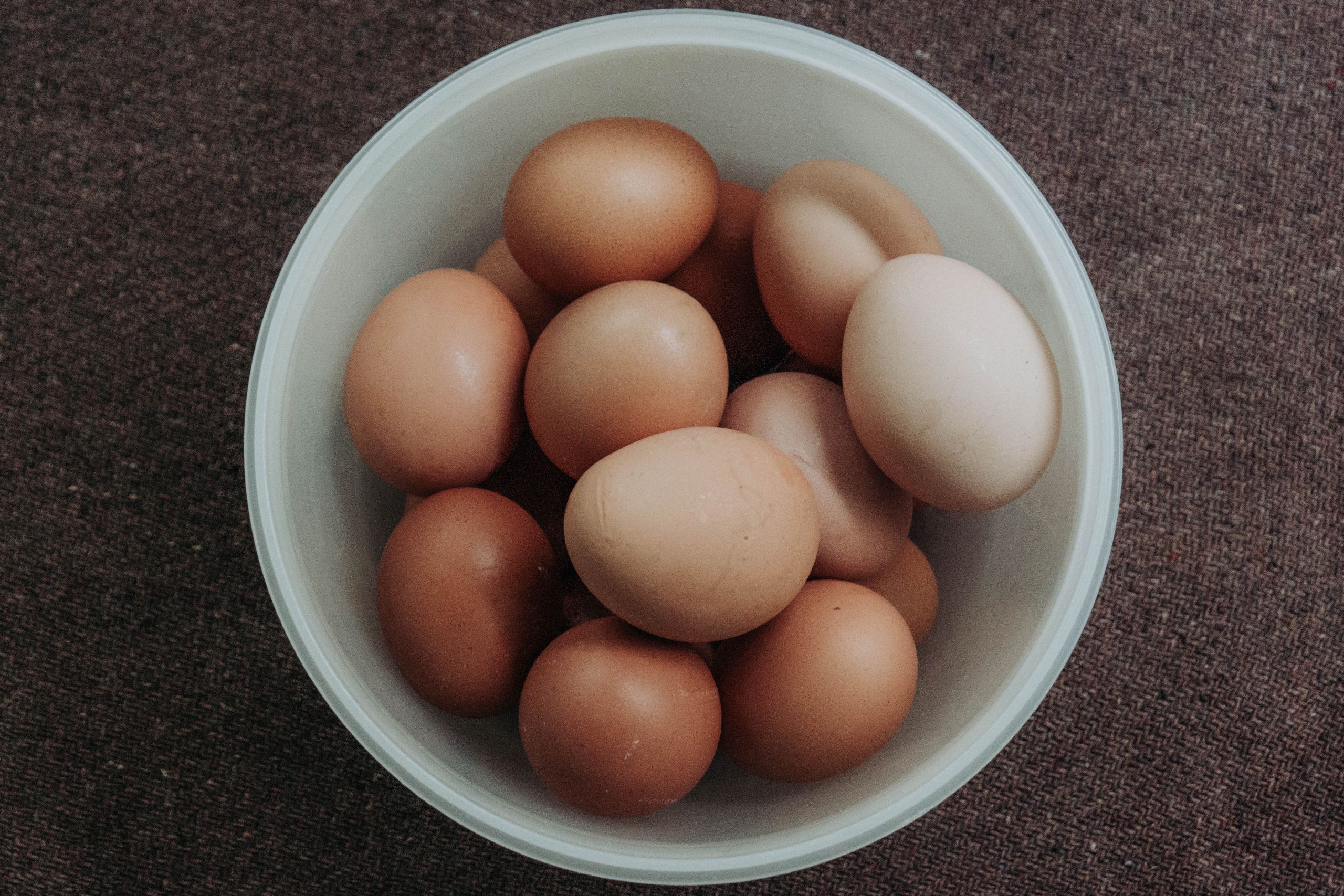

The U.S. Department of Agriculture says retail egg prices are on track to fall 30.8 percent for all of 2026, one of the steepest annual price declines the agency tracks for any grocery item, according to its Food Price Outlook released August 25, 2026. Retail eggs were already 25.7 percent cheaper in July 2026 than in July 2025, and prices slipped another 0.4 percent from June to July alone.
Key Points
- USDA’s Economic Research Service now projects retail egg prices will drop 30.8 percent for 2026, with a possible range between 25.3 and 35.3 percent
- Retail egg prices were 25.7 percent lower in July 2026 than the same month a year earlier
- Wholesale egg prices averaged around 67 cents a dozen in the second quarter of 2026, down close to 28 percent year-over-year, according to local station KAIT
- The decline follows a rebuild of the national laying flock after avian flu culls pushed prices to records in 2022 and again in 2025
Why Eggs Got So Cheap, So Fast
Retail egg prices averaged $2.25 a dozen in April 2026, down 62 percent from a year earlier, according to USDA’s Livestock, Dairy, and Poultry Outlook, cited by The Poultry Site. Fewer highly pathogenic avian influenza detections in early 2026 compared with early 2025, paired with a bigger supply of replacement pullets, let producers rebuild flocks faster than most analysts expected. USDA’s own August report attributes the drop to increased 2026 egg production and enough replacement birds to cover both routine flock turnover and disease losses.
Prices can still swing with new HPAI detections, so USDA cautions the range for its 2026 forecast stays fairly wide. For now, though, a carton of eggs costs meaningfully less than it did even three months ago.

Put the Savings to Work Before Fall Ends
Eggs are the backbone of most fall baking, so a price this low is worth using while it lasts. A loaf of pumpkin bread eats through four eggs easily and freezes well if you want to bake ahead. A baked French toast casserole, assembled the night before and popped in the oven for a weekend brunch, leans even harder on eggs and stretches a loaf of bread further than pan-frying slice by slice. Classic baked custard needs little more than eggs, milk, sugar, and a few cracks of nutmeg, and it’s one of the cheapest desserts in the fall rotation right now. A quiche loaded with whatever vegetables are left in the crisper drawer is another way to lean on cheap eggs for a meal that reheats all week.
If you’re checking your own grocery receipts against these numbers, USDA updates its Food Price Outlook monthly, so watch for the next release to see whether the drop holds through the holidays.
