The situationship, once treated as a harmless placeholder between real relationships, is losing its appeal fast among LGBTQIA+ daters. New research from dating app Hinge finds that queer daters are actively steering away from ambiguity and toward partners who communicate clearly, follow through consistently, and show interest through small, repeated actions rather than grand, occasional ones. The shift comes at a moment when the wider world feels unusually unstable, and daters say that instability is precisely why they no longer have patience for relationships that keep them guessing.
Uncertainty Outside the Relationship Is Changing What People Want Inside One
Hinge’s 2026 LGBTQIA+ D.A.T.E. Report found that 76% of LGBTQIA+ daters say they feel deep uncertainty about the state of the wider world, and that discomfort is spilling directly into how they date. Rather than shutting down or checking out, most are using that uncertainty as a filter. Seventy-four percent said uncertainty actually helps them clarify what they’re looking for in a partner, a response 23% more common among LGBTQIA+ daters than among heterosexual daters surveyed for comparison. LGBTQIA+ daters were also 32% more likely to report experiencing high levels of uncertainty overall, which Hinge’s research ties directly to a preference for slower, steadier dating over fast-moving, ambiguous connections.
That preference shows up clearly in the pacing of relationships. Fifty-two percent of LGBTQIA+ daters said uncertainty makes them move more slowly when dating, compared to 44% of heterosexual daters. And 76% said they’d rather build a connection gradually than lock into a defined timeline, versus 64% of heterosexual daters who said the same. Bisexual daters showed an especially strong version of this pattern, with 83% prioritizing genuine connection over speed, compared to 64% of straight daters.
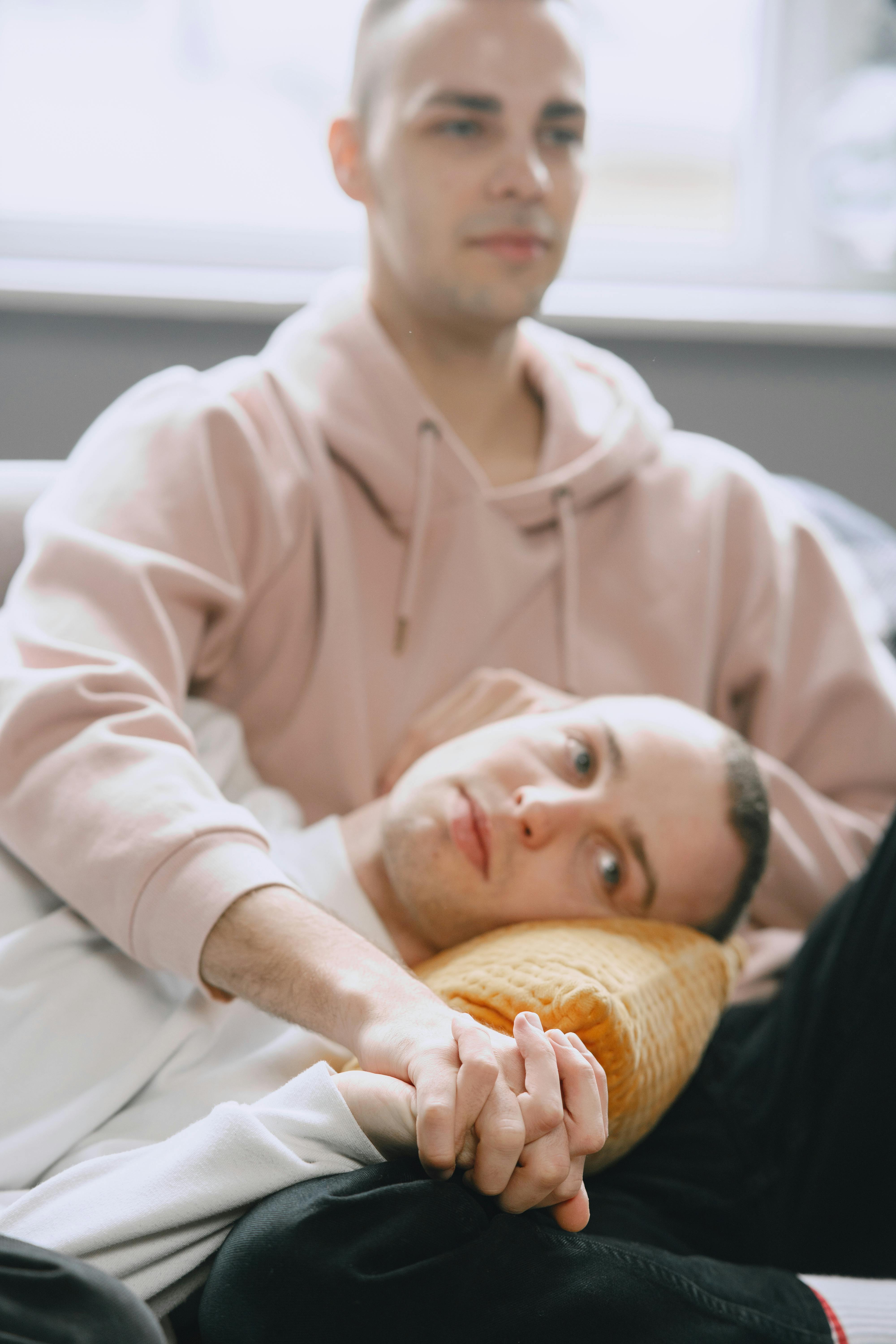
Consistency Is Doing the Work Grand Gestures Used to Do
The report’s most concrete finding is about behavior, not just attitude. Eighty-six percent of LGBTQIA+ daters said consistent communication makes them feel less anxious, and the data shows a clear preference for what Hinge’s research labels small, repeated signals of care over occasional big ones. Respondents were 31% more likely than heterosexual daters to say they need reassurance specifically when facing uncertainty, and 33% more likely to introduce a new partner to friends, both signs that daters are actively testing for staying power rather than taking a partner’s interest on faith.
Before even considering a long-term commitment, LGBTQIA+ daters told Hinge they need certain things established first: 84% said understanding a partner’s values comes before anything else, 80% wanted clarity on comfort levels, and 77% said they needed to understand a partner’s intentions. Moe Ari Brown, Hinge’s love and connection expert, summed up the shift plainly: “Your nervous system registers consistency or inconsistency before your mind catches up.” In a separate comment on the report, Brown put it another way: “In unpredictable times, steady behavior and emotional safety carry more weight than initial sparks.”
What Counts as Being “Wanted” Has Changed
The report also asked directly what makes someone feel desired, and, as additional reporting on the study details, the answers lean heavily toward attentiveness rather than intensity. Eighty-nine percent said they feel emotionally desired when a partner shows genuine curiosity about their life, and 85% said the same about a partner who deliberately makes time for them. Even something as small as a thoughtful check-in text between dates mattered, with 79% saying it made them feel valued. Ninety-five percent said that feeling emotionally desired increases their interest in pursuing something long-term, a nearly universal response that underscores how central emotional attentiveness has become to queer dating culture right now.
For a community that has spent years navigating dating spaces built without them in mind, the emphasis on clarity reads less like a trend and more like a course correction. Brown described communicating desire as “the most underrated skill” for LGBTQIA+ daters specifically, and the data backs that up. Daters aren’t asking for more romance in the abstract. They’re asking for partners who say what they mean, show up when they say they will, and let consistency, not chemistry alone, do the convincing.
Trans and Nonbinary Daters Report the Sharpest Shift
The uncertainty driving all of this isn’t distributed evenly across the community. Ninety percent of trans and nonbinary daters told Hinge they feel heightened uncertainty right now, the highest share of any group in the report, and 81% of LGBTQ women reported the same. For daters navigating both a volatile dating landscape and a broader climate that can feel openly hostile, the desire for partners who are steady and unambiguous carries extra weight. A partner who communicates clearly and follows through isn’t just a preference in that context. It’s a basic form of emotional safety, and the report’s data suggests LGBTQIA+ daters are no longer willing to settle for less of it just to keep a connection alive.
That recalibration also shows up in who gets access to a dater’s inner circle. Being introduced to friends earlier and more often, one of the clearest behavioral markers in the report, functions as a kind of vetting process, a way of testing whether someone fits into a life rather than just a few weeks of texting. Taken together, the report describes a community that has gotten more precise about what it’s willing to invest emotional energy in, not less interested in dating altogether.