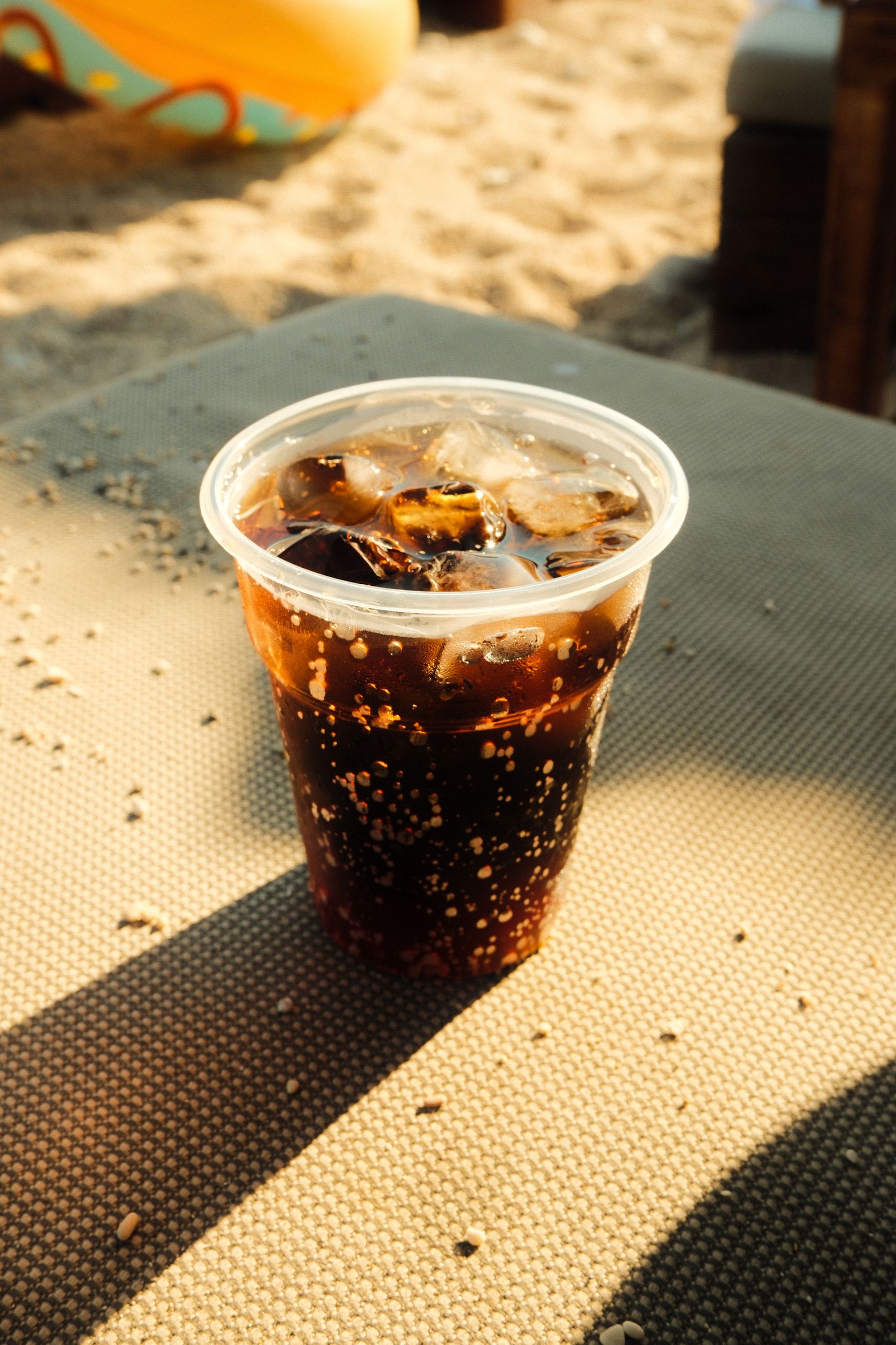
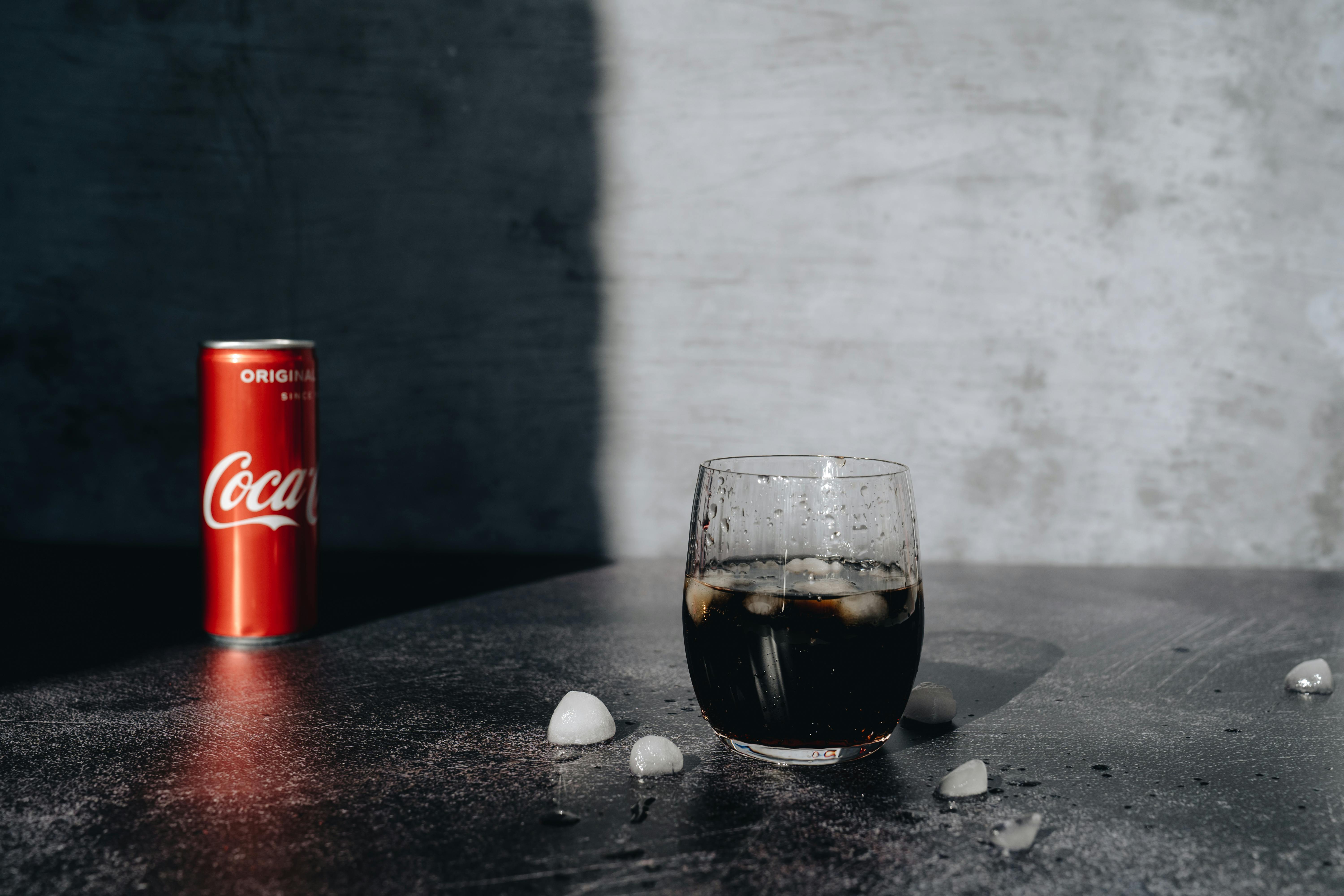
Yelp searches for “dirty soda” are up 609 percent over the past year, according to Campbell’s Foodservice’s 2026 Culinary TrendPulse Report, which tracks how menu trends move from social feeds to actual sales. That’s not a niche uptick — that’s a drink category that barely existed in the mainstream a few years ago suddenly becoming one of the most-searched food terms in the country. A dirty soda, for anyone who hasn’t encountered one yet, is a fountain drink doctored with flavored syrups, cream, and fruit — think a Dr Pepper with coconut cream and lime, or a Coke with a shot of vanilla and half-and-half. It sounds almost too simple to explain a 609 percent search spike. But the numbers around it point to something bigger than a drink trend: Americans are reaching for cheap, customizable, nostalgia-flavored comfort in a year when almost everything else at the grocery store or restaurant costs more than it did last year.
The Numbers Behind the Craze
Campbell’s report doesn’t stand alone. Trade research from the Food Institute found that dirty soda still holds just 2 percent market penetration but is growing at 42 percent annually, while plain soda sales sit flat. Social media mentions of dirty sodas climbed 270 percent in twelve months, and the average dirty soda now sells for about $5.50, itself rising 6 percent a quarter as demand outpaces supply at drive-thru soda shops. Campbell’s own report adds more context to the moment: non-alcoholic drink orders overall are up 64 percent, mocktails are up 21 percent, and nearly 60 percent of consumers say authenticity matters more to them now than it used to. Put together, that’s a portrait of a country drinking its way toward something familiar and fun, even while ordering less alcohol and spending more carefully everywhere else.
Why a Soda Says So Much
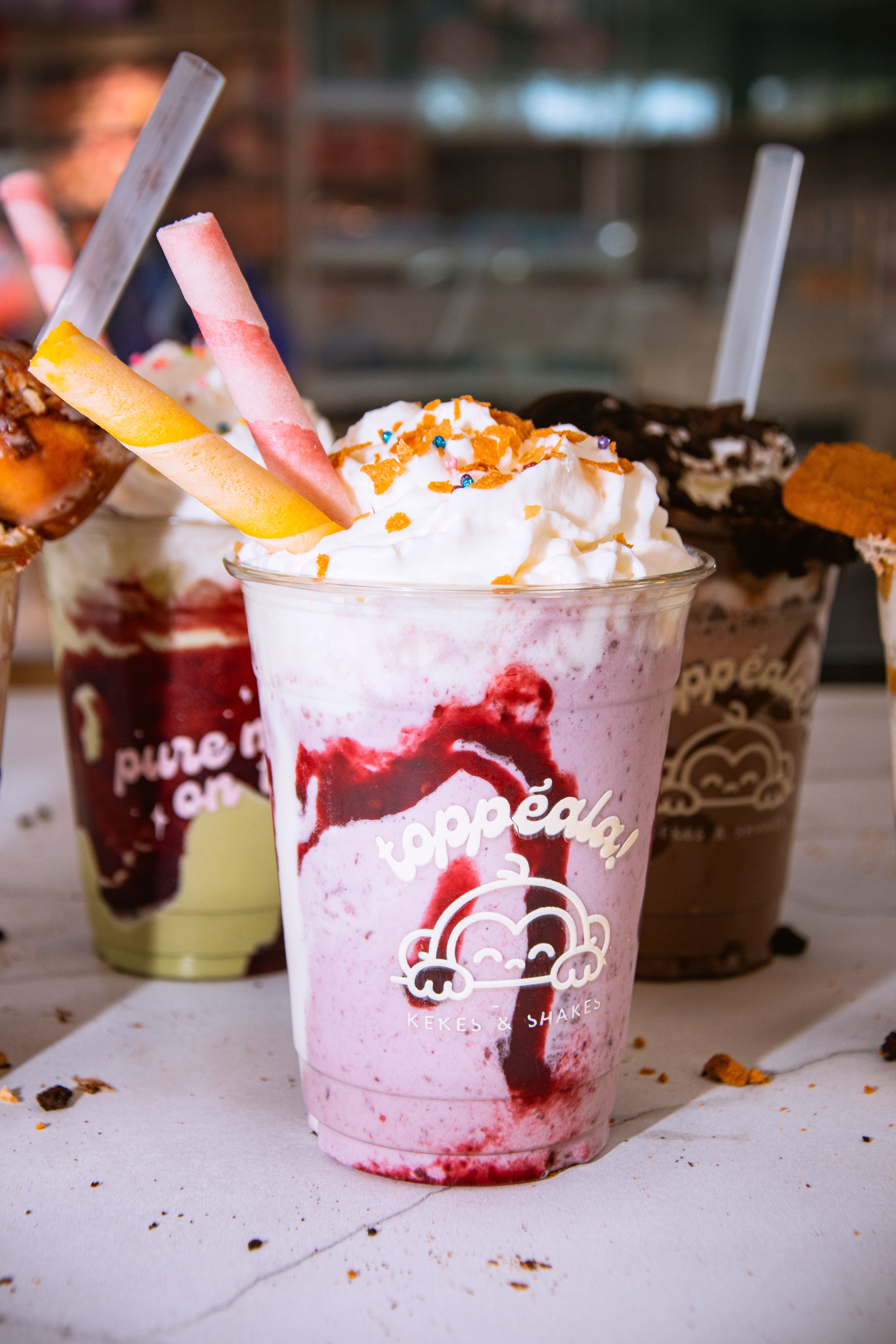
Dirty sodas are cheap to make, endlessly customizable, and — critically — they taste like childhood. Coconut, vanilla, cherry, and cream flavors read as nostalgic rather than novel, which matters in a stretch where grocery and restaurant prices have both climbed. That instinct shows up elsewhere on the menu, too. The National Restaurant Association’s own “What’s Hot” forecast, based on input from nearly 300 professional chefs, ranks comfort foods as the industry’s second-biggest trend for 2026, describing dishes that “evoke happiness and satisfaction” alongside global flavors. A senior economist at the association put it plainly in the report: “It’s not surprising that comforting and nostalgic trends have emerged near the top of this year’s list.” A drink built from Dr Pepper and coconut cream fits that description perfectly — it’s cheap enough to order on a whim and familiar enough to feel like a small win in a hard year.
The Real Story Is Comfort, Not Just Cola
None of this is really about soda syrups. It’s about what people reach for when budgets are tight and stress is high: something small, sweet, and easy that doesn’t require a reservation or a big financial commitment. That’s also exactly why comfort cooking at home is having a moment alongside it. A dirty soda made at the kitchen counter — a can of store-brand cola, a splash of half-and-half, a spoonful of vanilla syrup — costs a fraction of the drive-thru version and takes about ninety seconds to make. The same logic applies to the rest of the trend chefs are naming for 2026: smashed burgers, loaded baked potatoes, elevated mac and cheese, the kind of food that isn’t trying to reinvent anything, just remind people of something good.
What This Means for Dinner Tonight
Read together, the search data, the sales figures, and the chef surveys tell a consistent story. Americans aren’t chasing novelty for its own sake in 2026 — they’re chasing familiarity, dressed up just enough to feel like a treat. A dirty soda is the cheapest, most visible version of that instinct, but it’s really a stand-in for a much bigger shift toward comfort-first eating, whether that means a customized fountain drink, a bowl of homemade chili, or a grilled cheese cut into triangles the way it always has been. The 609 percent spike isn’t really a drink story. It’s a mood ring for how the country is coping, one flavored syrup at a time.