Americans are on pace to spend $1.55 trillion at restaurants and foodservice businesses in 2026, according to the National Restaurant Association’s 2026 State of the Restaurant Industry report — up from $1.4 trillion in 2025. That’s a striking number for an industry that’s also raising menu prices and watching customers count every dollar more carefully. The explanation isn’t that dining out got easier on the wallet. It’s that people kept going anyway, chasing something specific: familiar, feel-good food that’s worth the splurge even when money is tight. When adjusted for inflation, that $1.55 trillion only represents about 1.3 percent real growth — meaning the headline figure is inflated as much by higher prices as by more meals sold. Comfort food is doing a lot of the work keeping people walking through the door.
The Value Hunt Behind the Big Number
The restaurant association’s own data shows customers aren’t spending freely — they’re spending selectively. Eighty-one percent of consumers said access to daily specials, discounts, or value promotions made a difference in where and how they chose to eat, and more than 70 percent said they’d dine out more often if they simply had more money to spend. That’s an industry built on demand that exists but is being rationed — people want restaurant food badly enough to keep the top-line number growing, but they’re increasingly picky about when a meal out is worth it. Jobs are following the same trajectory: the sector expects to add more than 100,000 positions in 2026, reaching roughly 15.8 million restaurant jobs nationwide, even as growth in spending itself slows.
Comfort Is the Word Chefs Keep Using
The restaurant association’s own forward-looking survey backs up the theory that comfort, not novelty, is what’s pulling people back to restaurant tables. Its “What’s Hot” forecast, built from responses of nearly 300 professional chefs, ranks comfort foods as the number-two trend shaping menus in 2026 — dishes described as evoking “happiness and satisfaction,” from smashed burgers to elevated mac and cheese to global comfort-food riffs like Caribbean curry bowls. A senior economist at the association summed up the pattern plainly: “It’s not surprising that comforting and nostalgic trends have emerged near the top of this year’s list.” Put next to the spending data, that’s a fairly clear read — when people do choose to eat out in 2026, they’re reaching for the dish that feels like a safe bet, not an experiment.
What That Means for the Kitchen at Home
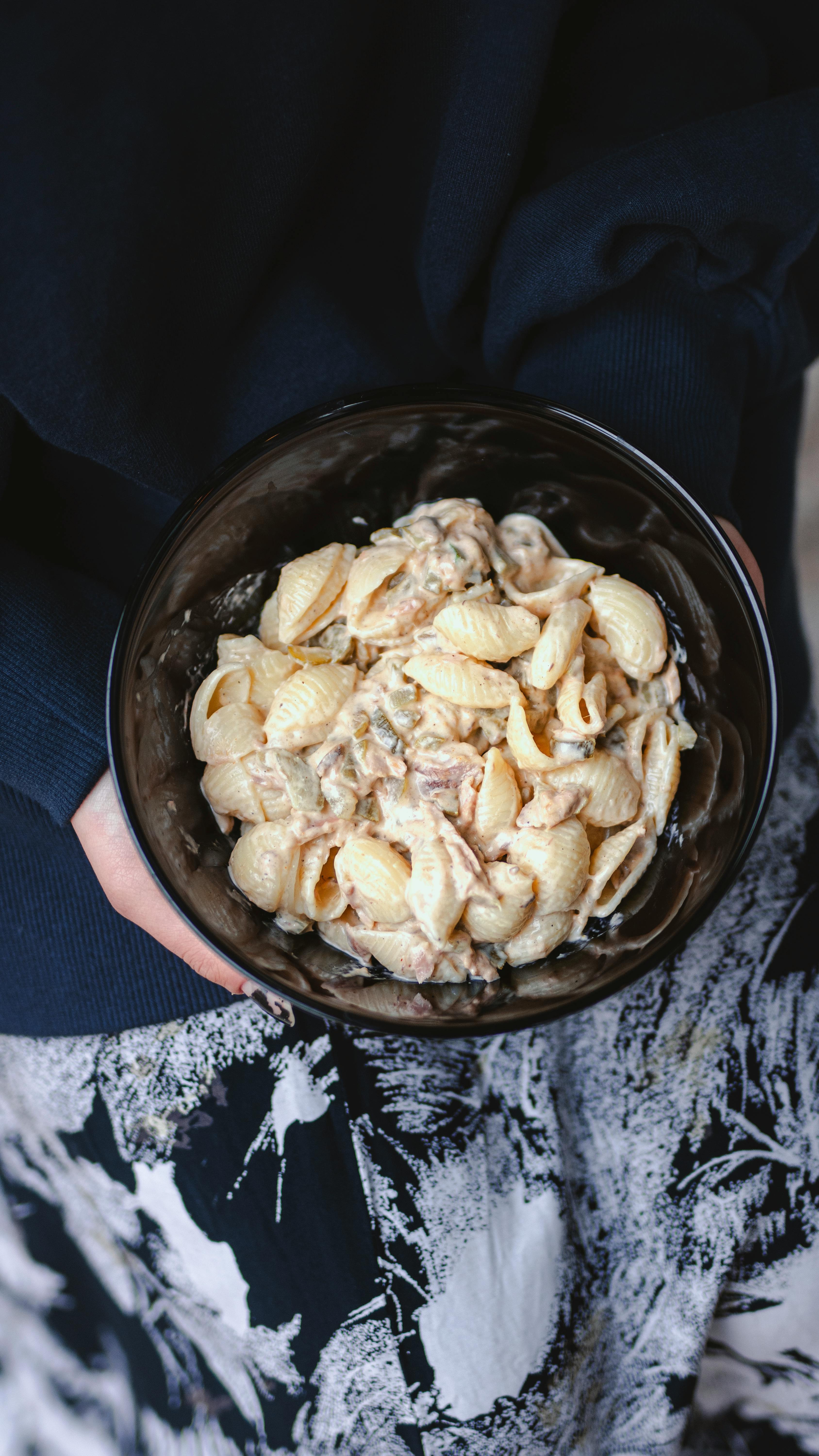
None of this is an argument against restaurants — $1.55 trillion says plenty of people are still happy to pay for a meal someone else cooks. But it does make the case for treating comfort food as a category worth cooking at home, not just ordering. The same dishes chefs are naming as 2026’s biggest trend — hearty pasta bakes, loaded potatoes, a good burger — are also some of the cheapest, most forgiving things to make in a home kitchen. A pot of mac and cheese built from a block of sharp cheddar and a box of elbow noodles costs a fraction of the restaurant version and takes about the same twenty minutes as waiting for a table.
That math matters more this year specifically because of how the restaurant association frames the spending itself. Growth adjusted for inflation sitting at just 1.3 percent means the extra money flowing into restaurants isn’t coming from people eating out dramatically more often — it’s coming from the same visits costing more each time. For a household trying to hold its dining budget steady, that’s useful information: the restaurants themselves are telling shoppers, through their own pricing data, that a comfort-food dinner is getting more expensive to order and not much more expensive to make.
Reading the Trend Both Ways
The restaurant industry’s own numbers make the case twice over. First, that comfort food is powerful enough right now to keep a $1.55 trillion industry growing even while consumers pinch pennies everywhere else. Second, that the same instinct driving people to a restaurant booth — the pull toward something familiar and unfussy — is just as easy to satisfy at the stove. Skipping a night out for a homemade version of the dish that’s topping every 2026 menu forecast isn’t settling. It’s following the same craving the whole industry is chasing, just without the check at the end.