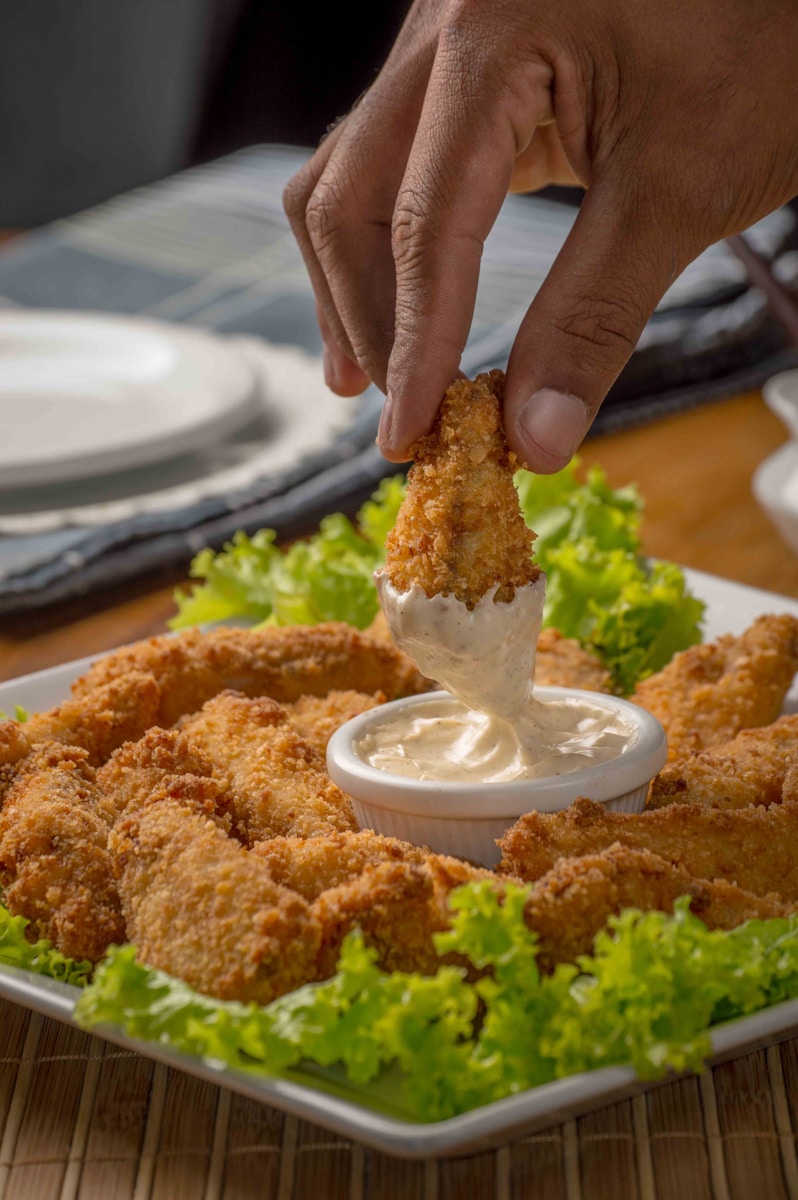
Median chicken wing prices at U.S. restaurants slid to $13.86 in July 2026, down 0.4% from June — a small but real dip that lands right as Labor Day tailgates and NFL kickoff turn wings into the most-ordered food in the country. It is not a dramatic crash. But after two years of watching wing baskets creep upward every football season, any downward movement in late summer counts as good news for anyone building a spread for the first big weekend of the year.
The number comes from Toast’s Menu Price Monitor, which pulls actual point-of-sale transaction data from roughly 180,000 restaurant locations running on the Toast platform — everything from neighborhood wing shacks to full-service sports bars. That is a meaningfully bigger and more current sample than a spot survey, and because it is pulled straight from what restaurants actually charged, it is not distorted by promotional pricing or one-off deals the way scraped menu data can be.
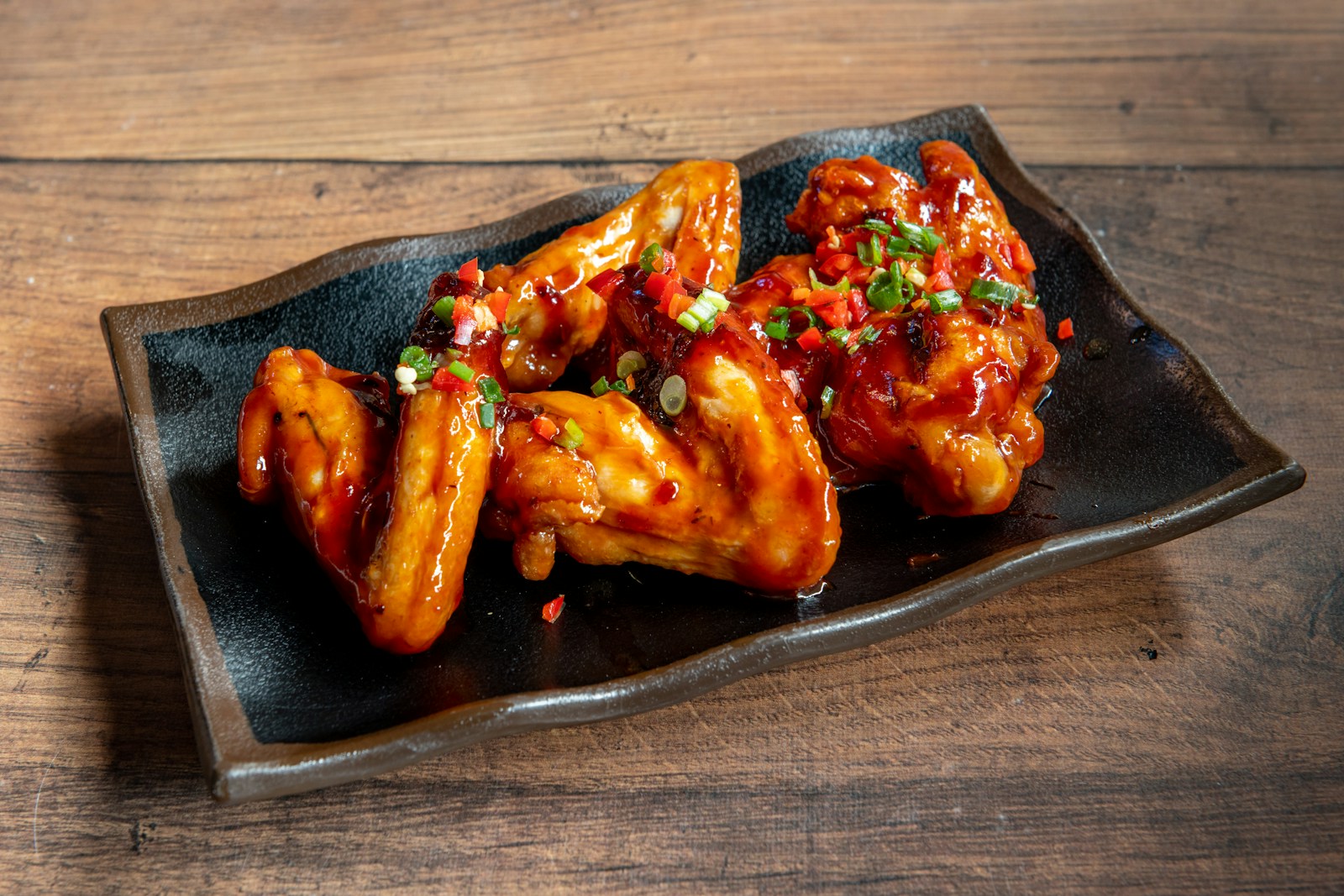
Why wings are holding steadier than eggs did
The dip is small because wing prices have actually been unusually stable for more than a year. Toast’s own data shows the median price bouncing in a tight band between $13.71 and $13.92 from June 2025 through July 2026, with year-over-year increases never exceeding the mid-single digits. Toast’s analysts point to a specific reason: the broiler chickens raised for meat and wings are a different bird population than the egg-laying hens that got hammered by avian flu, so wing supply has been far less exposed to the virus than the egg case has been.
That stability matters because wing demand does not stay flat. Restaurant economists have long pointed out that football, not everyday ordering, is what actually moves the wing market — a Texas A&M livestock economist told Feedstuffs that “the Super Bowl has always driven demand for wings, and that is not going to change,” with wing sales during playoff weeks historically climbing double digits over the same stretch a year earlier. If that same appetite shows up for Labor Day and Week 1, a restaurant that is already sitting on a slightly cheaper wing cost has more room to hold the line on menu prices instead of passing an increase to customers mid-tailgate.
It is a strange kind of relief, honestly, given how the rest of the poultry case has behaved lately. Egg prices spent the better part of the past two years lurching from spike to spike as avian flu tore through commercial laying flocks, and plenty of shoppers now flinch on instinct at anything chicken-related on a receipt. Wings dodging that same volatility isn’t luck so much as biology: broilers and layers are raised in separate barns, on separate schedules, by largely separate companies, so a crisis in one flock population doesn’t automatically become a crisis in the other.
The timing lines up almost exactly with the calendar. Labor Day weekend falls September 4-7 this year, and the NFL’s 2026 season opens the following week, meaning the holiday weekend functions as the unofficial first tailgate of the season before a single regular-season snap is played.
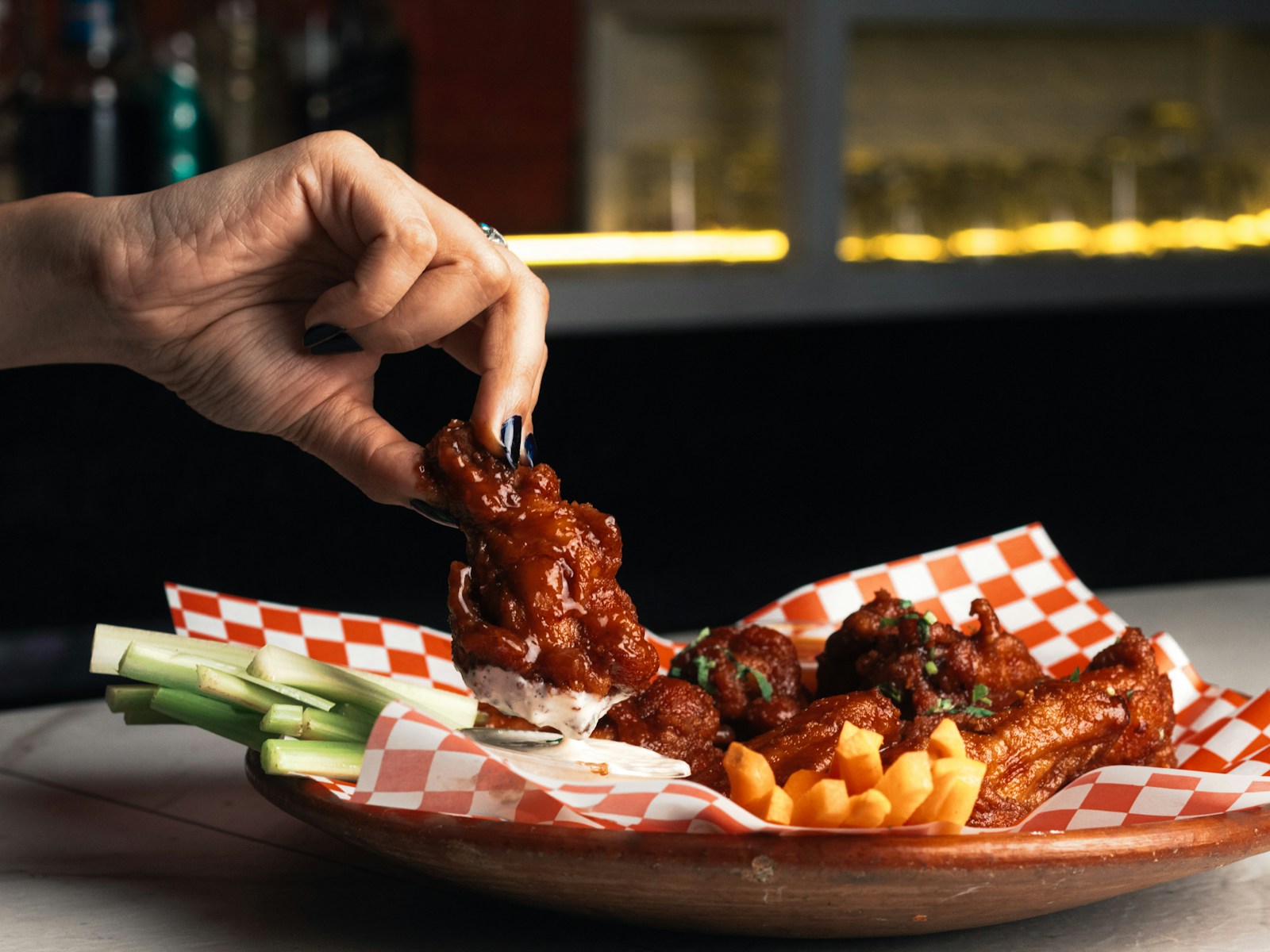
What to actually make with cheaper wings
A few cents off the menu price is reason enough to buy in bulk and cook at home instead of ordering out for a crowd. Three approaches worth having in rotation this season:
- Classic baking-powder buffalo wings: Toss two pounds of wings in 1 tablespoon of baking powder (not baking soda) and a teaspoon of salt, then roast on a wire rack at 425°F for 45-50 minutes, flipping once. The baking powder raises the skin’s pH and dries the surface, which is what gets you shatter-crisp skin without frying. Toss hot wings in a 1:1 ratio of melted butter to Frank’s-style hot sauce.
- Honey-garlic lacquer: Whisk ¼ cup soy sauce, ¼ cup honey, 3 minced garlic cloves, 1 tablespoon rice vinegar, and a teaspoon of grated ginger; simmer until it coats a spoon, then toss with crispy-baked wings straight out of the oven so the glaze sets rather than steaming the skin.
- Dry-rub smoked paprika wings: Mix 2 tablespoons smoked paprika, 1 tablespoon each garlic powder and brown sugar, 2 teaspoons kosher salt, and a pinch of cayenne; rub onto wings before the same 425°F roast for a no-sauce option that travels well to an actual tailgate lot.
None of this means wings are suddenly cheap — a median of nearly $14 a plate is still a real number. But for once, the restaurant-pricing data and the football calendar are pointing in slightly different directions than usual, and that gap is worth using before demand catches up to it.