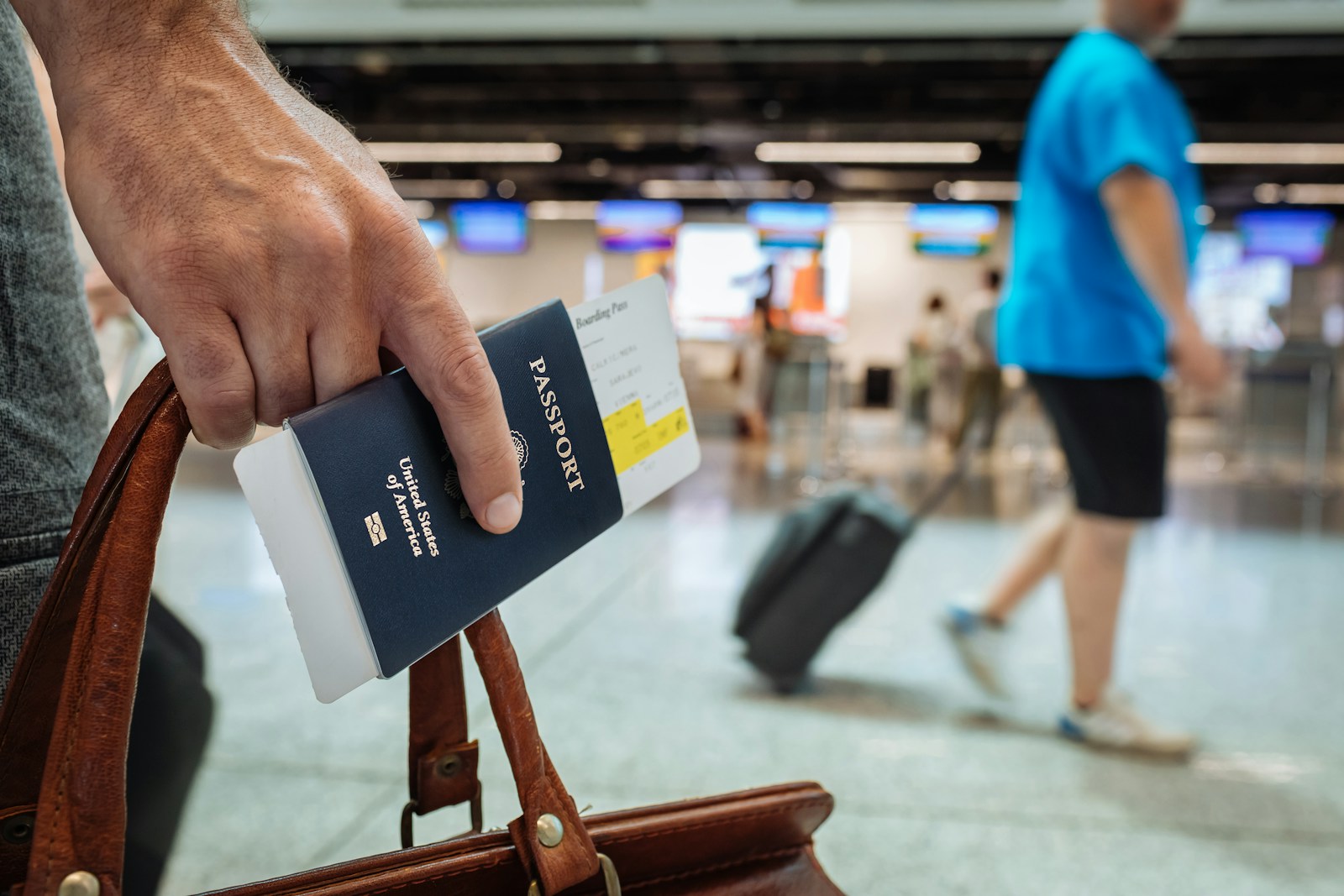
American passports are not on China’s visa-free list. That part hasn’t changed, and it isn’t changing — despite what a wave of recent headlines have implied. But buried in a separate, less-publicized policy is a real opening: U.S. citizens can walk into China without a visa for up to 10 straight days, no application, no embassy visit, no fee — as long as you’re technically passing through on your way somewhere else. Almost nobody uses it, because almost nobody knows the rule exists.
This is China’s 240-hour visa-free transit policy, and it is a genuinely different program from the 30-day unilateral visa exemption you may have seen referenced elsewhere. According to the Chinese Embassy in Washington’s own visa-free FAQ, that 30-day program covers 50 countries — mostly across Europe, Latin America, and Asia-Pacific — and the United States is not one of them. If your plan is to fly to Beijing for a standalone two-week vacation, you still need a visa. That’s the fact most “Americans can now enter China visa-free” posts gloss over or get outright wrong.
The policy that actually does include the U.S.
The transit exemption is different, and it’s confirmed directly by China’s National Immigration Administration, which states the 240-hour policy applies to “nationals of 55 countries including Russia, the United Kingdom and the United States.” The requirement is that you hold a confirmed onward ticket — with a set date and seat — to a third country or region. In practice, that means a layover isn’t the only way in: a round trip that routes through a Chinese city on both legs, or a multi-city itinerary that treats China as a stopover rather than the final destination, both qualify.
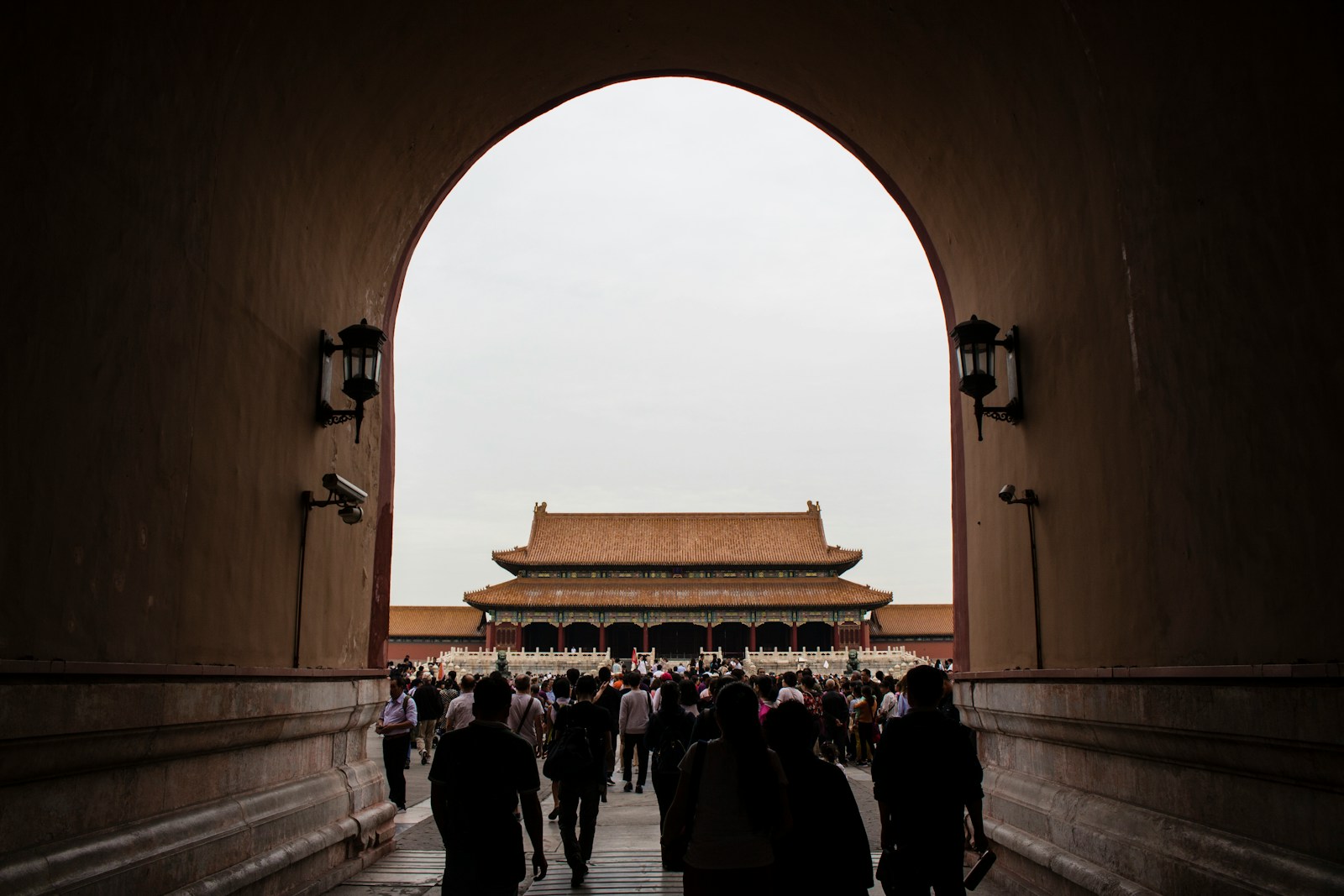
Once you’re in, you get up to 10 full days — not 10 hours, not an airport-adjacent day trip. That’s enough time to see the Forbidden City, walk the Bund in Shanghai, or hit the Terracotta Army in Xi’an, all without ever touching a visa application.
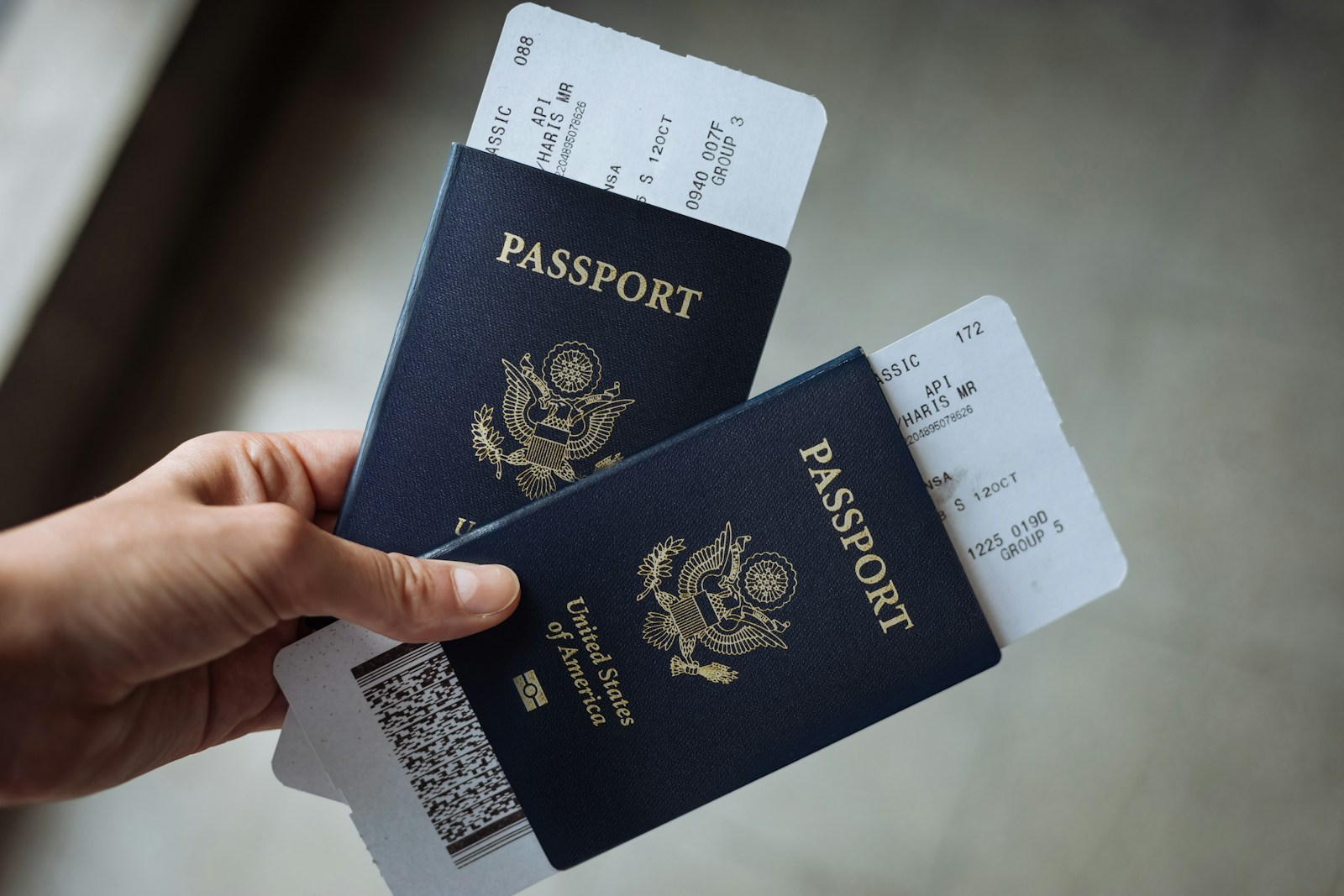
It just got bigger, and most travelers missed the update
The policy has been expanding steadily and recently. It started as a 72-hour, then 144-hour exemption before China upgraded it to the full 240 hours in December 2024. Since then, according to China Briefing, the government added five more entry points on November 4, 2025, bringing the total to 65 open ports spread across 24 provinces, autonomous regions, and municipalities — up from an original 60. Indonesia was added to the list of eligible nationalities in mid-2025, pushing the country count to 55. The trajectory is consistently toward more access, not less, even while the separate 30-day program continues to exclude the U.S.
The permitted areas aren’t uniform, either, which is where the policy gets genuinely useful for trip planning rather than just a layover curiosity. Some provinces restrict visa-free transit travelers to a single city; others allow movement across an entire cluster. Guangxi’s version of the policy, for example, opens up 12 cities including Nanning, Guilin, and Beihai, while Sichuan’s covers 11, including Chengdu and Leshan — meaning a traveler landing under this exemption in the right province can string together a small multi-city itinerary, not just a single stopover stroll.
What it doesn’t cover
- No work, study, or journalism. The embassy notice is explicit that those activities still require a standard visa obtained in advance — the transit exemption covers tourism, business meetings, family visits, and exchange activities only.
- You need the onward ticket in hand. Immigration officers check for a confirmed, dated reservation to a third country before waving you through — an open-ended or one-way ticket into China alone won’t qualify you.
- Entry has to be through an eligible port. Not every airport or border crossing in China participates; the 65 approved ports include major hubs like Beijing and Shanghai, but always confirm your specific entry point qualifies before you build an itinerary around it.
The confusion around China’s visa rules right now isn’t really about whether the country is “opening up” — it clearly is, in fits and starts, port by port and country by country. The confusion is about which door actually has your name on it. For most Americans, it isn’t the 30-day tourist exemption everyone’s been sharing. It’s the transit policy sitting quietly next to it, open the whole time, waiting on a confirmed onward ticket and ten unclaimed days.