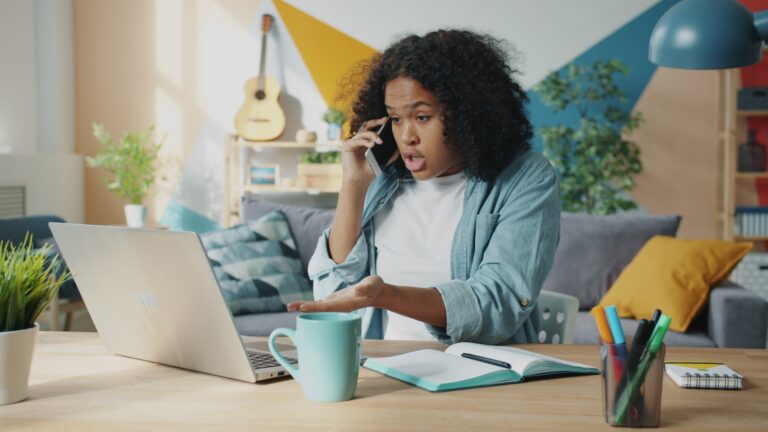
More than half of U.S. adults under 50 have used a dating app or site, according to Pew Research Center — which means most people entering early dating today are doing it through a screen, without the built-in cues a face-to-face meeting used to provide. There’s no agreed-upon reply window anymore, no shared sense of when “into you” should turn into a real conversation about exclusivity, and no consensus on what a slow reply even means. That vacuum doesn’t read as freedom to most daters. It reads as anxiety, and it’s quietly derailing connections between people who’d otherwise be a good match.
There’s No Universal Rule — and Trying to Follow One Backfires
Psychotherapist Dr. Suzanne Lachmann, writing on her own site about texting in new relationships, is direct about the core mistake people make: “Texting someone that you are interested in does not oblige them to respond in accordance with your timeline.” Her guidance isn’t a specific number of hours or days — it’s a reframe. She advises against reading meaning into response speed at all, since a delayed reply can come from a packed schedule, a dead phone, or simple unfamiliarity with how much texting a new partner expects, rather than from waning interest. Her practical advice is to keep early messages “short and simple” and then let go of monitoring the clock, because obsessive timing-watching is what she identifies as the actual source of “unnecessary anxiety and rumination” — not the other person’s behavior.

The Bigger Confusion Isn’t Texting Speed — It’s Not Knowing Where You Stand
Texting anxiety is really a symptom of a bigger unresolved question: when do two people who are dating casually become two people who are dating each other, exclusively, on purpose? Dating platform Bumble addresses this directly in its own guidance on defining the relationship, and its position is that there’s no fixed timeline that applies to every couple — connection depth matters more than calendar days. Bumble’s guidance does point to roughly the three-month mark as a common, though not mandatory, natural checkpoint for a relationship conversation, once two people have had enough time to actually know each other. The readiness signals it lists are less about the calendar and more about feeling: discomfort at the idea of either person seeing someone else, a sense that emotional investment is deepening, and enough clarity to actually say what you want out loud.
Why Getting This Wrong Feels So High-Stakes
The reason ambiguity around texting and exclusivity causes real damage, rather than just mild awkwardness, shows up in Pew’s data on how differently men and women experience the same online-dating landscape. Pew found that 54% of women using dating platforms say they’ve felt overwhelmed by the volume of messages they receive, while 64% of men say they’ve felt insecure specifically because of a lack of messages. Put those two findings together and you get two groups of daters primed to misread the exact same silence in opposite ways — one person’s “I’m giving them space” is the other person’s “they’ve lost interest.” Without a shared script for what normal pacing even looks like, both reactions are reasonable responses to genuinely ambiguous information.

What Actually Helps
The advice that holds up across both Lachmann’s clinical guidance and Bumble’s own framework isn’t a rule about hours or days — it’s a shift toward saying things out loud instead of trying to decode them. Lachmann’s recommendation to use early texts for logistics rather than emotional temperature-checking reduces the number of ambiguous signals in play to begin with. Bumble’s recommendation to have the exclusivity conversation face-to-face, rather than over text, exists for the same reason: tone and intention get lost in a text thread in a way they don’t in person. Neither source promises a formula that removes the uncertainty of early dating. What they both offer instead is a way to stop outsourcing that uncertainty to a stopwatch.
It’s worth noticing what’s actually missing from both frameworks: a number. No hour count, no day count, no “wait this long or you look desperate” threshold. That absence is the point. The people who study this for a living aren’t withholding a secret rule — they’re describing, consistently, a landscape where the old rules stopped applying and nothing with the same certainty has replaced them. Treating that as permission to ask directly, rather than a problem to solve by decoding response times, is the closest thing to a rule that survives contact with how modern dating actually works.