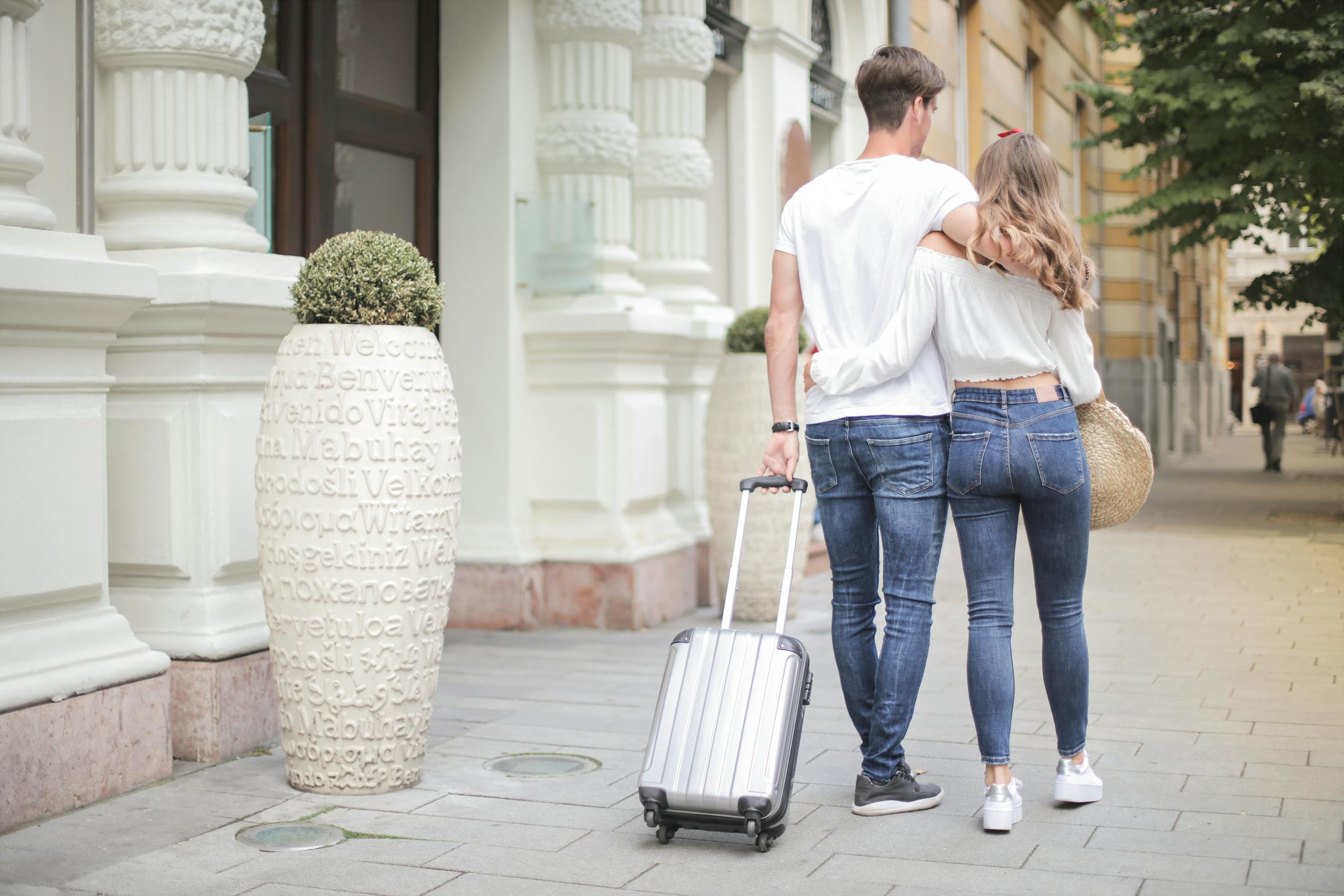
Seventy percent of people in relationships say they talk through travel plans with their partner every single week, and sixty-three percent say having a similar trip-preparation style is one of the things that makes them compatible, according to a 2024 survey of 2,000 U.S. adults conducted by Talker Research for Discover Puerto Rico. Seventy-three percent of the people in that same survey called travel “the ultimate test” of a relationship. What the data doesn’t fully explain is why some couples pass that test and come home closer, while others come home barely speaking. Two recent academic studies get much more specific about what’s actually happening.
The short version: it isn’t the destination, the budget, or even how well two people plan together. It’s whether the trip pushes both partners outside what they already know about themselves and each other.
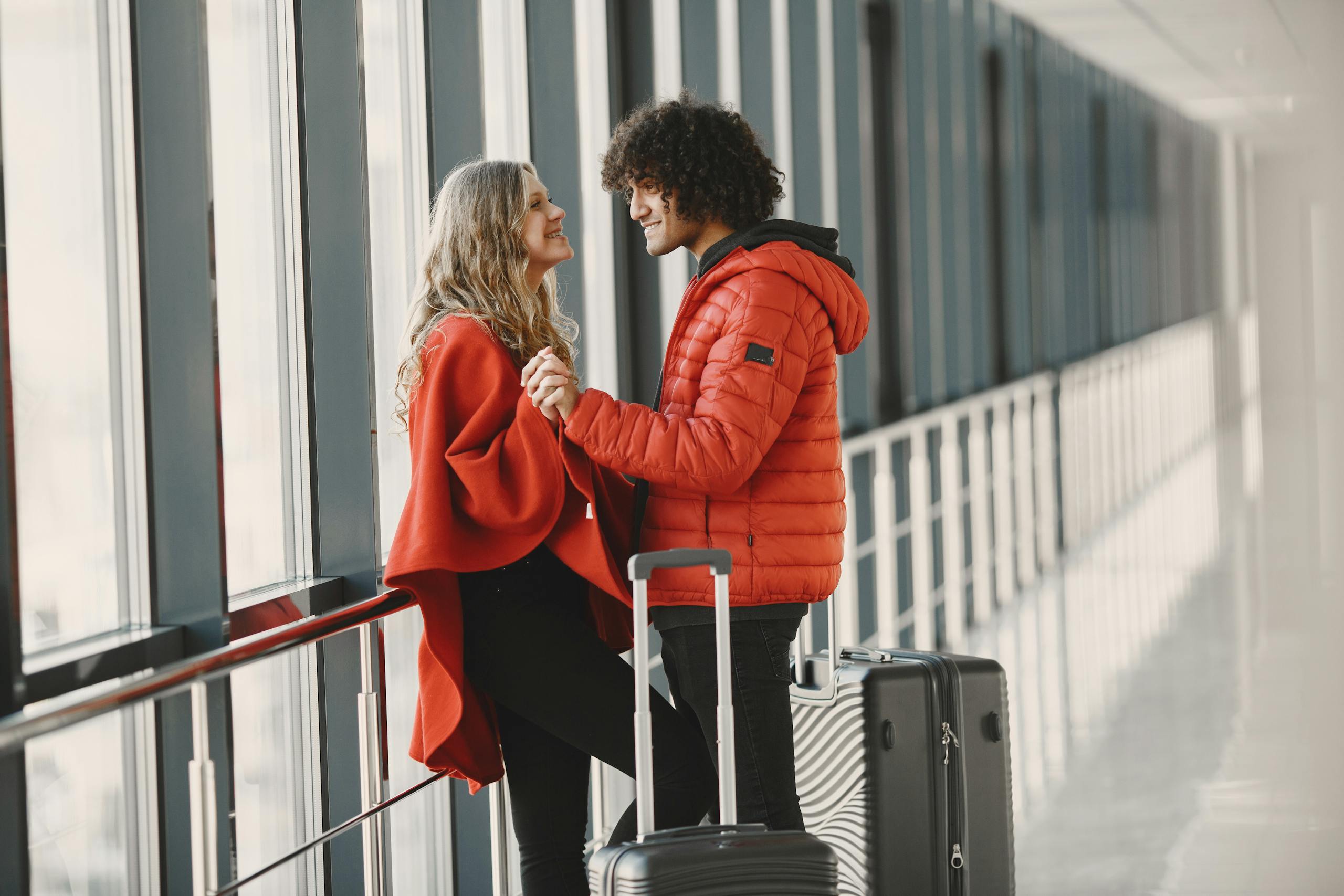
The “self-expansion” effect
A 2024 study published in Annals of Tourism Research Empirical Insights, led by researchers J. Coffey, Moji Shahvali, Deborah Kerstetter and Arthur Aron, tested something called the self-expansion model — the idea, rooted in Aron’s own earlier relationship research, that people are drawn to partners and experiences that help them grow into a bigger version of themselves. Applied to travel, the theory predicts that novel, interesting, or genuinely challenging experiences on a trip should make couples feel closer, while a vacation that’s comfortable but unremarkable won’t move the needle much either way.
That’s essentially what the researchers found. In the study’s first sample of 238 partners, people who reported more “self-expanding” experiences on vacation — trying something genuinely new, being pushed a little out of their comfort zone — showed higher romantic passion and relationship satisfaction after the trip, but only when they’d traveled as a couple. The same self-expanding experiences didn’t produce the same boost for people who’d had them without their partner along. In a second sample of 102 couples who traveled together, more self-expanding vacation experiences also predicted more physical intimacy once they were back home. The destination, in other words, is really just a container. What determines whether a couple leaves it closer together is whether they were stretched, together, while they were inside it.
Frequency isn’t the variable — depth is
A second study, published in 2025 in Leisure Sciences by Moji Shahvali, Deborah Kerstetter, Cody Tews, Dedee Mitas and Amir Behrad Far, followed couples over a full year and found something that should reset how people think about vacation planning altogether: how often a couple traveled had no real relationship to how satisfied they were with their relationship afterward. What mattered was the quality of what they did together while they were away — having fun together, having real, unhurried conversations, being physically affectionate, trying new things side by side. Couples who logged more of those joint, shared experiences reported meaningfully higher relationship satisfaction, and the researchers traced the effect through what they call couple cohesion and flexibility — essentially, how well two people function as a unit and adapt together when plans change.
That last part matters, because it reframes something the Talker Research data hints at without quite naming it. Seventy-two percent of people in that survey said spontaneity was important on a trip, even though a similar majority also wanted a partner whose planning style matched their own. Those two preferences aren’t actually in conflict once you look at them through this research: a shared planning style keeps day-to-day friction low, and being aligned enough to handle a spontaneous, unplanned moment together is precisely the kind of joint, adaptive experience that predicts a couple growing closer rather than more distant. The couples who bicker their way through a trip usually don’t have the wrong itinerary. They’re the ones who never had to stretch, adapt, or be surprised together at all — or who did, and couldn’t do it as a team.
What this means for the next trip you book
None of this means expensive or exotic travel is required. The self-expansion research doesn’t measure luxury; it measures novelty and challenge relative to what a couple already knows. A weekend trip that forces two people to navigate an unfamiliar city, try a food neither of them has had, or improvise when a reservation falls through can do more for a relationship than a familiar resort where nothing unexpected ever happens. The Talker Research respondents who said a trip “reignited” their romance — sixty-one percent of them — weren’t necessarily describing the most expensive vacation of their lives. They were describing one where something happened that neither partner could have scripted in advance, and they got through it side by side.
If there’s one line worth taking from this research, it’s that the couples who come home closer aren’t the ones who avoided friction on the trip. They’re the ones who found something new to be surprised by, together, and discovered they could handle it as a team.