For decades, a family vacation started with a place. Disney World, the Grand Canyon, a beach with the right ratio of sand to pool chairs. Hilton’s 2026 trends report says that instinct is loosening its grip. The hospitality company’s newest research describes a shift toward what it calls “whycations” — trips that multigenerational and expanded families plan around a shared reason for going, not a landmark on a map. Reconnecting after a hard year, celebrating a milestone together, or teaching grandchildren a skill their grandparents still know now shapes the itinerary before the destination does. It’s a small shift in language pointing at a much bigger shift in how families actually travel.
The Family Unit Taking the Trip Has Changed Shape
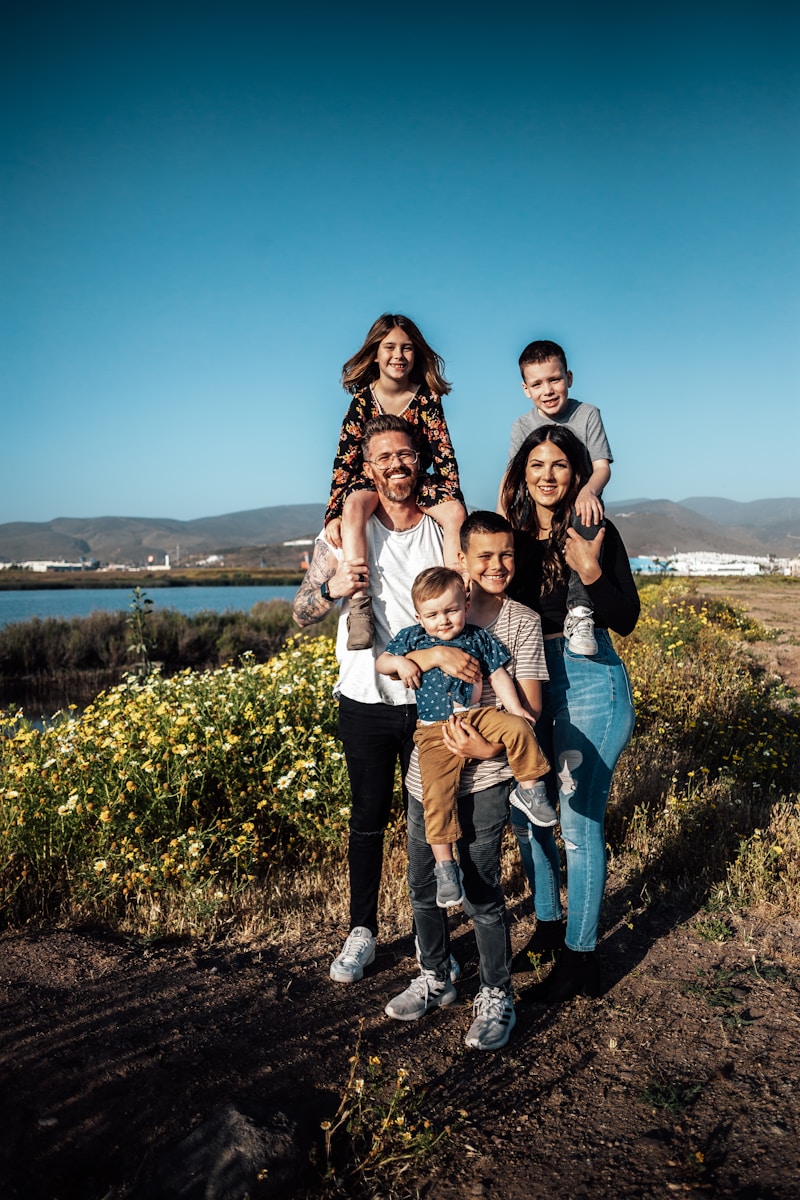
Part of what’s driving this is who counts as “family” on the trip in the first place. According to Hilton’s report, the traditional nuclear-family vacation is increasingly just one configuration among many. Blended families, chosen family, close friend groups who function like family, and three- or four-generation clusters are booking trips together more often, and each of those groups brings a different reason for traveling in the first place. A blended family might be using the trip to build shared history rather than compete with separate ones. A friend group standing in for family might be prioritizing time together over ticking off a location. When the group itself is more varied, the old model of “pick the destination everyone can agree on” stops making as much sense as “pick the purpose everyone can agree on,” because the purpose is usually the thing they actually have in common.
Purpose Is Steering What Actually Gets Booked
This isn’t just a mood shift; it’s showing up in booking behavior. Hilton’s research points to families increasingly choosing properties and itineraries built around doing something together rather than seeing something specific. That looks like multigenerational suites and connected rooms that let three generations share space without sacrificing privacy, resorts that build in cooking classes or skill-based excursions so grandparents can teach and grandkids can learn, and trips scheduled around milestones — a retirement, a graduation, a first grandchild — instead of a season or a sale. The “why” becomes the filter families run every other decision through: where they stay, how long they go, and even who gets invited.
Why the “Why” Is Winning Right Now
Some of this tracks with broader cultural momentum toward intentionality that’s shown up in how people spend money and time generally, but travel is a particularly visible place for it to land because a trip is expensive, finite, and hard to redo if you get it wrong. A family that has one week together and airfare for six people isn’t just choosing between Orlando and the coast anymore — they’re choosing between “we go somewhere to relax” and “we go somewhere to actually talk to each other,” and those two goals can point to completely different places. Hilton’s framing of the “whycation” gives language to something a lot of families have likely been doing instinctively for a while: picking the goal first and letting the map follow, rather than the other way around.
There’s also a practical upside buried in this shift. When purpose leads, families tend to make fewer regretful bookings — the gorgeous destination that turns out to be wrong for a toddler and two elderly grandparents, or the packed itinerary that leaves no room for the actual reason everyone flew in. Anchoring on “why” first tends to produce trips that fit the people taking them, not just the postcard.
It also changes how families handle the parts of a trip that used to cause the most friction: money and scheduling. A destination-first plan tends to get built around what’s affordable or available, with everyone hoping the group gels once they arrive. A purpose-first plan works backward from the occasion — a grandparent’s 80th birthday, a sibling reunion after years apart, a graduation the whole family wants to witness together — and the group is more willing to stretch the budget or juggle calendars because the reason for going is already locked in and agreed upon before a single flight gets booked.
What Hilton’s data really captures is a maturing of how families think about travel altogether. The destination used to be the whole plan; now it’s just the setting for one. Families who name the reason before they name the place are, in effect, designing the trip around the relationship they’re trying to build or repair, and letting geography do the much smaller job of hosting it.