Every year, the same short list of cities absorbs most of the world’s travel attention — Paris, Rome, Bali, Tokyo — while flight-search platforms quietly log which places are climbing fastest in search interest before that interest ever shows up in headlines. Search platforms like Kayak and Google Flights have reported year-over-year spikes of well over 100% for a handful of destinations that most travelers still aren’t thinking about, and that gap between search momentum and mainstream awareness is usually where the best trip-planning window opens. Prices are lower, crowds are thinner, and the destination hasn’t yet been flattened into a highlight reel. Here are the places showing up in that search data now, and why each one is building momentum for its own distinct reason.
Czech Republic
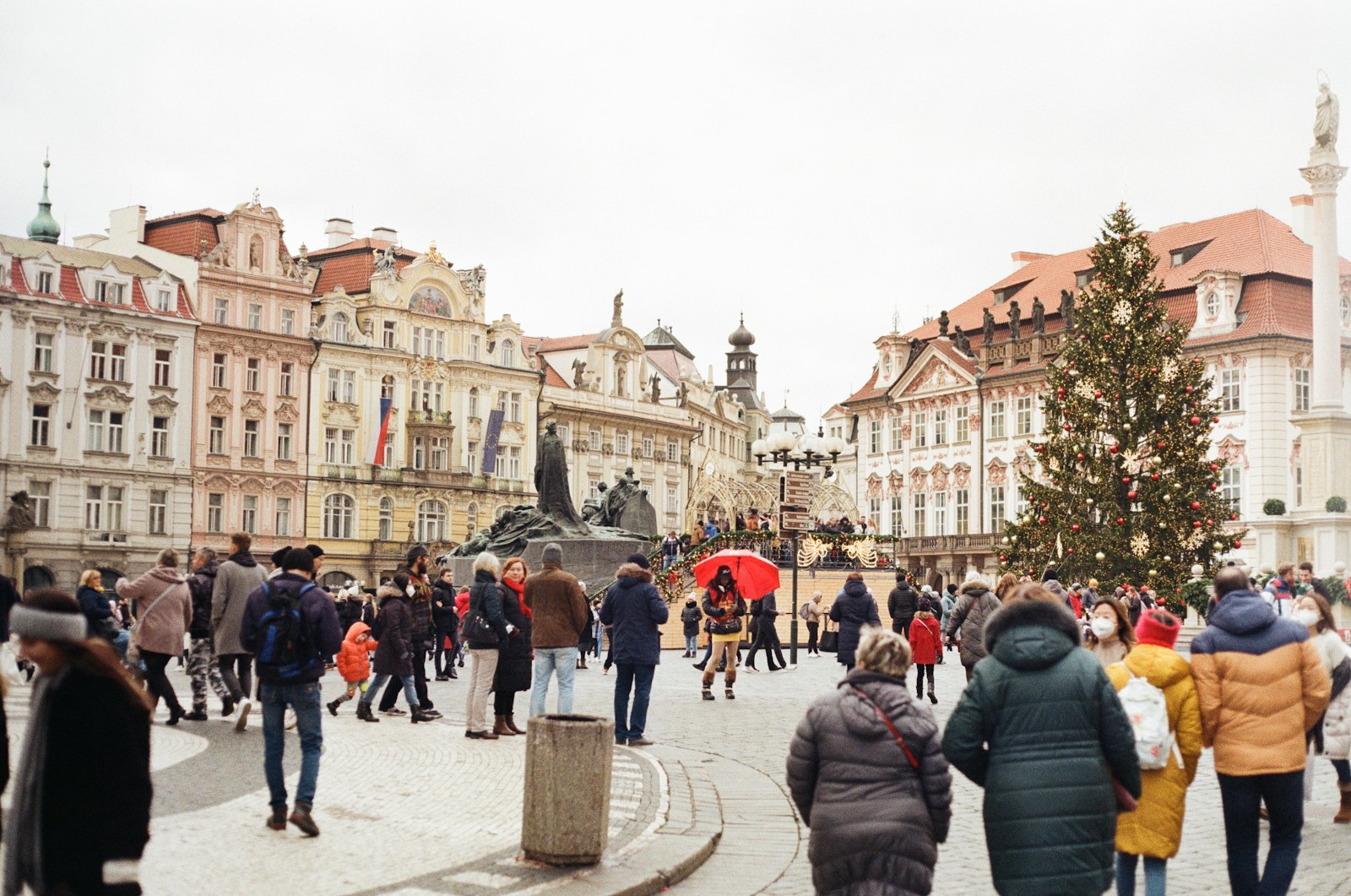
Prague has always had tourists, but interest in the Czech Republic as a whole has reportedly surged, with search platforms logging a jump as high as 179% year-over-year for the country. What’s pulling attention beyond the capital is the rest of the country: Český Krumlov’s fairy-tale old town, the spa towns of Karlovy Vary, and a beer culture that’s cheaper and arguably more serious than anywhere else in Europe. Travelers who’ve already done Prague are widening the map, and search data suggests a lot of first-timers are skipping straight to the country instead of the single city.
Santa Fe, New Mexico
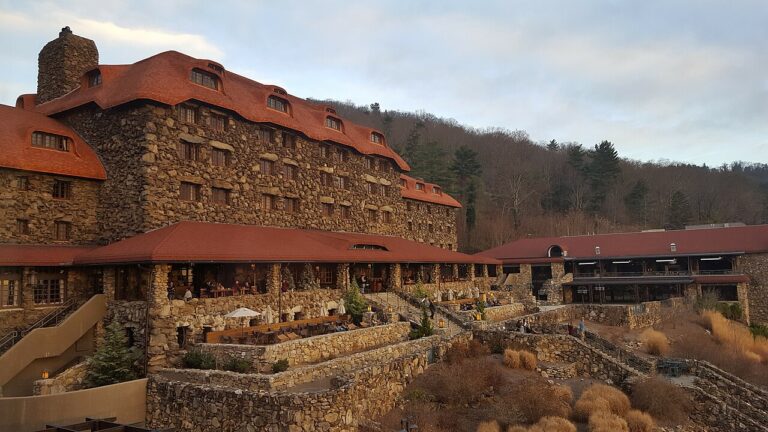
Domestically, Santa Fe is having a moment that has less to do with any single event and more to do with what travelers are craving right now: adobe architecture, a genuinely distinct food scene built around red and green chile, and an art market that rivals cities many times its size. It’s a slower kind of trip than a big-city weekend, and that slowness is exactly what’s drawing people who are burned out on itineraries packed with must-see stops.
Guadalajara, Mexico
Mexico’s tourism conversation has been dominated by the coasts for years, but Guadalajara is pulling interest as travelers look for the country’s cultural core instead of another beach. It’s the birthplace of mariachi and tequila, its historic center is walkable in a way few Mexican metros manage, and it offers a genuinely different trip than Cancún or Tulum without sacrificing good food or nightlife. As more travelers seek out a city trip that still feels distinctly Mexican rather than built for tourism, Guadalajara keeps climbing.
Phu Quoc, Vietnam
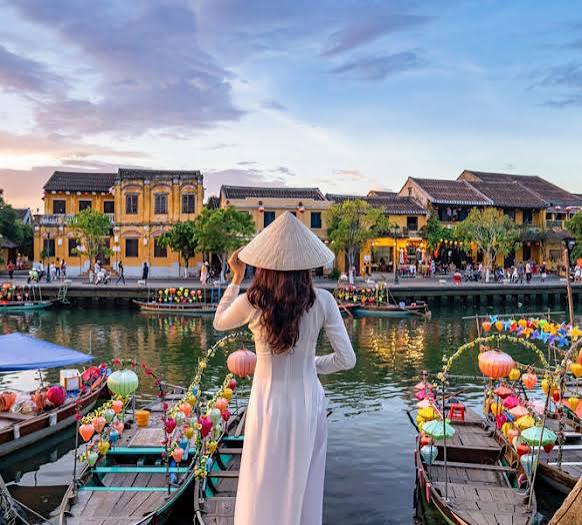
Vietnam’s island of Phu Quoc has spent the last few years building the infrastructure — resorts, a cable car, an international airport — that usually precedes a destination’s breakout, and search interest is starting to catch up to that investment. It offers the kind of beach-and-jungle combination that Thailand’s most popular islands used to offer before they got crowded, at a fraction of the price, which makes it an easy sell for travelers priced out of destinations they used to default to.
Dominica
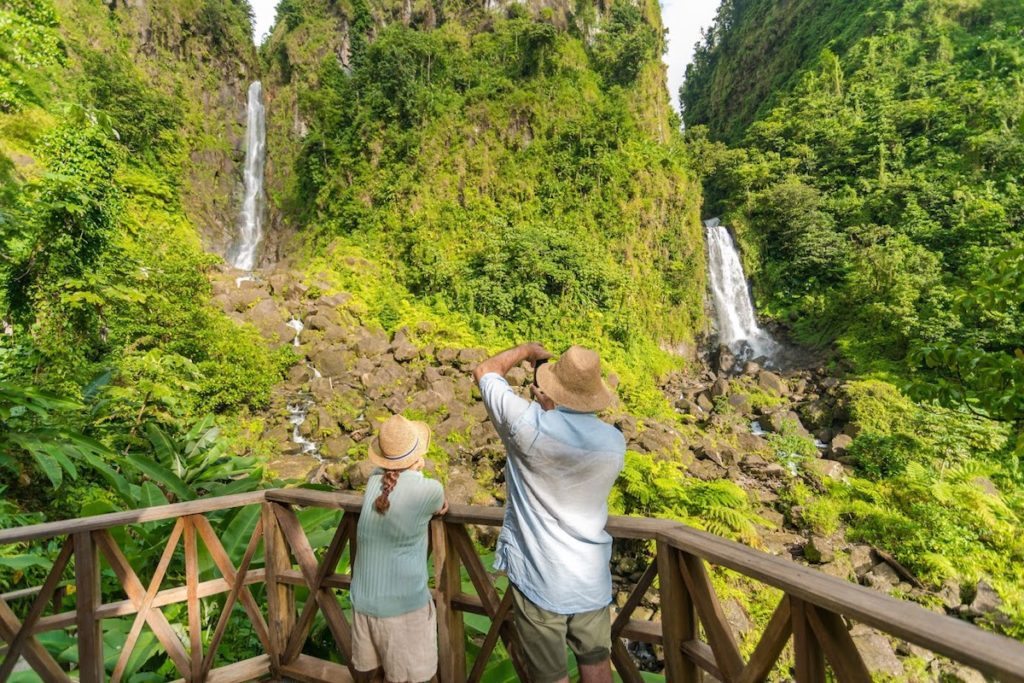
Dominica isn’t chasing the resort-and-beach model that defines most of the Caribbean, and that’s precisely its appeal. Nicknamed the “Nature Island,” it’s built its identity around rainforest hiking, hot springs, and some of the best diving in the region rather than infinity pools. As travelers grow more interested in adventure-driven trips over pure relaxation, Dominica is picking up search traffic from people who’ve already done the more manicured Caribbean islands and want something wilder.
The Azores, Portugal
Portugal’s mainland cities have already had their breakout moment, and attention is now spilling toward this volcanic archipelago in the middle of the Atlantic. The Azores offer hiking, hot springs, and whale watching within a single compact trip, with direct flights from the U.S. becoming easier to find. It’s landing with travelers who want Iceland’s dramatic landscapes without Iceland’s price tag or crowds.
What ties these six together isn’t a single trend so much as a shared reaction: travelers are actively steering away from the destinations that have become synonymous with overtourism, and search data is simply the earliest place that shift becomes visible. Booking one of these places now, before the search spike becomes a headline, is usually the closest a traveler gets to visiting somewhere before everyone else catches on.