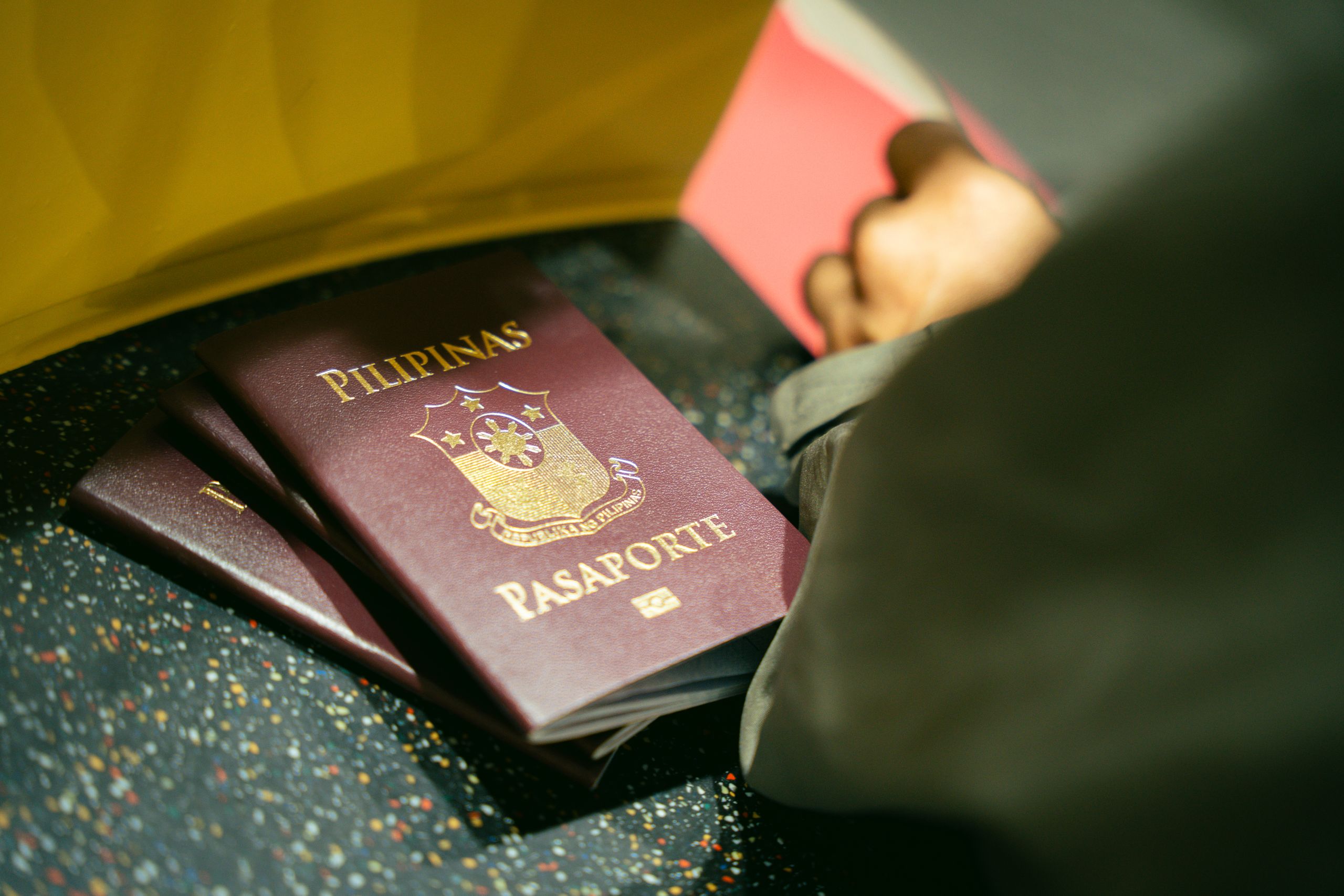
The European Union has confirmed that its new pre-travel screening system for Americans and other visa-exempt visitors, known as ETIAS, is officially scheduled to launch in the fourth quarter of 2026, according to the European Commission’s own migration and home affairs office.
 photo credit: unsplash
The exact launch date within that window has not yet been set. The European Commission says it “will be officially communicated later this year,” but the quarter itself is now locked in after a launch that has already slipped past several earlier target dates.
What Changes for U.S. Travelers
For years, Americans have been able to enter most of Europe with nothing more than a valid passport and a stamp at the border. Once ETIAS is active, U.S. citizens visiting any of the 30 European countries that require it for short stays will instead need to apply for a travel authorization online before departure, per the Commission’s own guidance for travelers.
The process is designed to be quick. Travelers fill out a digital form with their personal and passport information, pay an application fee, and typically receive approval within minutes, according to the Commission. Once granted, the authorization is valid for three years or until the traveler’s passport expires, whichever comes first.
- Official window: fourth quarter of 2026, per the European Commission
- Covers 30 European countries for U.S. citizens and other visa-exempt travelers
- Application happens online, before departure, and approval typically takes minutes
The fee has been set at €20 per traveler, with travelers under 18 and over 70 exempt from paying it, according to fee guidance published for applicants. Family members of EU citizens exercising free movement rights are also exempt.
ETIAS is arriving alongside a related but separate system called the Entry/Exit System, or EES, which the European Commission says has been “fully operational across all Schengen countries since 10 April 2026.” The two are easy to confuse: EES records a traveler’s facial image and fingerprints at the border when they arrive, while ETIAS is the advance authorization travelers secure before they ever leave home. U.S. travelers heading to Europe now need to plan for both.
ETIAS mirrors systems many American travelers already know from other trips, like the United States’ own ESTA program for visa-exempt visitors. Once it launches, skipping the application before a European trip won’t be an option the way walking up to passport control with just a passport has been for decades.