The FDA has classified Publix’s recall of GreenWise Organic Whole Blueberries and Whole Mixed Berries as a Class I recall, the agency’s most serious classification, meaning there is a reasonable probability that eating the product could cause serious health problems or death.
Publix first pulled the frozen berries in late July after E. coli O145:H28 turned up in testing, and by early August the story had mostly faded from headlines. That changed on August 18, when FDA records show the agency upgraded the recall’s risk level, weeks after many shoppers likely assumed it was already resolved.
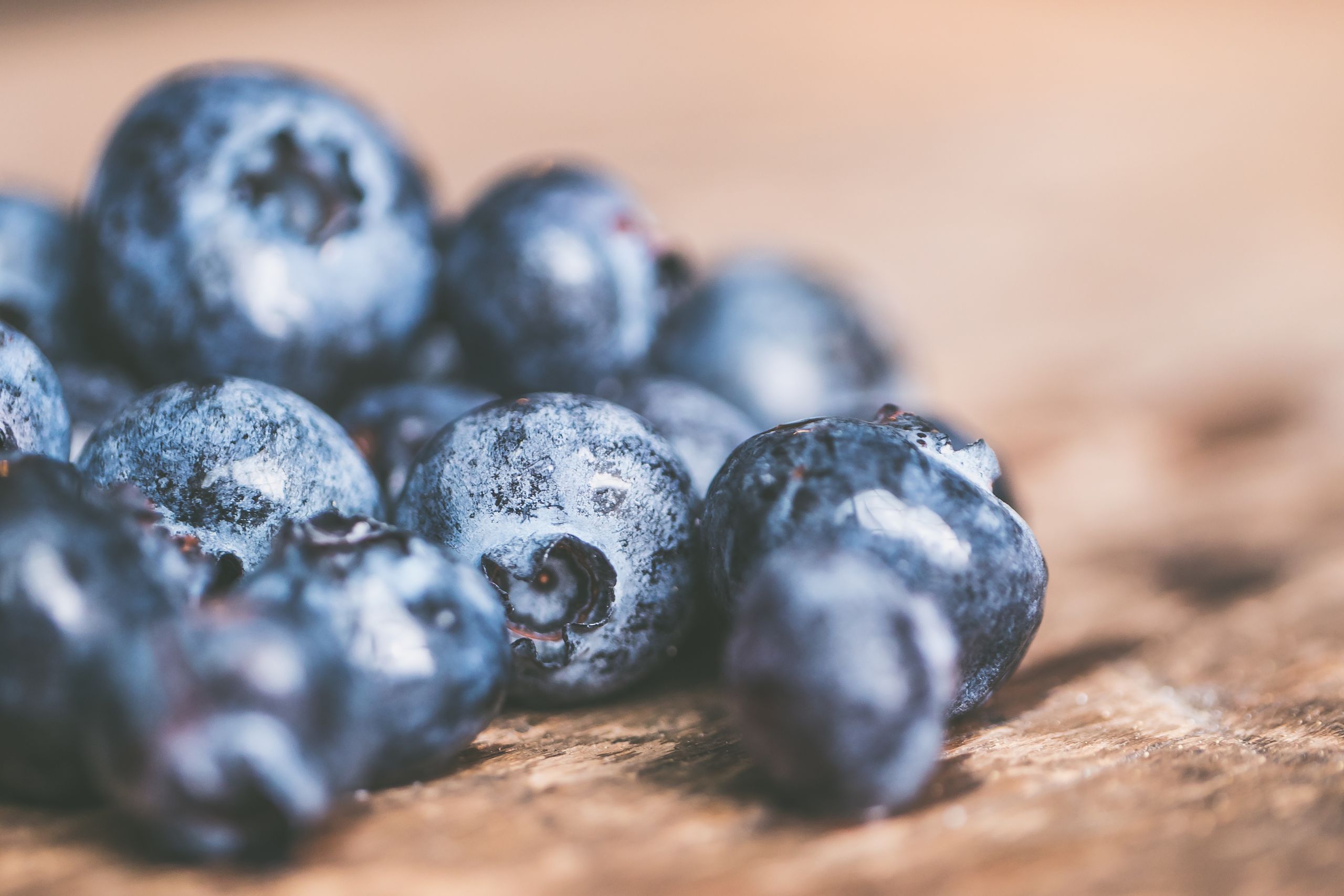 photo credit: unsplash
The recall covers four GreenWise items: 10-ounce and 48-ounce bags of organic whole blueberries, and 10-ounce and 48-ounce bags of organic whole mixed berries. Products are affected if the expiration date falls before February 9, 2028, according to the FDA’s recall notice. More than 82,000 combined units were distributed under the two recall numbers filed with the agency.
Publix shipped the fruit to stores across Alabama, Florida, Georgia, Kentucky, North Carolina, South Carolina, Tennessee and Virginia. The outbreak strain, E. coli O145:H28, has sickened 17 people and sent six to the hospital, with no deaths reported as of the FDA’s latest update to its outbreak investigation page.
Key Points
- FDA classified the recall Class I on August 18, its highest severity level.
- 17 illnesses and six hospitalizations are linked to E. coli O145:H28 as of the agency’s latest count.
- Affected berries were sold in eight Southeastern states, with expiration dates before February 9, 2028.
Symptoms of E. coli O145 infection typically include severe stomach cramps, diarrhea that can turn bloody, and vomiting, usually appearing within a few days of exposure. In rare cases, particularly among young children and older adults, the infection can progress to hemolytic uremic syndrome, a condition that can cause kidney failure.
Publix has advised customers to check freezers for the affected lot codes and to discard or return the product rather than eat it, even if it looks and smells normal. Frozen fruit tends to sit in home freezers for months at a time, which is part of why food-safety officials say recalls like this one can still catch households off guard long after the initial announcement fades from the news.
FDA records list the recall under two separate numbers, H-1238-2026 for the 10-ounce bags and H-1239-2026 for the 48-ounce bags, covering roughly 45,000 and 37,000 units respectively. The agency marked both as terminated on September 4, meaning the affected product has been removed from the market, though the Class I label remains attached to the record as the most severe classification the recall ever reached.
Health officials generally recommend cooking frozen produce thoroughly when a recall involves a bacterial pathogen, though the FDA’s notice specifically warns against consuming the affected berries in any form, cooked or raw, given the contamination risk.