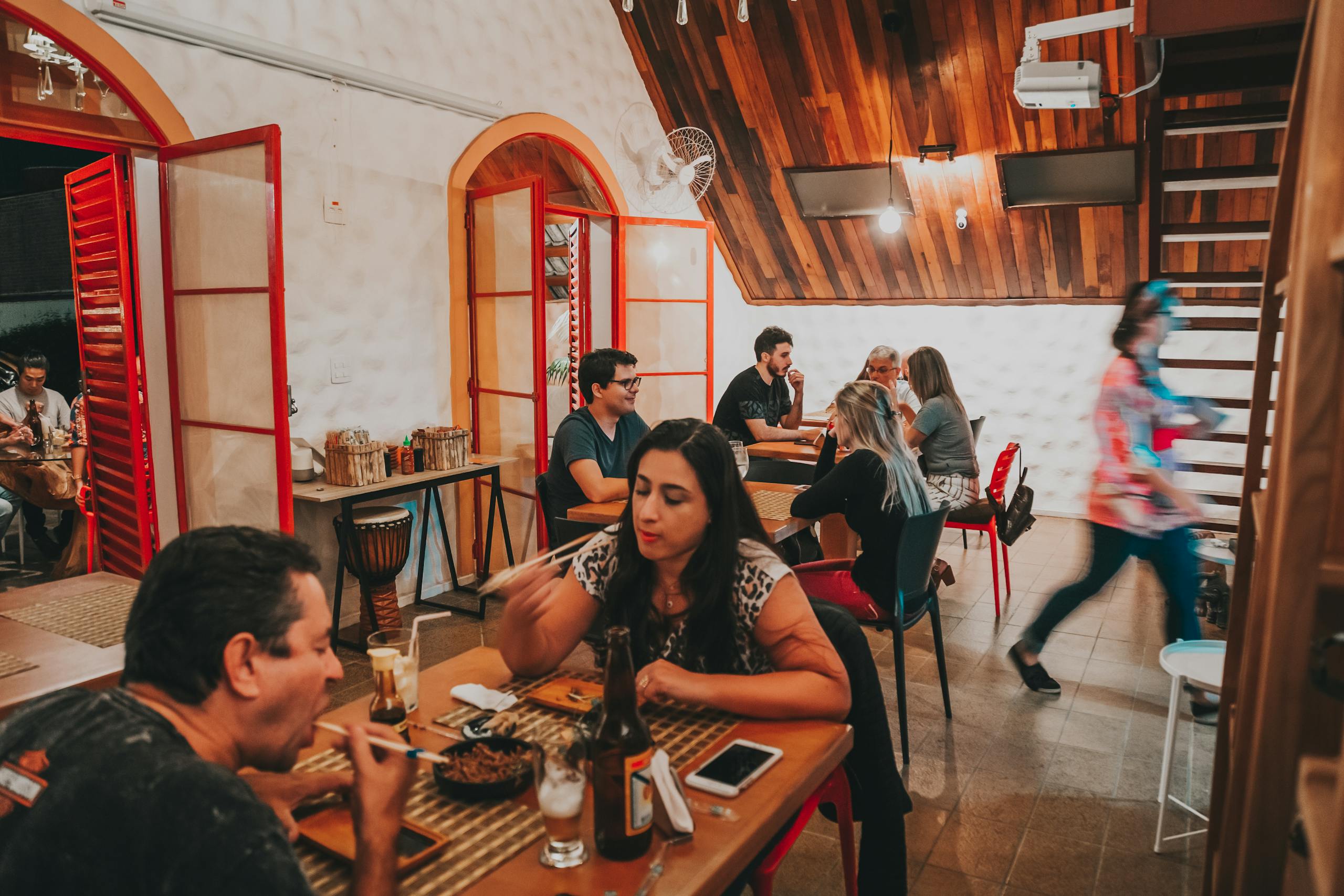
The National Restaurant Association projects the industry will post $1.55 trillion in U.S. sales this year, but its own 2026 State of the Restaurant Industry report shows that number depends on operators getting value pricing right, not on demand simply holding steady.
Traffic told a rougher story in 2025. According to the association’s own research, 61% of full-service operators and 64% of limited-service operators said customer visits fell compared with the year before, while only 16% and 14%, respectively, saw traffic grow.
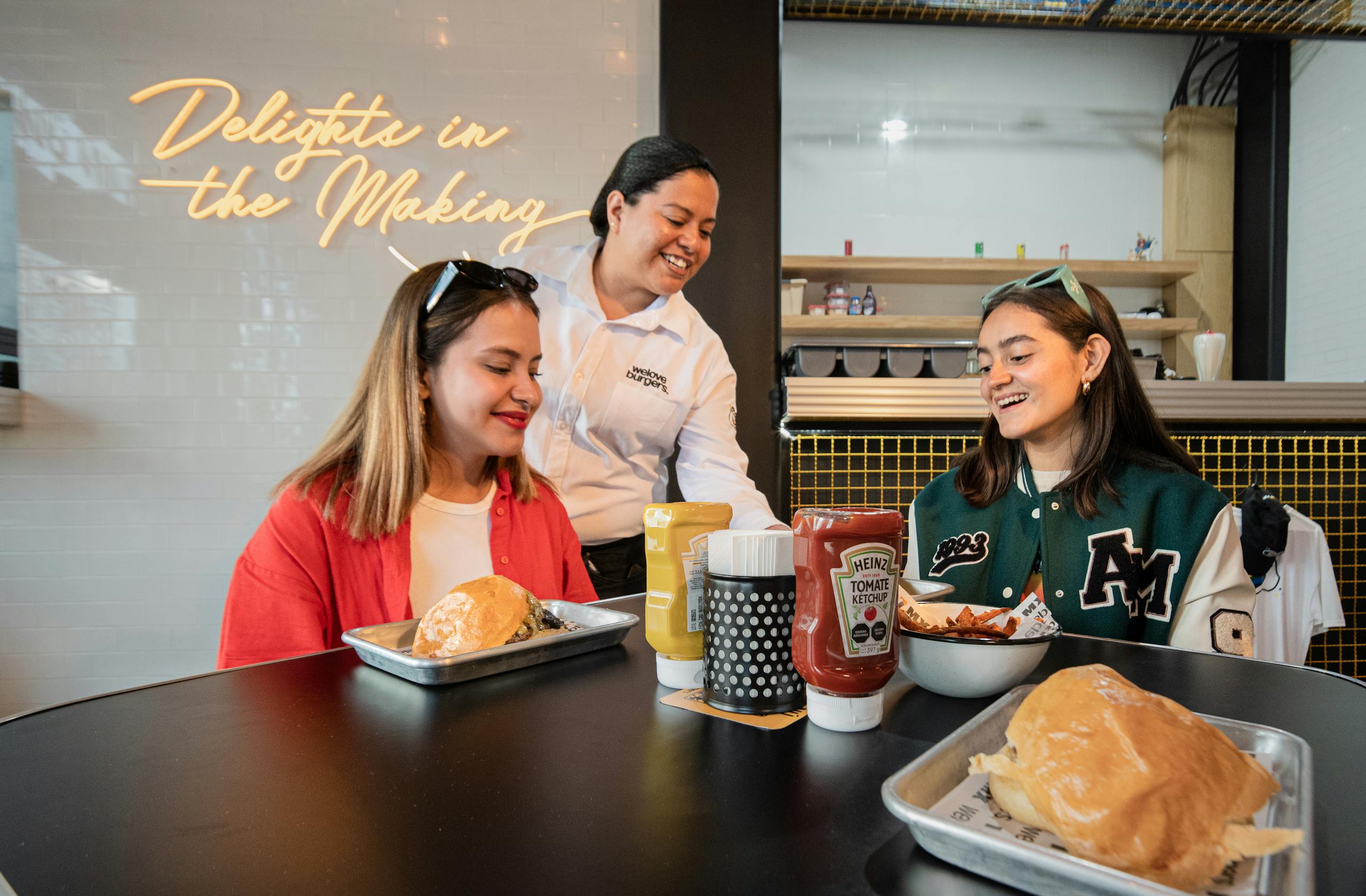 photo credit: unsplash
More than four in ten consumers told researchers they visited restaurants less often than they had a year earlier, a pattern the report ties directly to price sensitivity. Diners haven’t stopped eating out so much as they’ve gotten pickier about when and where.
Value promotions are where the association says the industry can win that traffic back. More than eight in ten diners said access to daily specials, discounts or other value promotions factors into where they order delivery, and roughly three in four said the same about takeout, drive-thru and on-premises visits at limited-service restaurants, per the report.
Key Points
- The NRA projects $1.55 trillion in industry sales for 2026, with 1.3% inflation-adjusted growth.
- 61% to 64% of operators reported lower customer traffic in 2025 than the year before.
- Roughly 8 in 10 diners say value promotions influence where they order delivery.
Operators are already adjusting. Ninety percent of full-service restaurants raised menu prices over the past year, while 43% shrank portion sizes and 31% swapped in lower-cost ingredients to manage rising food costs, according to the association’s data. Those moves reflect a squeeze between costlier ingredients and diners who are increasingly comparing prices before they order.
“Success for operators this year will hinge on their ability to get the math right in a still-challenging economic environment,” said NRA chief economist Chad Moutray in the association’s release announcing the report. Michelle Korsmo, the association’s president and CEO, added in the same release that restaurants remain “an economic powerhouse” even amid soft consumer spending and sustained margin pressure.
The report effectively frames 2026 as a test of whether comfort-food staples and value-priced combo meals can hold onto price-conscious regulars long enough for the industry to actually reach its own sales target, rather than fall short of it the way traffic already has.
Younger diners are driving much of the price sensitivity, according to the association’s research, which found that younger consumers weigh deals and promotions more heavily than older diners do when deciding where to eat. That generational split matters for a $1.55 trillion projection built partly on the assumption that spending holds up even as household budgets tighten elsewhere.
None of this means the industry expects a slowdown. The association still projects real, inflation-adjusted sales growth of 1.3% for the year. But the gap between last year’s traffic numbers and this year’s sales target is exactly the gap the report says value pricing has to close.