

Beef prices are forecast to jump as much as 9.8% in 2026, according to the USDA Economic Research Service’s Food Price Outlook, driven by tight cattle supplies that are expected to shrink beef production through the back half of the year. Poultry, sitting right next to it in the meat case, is forecast to rise just 0.5%. That’s not a rounding error. It’s the difference between a protein that’s meaningfully reshaping grocery budgets and one that’s barely moving at all. If beef has felt harder to justify lately, the math backs up that instinct, and it points pretty clearly toward what should be filling the cart instead.
The Gap, in USDA’s Own Numbers
USDA’s forecast, last updated in August 2026, puts beef and veal’s likely 2026 increase in a range of 7.0% to 12.6%, tied to tighter cattle herds and reduced production expected later in the year. Poultry’s forecast range, by contrast, runs from a 0.8% decline to a 2.0% increase, landing near flat at the midpoint. For context, the overall food-at-home basket is forecast to rise 2.5% this year, meaning beef is climbing roughly four times faster than groceries overall, while chicken is basically tracking sideways. Few categories in the entire report show that wide a gap between two proteins competing for the same spot on your dinner plate.
Why Chicken Is Holding Steady
Poultry production has stayed comparatively stable, without the same supply constraints squeezing the cattle industry. Beef producers are working with a smaller national herd and a longer production cycle, since it takes roughly two years to raise cattle to market weight, which means today’s tighter supply reflects breeding decisions made well before this year. Chicken’s production cycle runs in weeks, not years, letting poultry producers respond to demand far more quickly. That structural difference is a big part of why one protein’s price is swinging nearly 10% while the other is holding almost flat.
Sheet-Pan Dinners That Put the Savings to Work
A flat-priced protein is most useful when it’s built into dinners you’ll actually make again, and sheet-pan chicken is about as low-effort as weeknight cooking gets. One pan, one oven, minimal cleanup, and a protein that isn’t pulling your grocery bill upward the way beef currently is.
- Sheet-pan chicken and root vegetables: Bone-in chicken thighs roasted alongside potatoes, carrots and onions, tossed in olive oil, garlic and rosemary. It’s the closest thing to a Sunday roast that still fits on a Tuesday.
- Honey mustard chicken with green beans: Chicken breasts brushed with a honey mustard glaze, roasted with green beans and cherry tomatoes on the same tray, finished under the broiler for a few minutes of color.
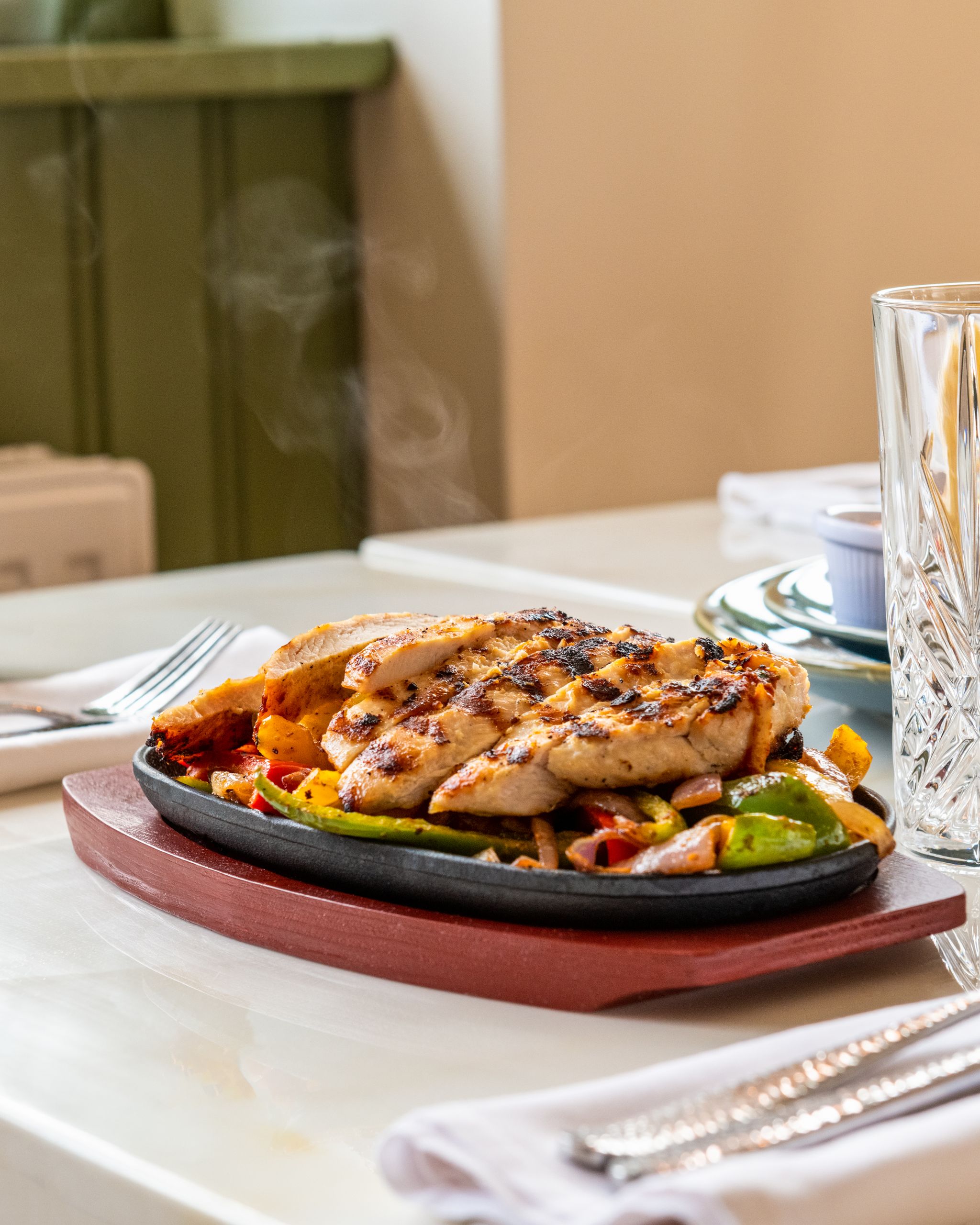
- Sheet-pan fajita chicken: Sliced chicken thighs with bell peppers and onions, tossed in chili powder, cumin and lime, roasted hot and fast, then piled into tortillas.
- Lemon herb chicken with broccoli: Chicken thighs and broccoli florets roasted with lemon slices, garlic and Italian seasoning, a straightforward dinner that reheats well for next-day lunches.
Getting More Out of the Same Tray
Sheet-pan dinners also happen to be one of the easiest ways to stretch a stable protein even further, since a single tray of chicken thighs or breasts can absorb whatever produce is cheapest that week, whether that’s a bag of frozen vegetables or the last of the summer squash. Buying bone-in, skin-on cuts rather than boneless breasts tends to shave a little more off the per-pound cost, and thighs in particular hold up better to high-heat roasting without drying out, which means fewer wasted dinners and fewer trips back to the store.
What This Means Heading Into the Rest of the Year
Because USDA’s forecast range for beef tops out well above 12%, while poultry’s ceiling sits at just 2%, the price gap between the two proteins isn’t likely to close anytime soon. That makes chicken less of a temporary workaround and more of a genuinely dependable budget anchor for the months ahead. Beef isn’t disappearing from anyone’s rotation entirely, but the numbers make a pretty strong case for which protein deserves the bigger share of the weekly menu right now. When one category is barely moving and the other is climbing toward double digits, that’s not a close call.

