Fall weekend bookings on Airbnb now outnumber every other season, and the company’s own newsroom data shows something else driving that shift: nearly half of Gen Z’s trending fall reservations this year are landing in small towns most travelers couldn’t place on a map. Ninety percent of Gen Z respondents told Airbnb that under-the-radar destinations with a quirky backstory now appeal to them more than a postcard beach or a famous skyline. Airbnb has given the behavior a name: “lore-tripping.” Searches for Twentynine Palms, California, are up 50% year over year among Gen Z travelers alone. It’s arriving at the exact moment traditional bucket-list cities have gotten more crowded, and pricier, than ever.
What Lore-Tripping Actually Looks Like
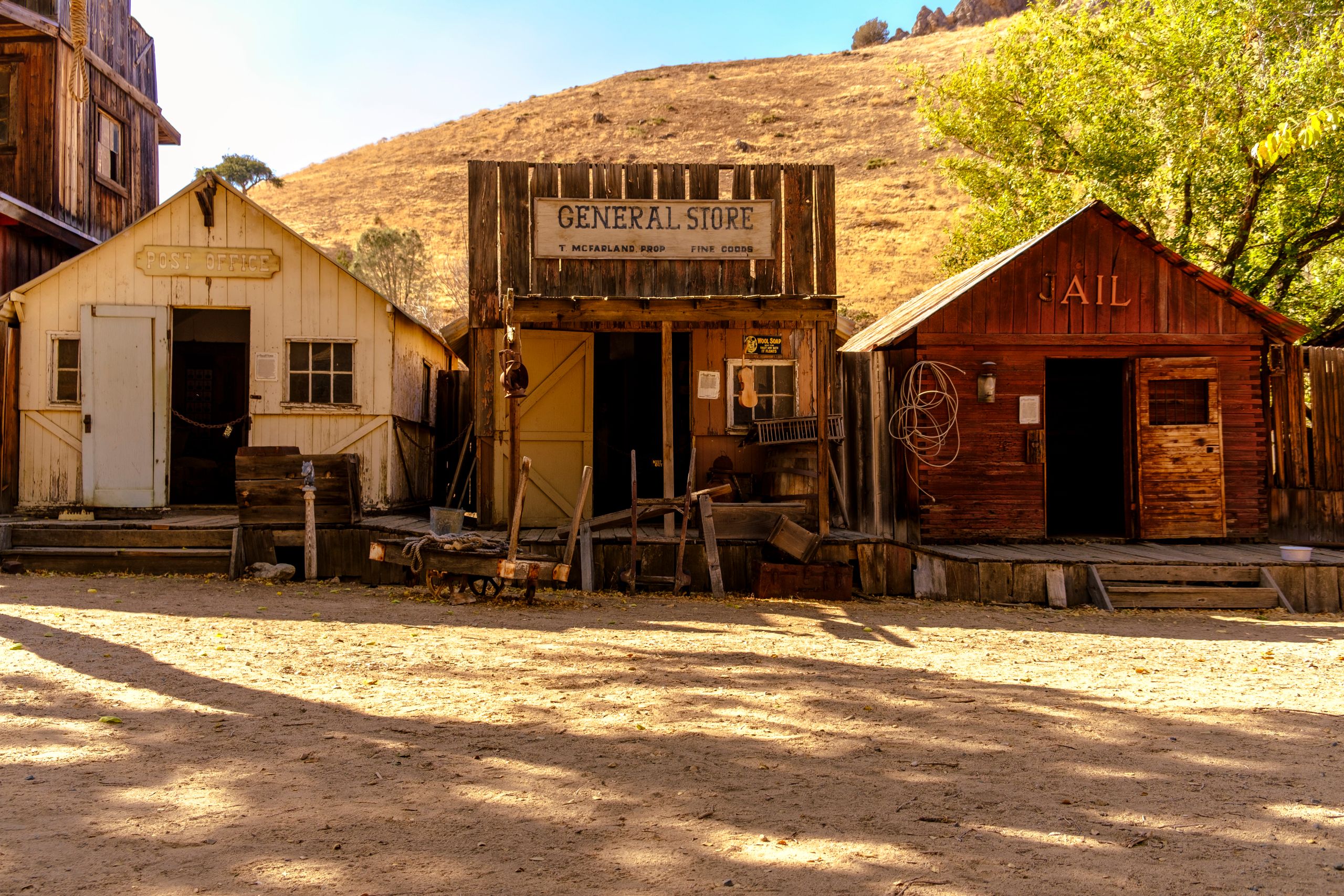
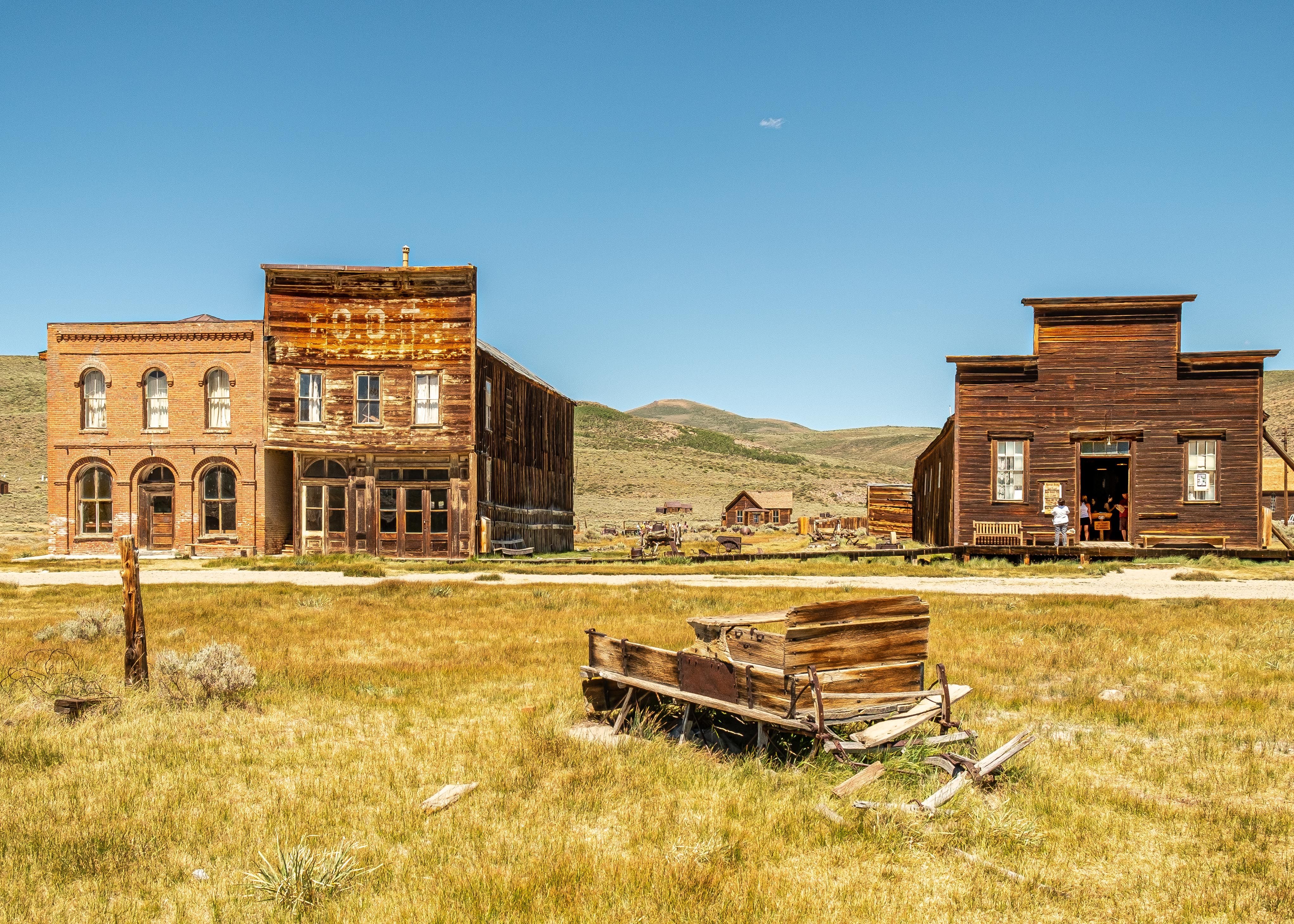
Lore-tripping isn’t ghost-hunting in the traditional sense. Airbnb defines it as travel built around a place’s local legend, unsolved mystery, or offbeat historical footnote rather than its scenery. The company points to Point Pleasant, West Virginia, where a red-eyed creature reportedly spotted near town in 1966 spawned the Mothman legend; the sighting now anchors a museum, a statue, and an annual festival that pulls visitors well past Halloween. Gibsonton, Florida, draws a different kind of curiosity seeker: it was long a wintering ground for traveling circus and carnival performers, and its roadside oddities still trade on that heritage. Bemidji, Minnesota, leans on the giant statues of Paul Bunyan and Babe the Blue Ox that have anchored the lakeside town for generations. None of these places has a coastline or a five-star hotel row. That’s the point.
The Towns Cashing In
The search data backs up the anecdotes. Beyond Twentynine Palms’ 50% jump, Hot Springs, Arkansas, is up 30% in Gen Z searches, and Helen, Georgia, a small Bavarian-themed mountain town, has climbed 15%. Half of the travelers driving this shift cite affordability, authentic local culture, and attractions they can’t find anywhere else as their top motivations, per Airbnb’s data. Roughly 60% of all survey respondents said they’re planning a fall weekend getaway this year, and the travel outlet Matador Network notes that this pattern is showing up alongside a parallel trend Airbnb calls “groundhopping,” where nearly 70% of respondents said visiting stadiums and music venues now shapes where they book a trip.
Why the Timing Makes Sense
Overtourism has made the math simple for a lot of travelers. When a handful of global cities cap visitor numbers or raise tourist taxes, a three-hour drive to a town with a genuinely strange story starts looking like the smarter trip, not just the cheaper one. Fall adds another layer: shorter days and cooler nights make legend-driven travel feel more atmospheric than it would in July, and Airbnb’s data shows fall now beats summer as the top season for weekend trips overall. Small towns also tend to have more short-term rental inventory relative to demand than major metros, so prices haven’t caught up to the search interest yet. That gap won’t last if the trend keeps compounding the way this year’s numbers suggest it will.
What It Means for Your Next Trip
You don’t need a haunted house to lore-trip successfully. Any town with a documented local legend, an odd historical claim to fame, or a museum built around one strange event qualifies, and plenty of them are within driving distance of wherever you live. Booking early still matters in the handful of towns getting national attention, since inventory in a place like Point Pleasant was never built for a tourism surge.
How to Plan a Lore-Trip Without Overpaying
Because lore-tripping destinations skew rural, the usual big-city booking rules don’t apply the same way. Short-term rental supply in a town of a few thousand people can vanish fast once a single festival weekend or a viral social post puts it on the map, so travelers chasing this trend are better off booking a month or more ahead rather than the week-of approach that still works in larger cities. It’s also worth checking whether a town’s signature legend has an annual event tied to it, since arriving during, say, the Mothman Festival in Point Pleasant means a completely different crowd size and price point than a random weekend in March. Local visitor bureaus in these towns tend to be small operations without the marketing budget of a major destination, so a direct call or email often turns up lodging options that never show up in a standard search.
A Trend Bigger Than One Booking Season
What makes this shift worth watching isn’t just the raw percentage jumps in a handful of small towns. It’s that Airbnb, one of the largest lodging platforms in the world, is now building marketing and inventory strategy around a behavior that barely registered as a category five years ago. Travelers chasing beaches and skylines aren’t wrong to keep doing that. They’re just no longer the only ones setting the fall travel agenda, and the towns with the best stories are the ones benefiting first.