A stay in a Bora Bora overwater bungalow gets filed away by most travelers under “someday,” a bucket-list line item next to things like an African safari or a private island rental, more fantasy than plan. Travel creator Jasmine Dustin, who has built an audience of 113,000 followers, pushed back on that framing with a Four Seasons Resort Bora Bora stay that turned into a reel drawing more than 531,000 views, far beyond her usual reach. The appeal isn’t a mystery once you look at what’s actually included in a stay there, and what it actually costs compared to what people assume.

What’s Actually Inside One of These Bungalows
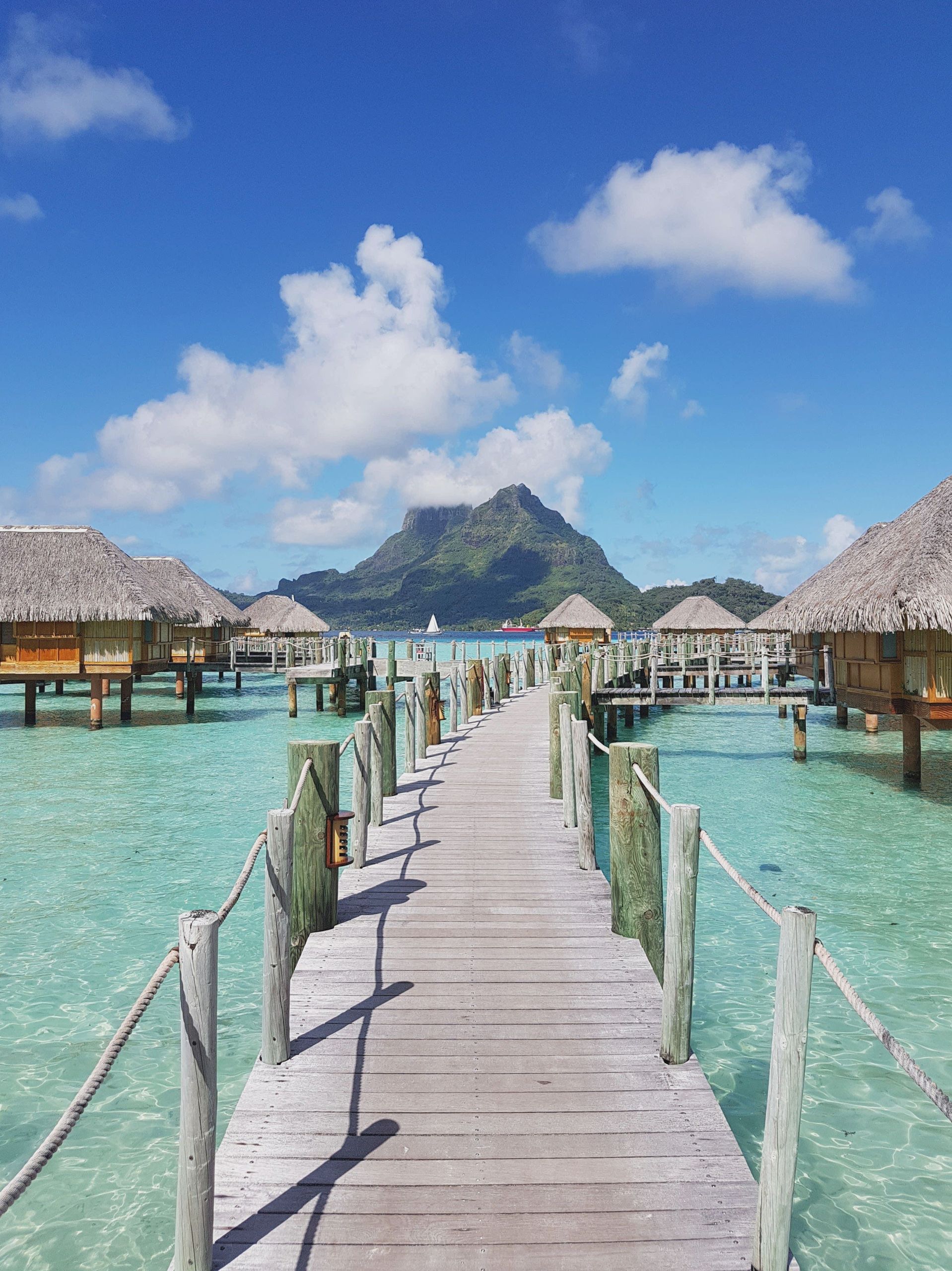
The resort’s one-bedroom overwater bungalows run about 1,120 square feet, according to the property’s own accommodations page, with a private furnished deck of roughly 250 to 400 square feet built from teak and topped with a traditional pandanus-leaf thatched roof. Each one comes with its own freshwater plunge pool, an infinity-edge design set into the deck, along with a ladder leading straight down into the lagoon. Inside, guests get a soaking tub positioned for lagoon views, a private bar stocked with a Nespresso machine, and the kind of glass-floor panels that let you watch reef fish pass underneath the room without leaving bed. Two-bedroom layouts scale up to more than 2,200 square feet for families or groups traveling together.
The Price Tag People Assume Versus the One That’s Real
Ask most people what a night in an overwater bungalow costs and the guesses tend to run wild, often well past what it actually is. Real nightly rates at the Four Seasons Bora Bora typically fall between $1,500 and $3,500, according to Bora Bora Insider’s own cost breakdown of the destination, depending on season, bungalow category, and included meal plans, and listings on booking platforms show Four Seasons properties on the island starting near $2,000 a night during parts of the year. It’s a genuinely significant number, no question, but it’s also a defined, bookable range rather than the vague “unattainable” price tag most people assign it before ever checking.
Context helps here, too. The same cost breakdown estimates a full five-to-seven night Bora Bora trip, flights included, at somewhere between $8,000 and $12,000 for two people once meals and activities are factored in, with accommodations making up the largest single share of that by far. That’s a real number worth planning and saving toward specifically, the same way someone might save for a wedding or a down payment, rather than a number so abstract it never gets budgeted for at all.
Why the Splurge Framing Undersells It
Part of what makes a resort like this different from a generic luxury hotel is the setting doing work no amount of thread count can replicate. Bora Bora’s lagoon sits inside a barrier reef that keeps the water unusually calm and clear, and the island’s central peak, Mount Otemanu, is visible from many of the bungalows facing the interior of the lagoon. That combination, still water, visible marine life, a dramatic volcanic backdrop, is specific to a small number of Pacific islands and can’t really be recreated at a resort built on a regular coastline, which is a meaningful part of why travelers who make the trip tend to describe it as worth the cost rather than merely expensive.
It’s Not Just the Room
The resort itself sits on Motu Tehotu, a private islet inside the lagoon with its own acre of white-sand beach, according to the property’s own site, which also lists guided snorkel excursions where guests swim alongside rays and reef sharks in shallow, controlled conditions, plus jet-ski tours through the lagoon and private sunset dinners set up on a separate motu with champagne and a Tahitian legends storytelling session included. None of that shows up in a simple nightly rate comparison, but it’s a large part of what separates a stay here from a beachfront resort anywhere else in the world, and part of why the price tag buys more than square footage.
Saving For It On Purpose
None of this turns a Bora Bora trip into a casual weekend decision, and it shouldn’t. But treating it as something nobody actually books skips over the fact that it is, in fact, bookable, with a real calendar, a real price range, and real payment plans available through most travel agents. What a reel like Dustin’s does, intentionally or not, is turn a hazy fantasy into a specific, researchable goal: a real number, a real resort, and a real reason it might be worth building a savings plan around instead of filing it away as something other people get to do.