Most travelers planning a Turkish coastal trip narrow it down to three names before they’ve even opened a map: Antalya, Bodrum, or Marmaris. All three are real, established destinations for good reason. But the Australia-based account Islamic Travel & Tours, which reaches 46,000 followers on Instagram, used a recent reel that pulled in more than 135,000 views to make the case for skipping all three in favor of a quieter stretch of the same coastline, one built around fishing-village streets, private villa pools, and a beach culture that looks nothing like the resort strips further north.

The Town Doing the Quiet Upstaging
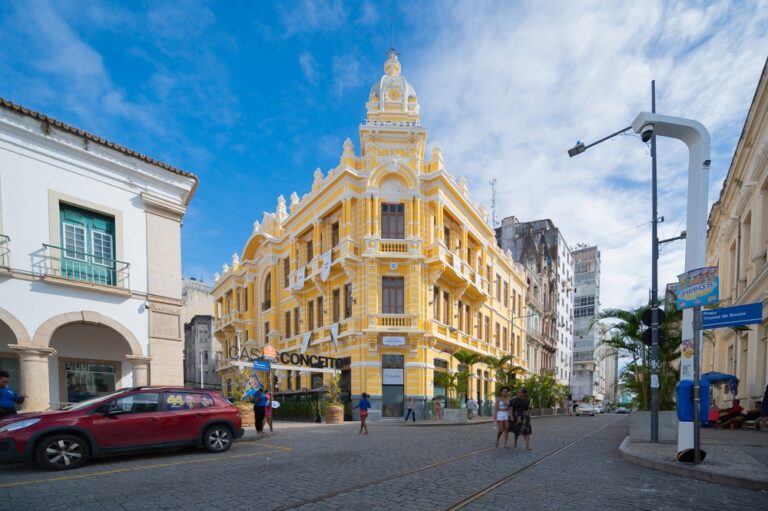
Kalkan sits about 214 kilometers, roughly four and a half hours, southwest of Antalya’s airport, tucked into a stretch of coastline where mountains drop almost straight into the Mediterranean. According to Turkey Travel Planner, a long-running independent guide to the country, the town began as a Greek fishing village once called Kalamaki before it grew into an upscale, low-rise resort town that has kept most of its Ottoman-era streets intact. The same geography that makes it a squeeze to build in also means Kalkan skipped the high-rise hotel towers that define a lot of Turkey’s bigger beach destinations.
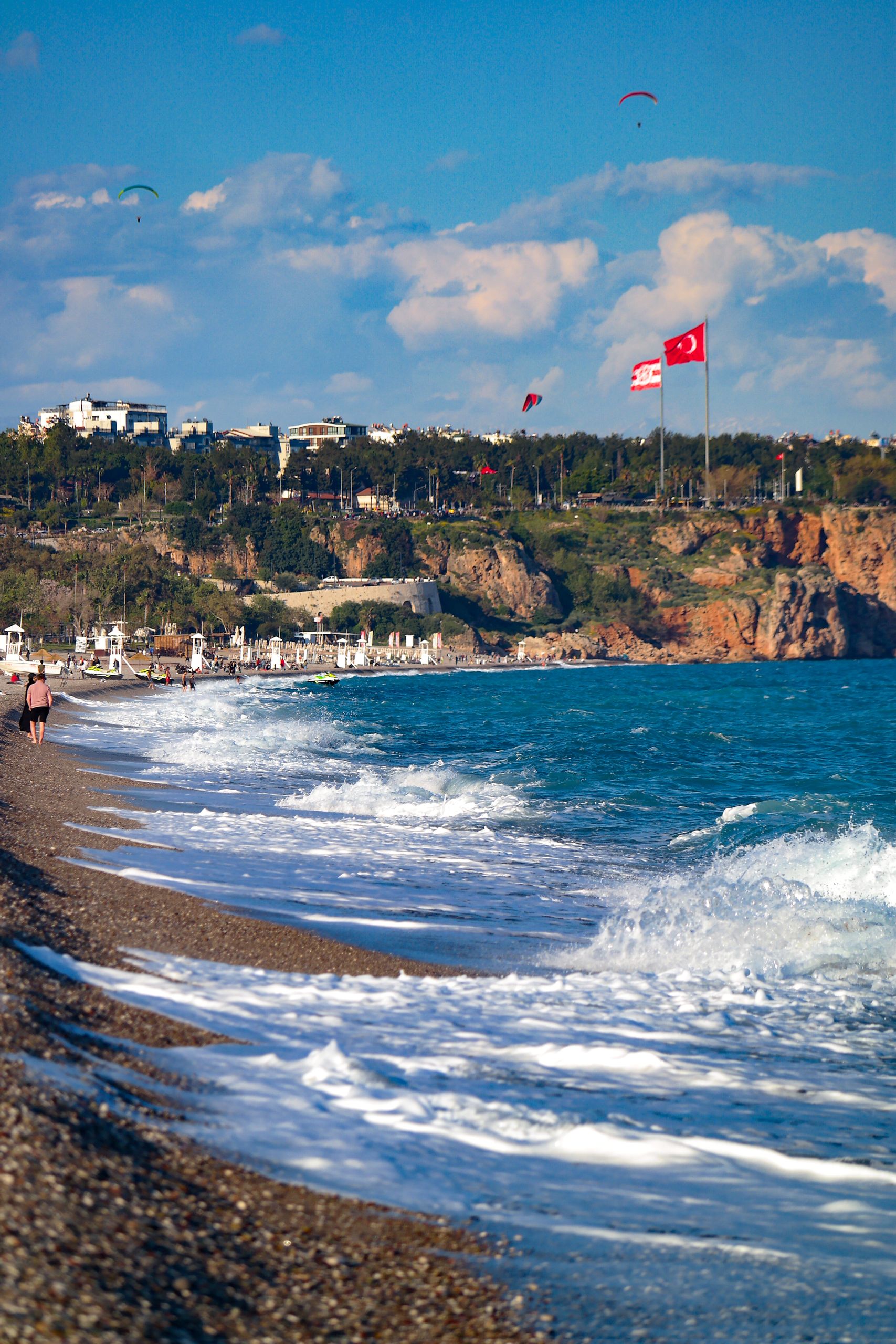
That geography changes the whole rhythm of a beach day, too. Because the coastline is mostly rock and cliff rather than sand, locals and visitors swim from small concrete platforms reached by ladders and stairs, and the closest real beach, Kaputaş, is a hidden cove about seven kilometers away, reachable down a long staircase cut into the cliffside. It’s a different kind of coastal vacation than a wide sandy strip in Marmaris, more private cove than public beach, and that trade-off is a large part of what quieter-destination advocates are pointing to.
Why It Reads Differently Than Antalya, Bodrum, or Marmaris
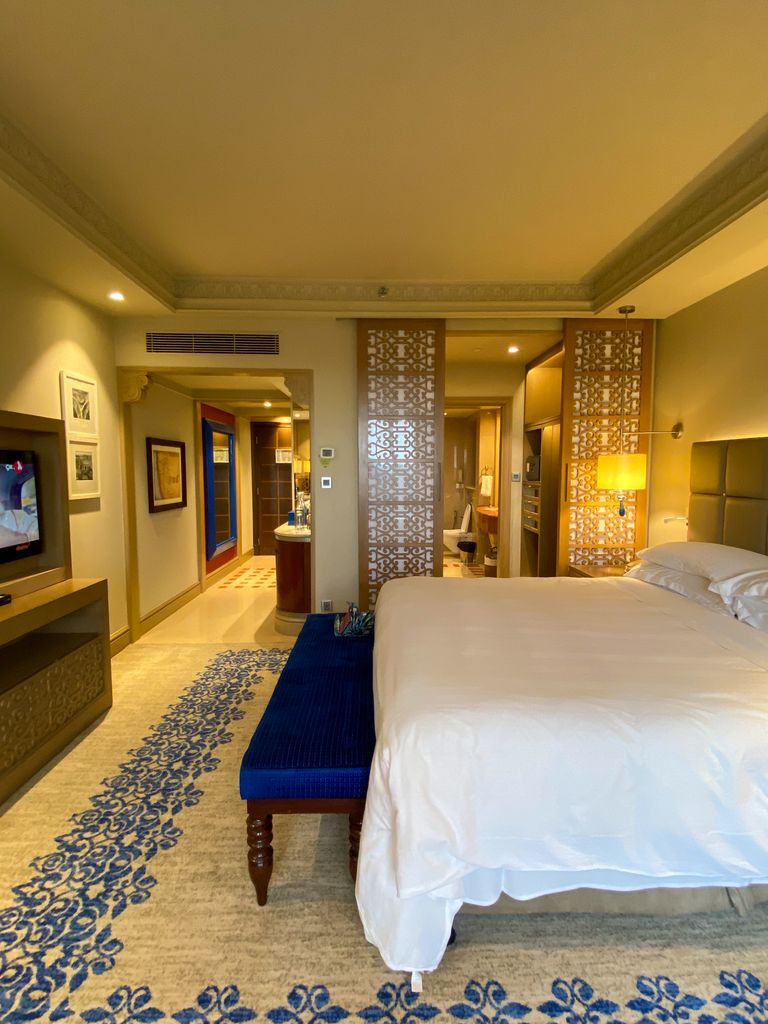
Antalya, Bodrum, and Marmaris all built their reputations on scale: big airports, big hotel chains, big nightlife districts. Kalkan built its reputation on the opposite. Much of its accommodation is villa-based rather than hotel-block based, and it markets heavily to travelers who want a private pool and a quiet week rather than an all-inclusive resort with a packed pool deck. That distinction matters for a specific audience the original reel’s account speaks to directly: Muslim and halal-conscious travelers.
Turkey overall is a majority-Muslim country, but Kalkan’s particular mix, small scale, high concentration of privacy-focused villas, and a slower pace, makes it easier for families to find exactly the kind of stay they want. Halalbooking’s own destination guide notes that with more than 99% of the local population Muslim, halal food is simply the default at restaurants and hotels rather than a special request, and the town has multiple mosques, including one in the old town center, along with alcohol-free cafés and restaurants throughout. Many of its villas, the guide adds, come with fully secluded private pools, a feature that’s harder to find at scale in a resort town built around shared hotel pools and public beach clubs.
What There Is to Actually Do
Kalkan isn’t just a place to sit still, either. It functions as a base for day trips to Kekova Island’s partially submerged ancient ruins, visible through the clear water from a boat, and to the ruins at Patara, once a major Lycian port city and now home to one of the longest undeveloped sand beaches on this part of the coast, a rare stretch of open sand in a region defined by rocky coves. A small working harbor in town runs regular boat trips out to sea caves and quieter swimming spots along the coast, giving visitors the boat-trip culture of Bodrum without the crowds that now come with it.
Worth the Extra Effort to Reach
None of this makes Kalkan an obvious swap for someone who specifically wants Marmaris’s nightlife or Bodrum’s marina scene. It’s a genuinely different kind of trip, quieter, smaller, more residential, built around villas and coves rather than resort strips and beach clubs. But for travelers who’ve defaulted to the same three names year after year without asking why, the reel’s underlying argument holds up under scrutiny: the quieter alternative a few hours down the coast isn’t a compromise so much as a different, arguably better-suited, version of the same Turkish coastal vacation.