Couples are now spending an average of $1,100 on a blend of beauty, physical health, and mental wellbeing routines while preparing for their wedding, according to Zola’s 2026 First Look Report — a figure that typically sits entirely outside the official wedding budget spreadsheet. For comparison, The Knot’s Real Weddings Study puts the average cost of day-of professional hair and makeup at roughly $300. The gap between those two numbers is the real story: the visible glam bill is only a fraction of what couples are actually pouring into how they look and feel before they say “I do.”

The Line Item Nobody Puts on the Budget Spreadsheet
Wedding budgets get built around venues, catering, photography, and dresses — the categories every planning checklist leads with. Zola’s $1,100 figure captures something that rarely gets its own line: teeth whitening, skincare routines started months out, personal training or nutrition coaching, facials, and increasingly therapy or other mental-health support leading up to the big day. It is not one big purchase. It is a slow accumulation of smaller ones, which is exactly why it is so easy for couples to underestimate how much they are spending on themselves in the run-up to the wedding.
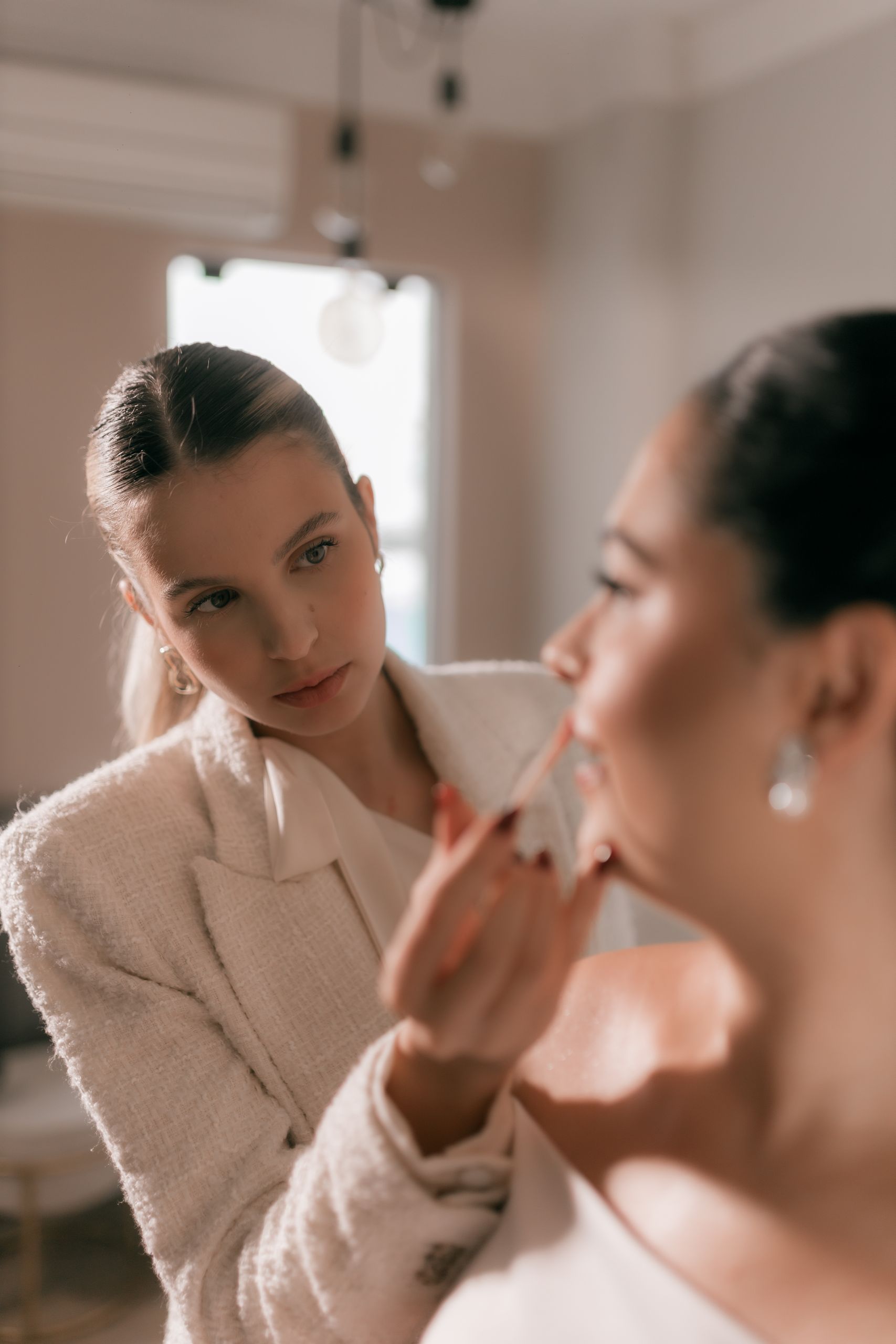
The Knot’s separate hair-and-makeup data shows how much of that spending happens outside the “beauty” category people actually plan for. Day-of hair and makeup for the bride averages around $300 nationally, according to The Knot, with regional averages ranging from about $260 in the Midwest up to $360 in the Northeast, plus another $225 to $350 commonly spent on a trial run beforehand. Even stacking a trial and the day-of service together lands well under $1,100 — meaning most of Zola’s figure is coming from somewhere else entirely: months of skincare, dental work, fitness routines, and self-care that never shows up on a vendor invoice.
Why This Spending Has Become So Normalized
Part of the explanation is simply visibility. Wedding photos and videos now circulate well beyond the guest list, showing up on social feeds, save-the-dates, and years of anniversary posts, which raises the stakes on looking and feeling a specific way on one specific day. Add in that the average engagement now runs about fourteen months, per The Knot’s data, and couples have a long runway to gradually invest in routines rather than scrambling in the final weeks. Fourteen months is enough time to see a dermatologist, work with a trainer, or simply commit to drinking more water and sleeping better — small decisions that add up financially even when no single purchase feels large.
The “physical health and mental wellbeing” half of Zola’s figure also reflects something less vain than it might first sound. Wedding planning is consistently ranked by couples as one of the more stressful life events they will go through, given the number of decisions, family dynamics, and money conversations involved in a compressed timeline. Money spent on therapy, massage, or simply a gym membership used more consistently during engagement is arguably wellness spending that would have happened anyway, just accelerated by a deadline with a date on the calendar.
What Couples Should Actually Do With This Number
The practical takeaway is not that couples should feel pressure to hit $1,100 in appearance and wellness spending — plenty spend far less and feel just as ready to walk down the aisle. It’s that this spending is real, common, and worth budgeting for on purpose rather than discovering it in scattered credit card charges over a year of engagement. Treating “self-care and beauty prep” as its own small line item, even a modest one, gives couples a clearer picture of what the engagement period actually costs versus what the wedding day itself costs.
Seen that way, the $1,100 figure says less about vanity and more about how differently couples are approaching their own bodies and stress levels during an engagement than they might during an ordinary year — treating the months before the wedding as a stretch worth investing in, not just surviving.
It also helps explain why some couples end up surprised by how their overall spending compares to the number they originally set. The Knot’s data shows forty-one percent of couples exceed their initial wedding budget, and a category as easy to overlook as ongoing beauty and wellness prep is a plausible quiet contributor to that gap. A skincare routine here, a few training sessions there, a whitening kit ordered on impulse — none of it feels like “wedding spending” in the moment, even though it is happening because of the wedding and adds up to a real number by the time the invoices are tallied months later.