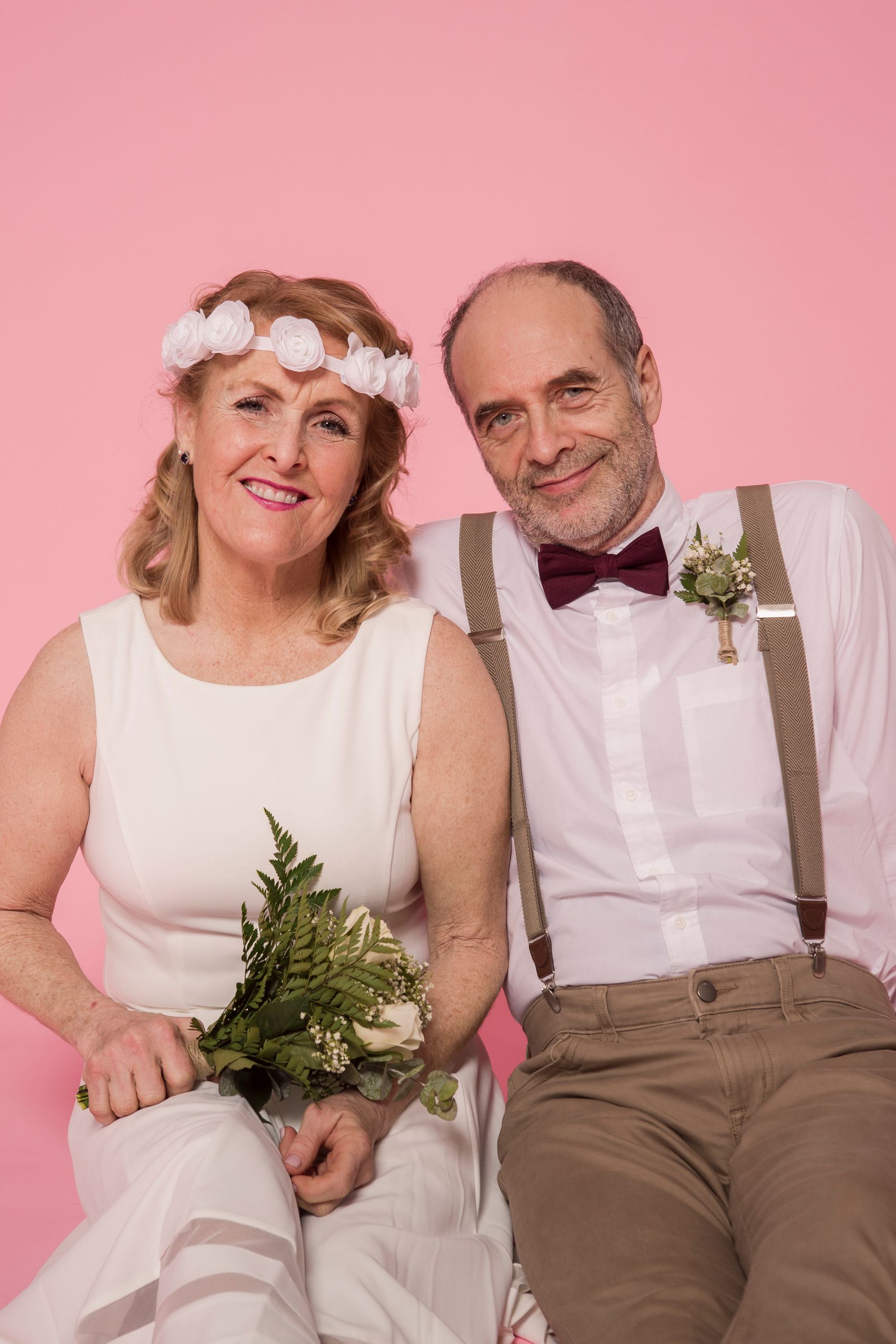
Sixty-nine percent of couples planning a vow renewal say they intend to have a reception, according to a Robbins Brothers survey of engaged and married consumers, and 77 percent expect to walk away with a new or upgraded ring. Those numbers describe something closer to a wedding than a quiet toast at the kitchen table. Sixty-eight percent said they’d want an intimate ceremony with close family and friends rather than a private, just-the-two-of-us moment, and nearly three-quarters said they’d rather write entirely new vows than repeat the ones they said the first time. The gesture that used to fit inside an anniversary dinner is turning into an event with a guest list, a caterer, and a dress code.
It isn’t only vow-renewal-specific surveys picking this up. When The Knot’s Real Weddings Study tracked couples who married in 2020, it found that a third of those who’d had a wedding with both a ceremony and reception were already planning a bigger celebration down the line to mark their union properly once large gatherings were possible again. That’s a different group of couples than the ones renewing decades-old vows, but it points to the same underlying shift: a growing comfort with treating a marriage milestone as something worth restaging in full, guest list and all, rather than something you mark quietly and move on from.
Why Now
Part of the answer is timing. According to Pew Research Center’s analysis of divorce data, the median marriage that ends in divorce now lasts 12 years, up from 10 in 2008, and about 22 percent of divorces in 2023 came after 25 years or more together. Marriages, on average, are stretching longer before anything ends them, which means more couples are actually reaching the kind of milestone anniversaries, 10th, 20th, 25th, that used to prompt a card and a nice dinner. More years married simply means more chances to want to mark it.
The other part is generational. Couples who renew vows today grew up watching weddings become more elaborate and more publicly documented than they were for their own parents. A quiet renewal ceremony doesn’t scratch that itch the way it might have thirty years ago. If a wedding today reasonably includes a photographer, a florist, and a guest list that spills past immediate family, it makes sense that a couple celebrating 20 years together would want the same treatment for round two, especially if the original wedding was small, rushed, or, for a growing number of pandemic-era couples, barely attended at all.
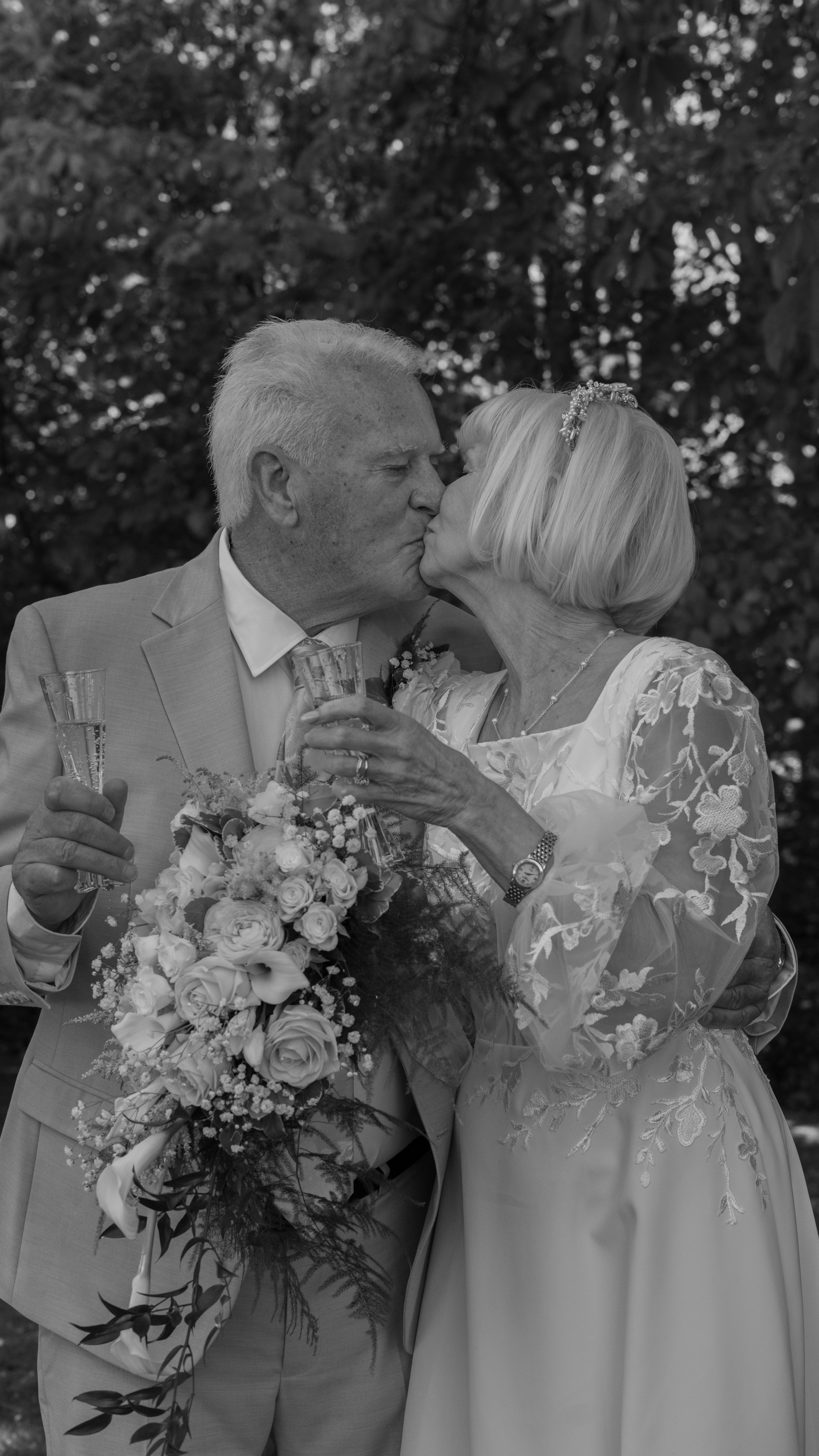
photo credit: unsplash
The financial side backs this up too. Renewal packages sold by resorts, officiants, and photographers increasingly mirror wedding packages rather than the simple “vow renewal ceremony” add-ons those same vendors sold a decade ago. When 69 percent of people planning a renewal expect a reception and more than three-quarters expect new jewelry, vendors respond by building bigger packages, and bigger packages train couples to expect a bigger event. It’s a feedback loop that has quietly turned an anniversary gesture into its own subcategory of the wedding industry.
None of this means the sentiment behind a vow renewal has changed. Couples still describe it as an act of choosing each other again, not a redo of the original day. What’s changed is the scale couples believe that choice deserves. A private toast on an anniversary used to be enough to say it. Now, for a large share of couples, saying it seems to call for the same production a wedding gets: a ceremony, a crowd, and often, a brand-new dress.
There’s also a practical reason renewals have room to grow bigger: nobody has to ask permission. A first wedding often has to answer to two families’ expectations, budgets, and guest-list politics all at once. A couple 20 years into a marriage has already navigated that once. By the time they’re planning a renewal, they usually know exactly who they want in the room, exactly what kind of day makes them happy, and exactly how much they’re willing to spend to have it, without in-laws weighing in on the venue or the menu. That freedom alone can turn what started as a simple gesture into something closer to the wedding a couple always wanted, rather than the one they were pressured into the first time.
That shift says something about what marriage has come to mean to the people renewing their promises. Reaching year 20 or year 25 together is an achievement most of their friends will never witness firsthand, and it deserves an audience. The couples filling out these surveys are asking their community to witness something they know is genuinely hard to sustain, and increasingly, they want to do that loudly.