Seventy-two percent of American adults say tipping is expected in more places today than it was five years ago. That figure comes straight from Pew Research Center’s own survey of nearly 12,000 U.S. adults, and it captures something restaurant regulars have felt for a while without necessarily having the numbers to back it up. The standard sit-down tip of 15 to 20 percent used to be the whole conversation. Now the conversation starts before you’ve even ordered, at a counter, on a screen, sometimes before anyone has done any service at all.
Pew’s data gets specific about where that frustration concentrates. Only about a third of adults say it’s easy to figure out whether they should tip (34 percent) or how much (33 percent) once you move beyond a classic restaurant meal. Opposition runs even stronger against the mechanics of digital tipping: 40 percent oppose businesses suggesting tip amounts on a screen or bill, compared with just 24 percent in favor, and a striking 72 percent oppose automatic service charges being added outright, with half of that group calling themselves strongly opposed. Only 10 percent actually support automatic charges. For a practice that’s supposedly voluntary, tipping has picked up a lot of people who feel like they’re being pushed rather than asked.
The fatigue is measurable, and it’s getting worse
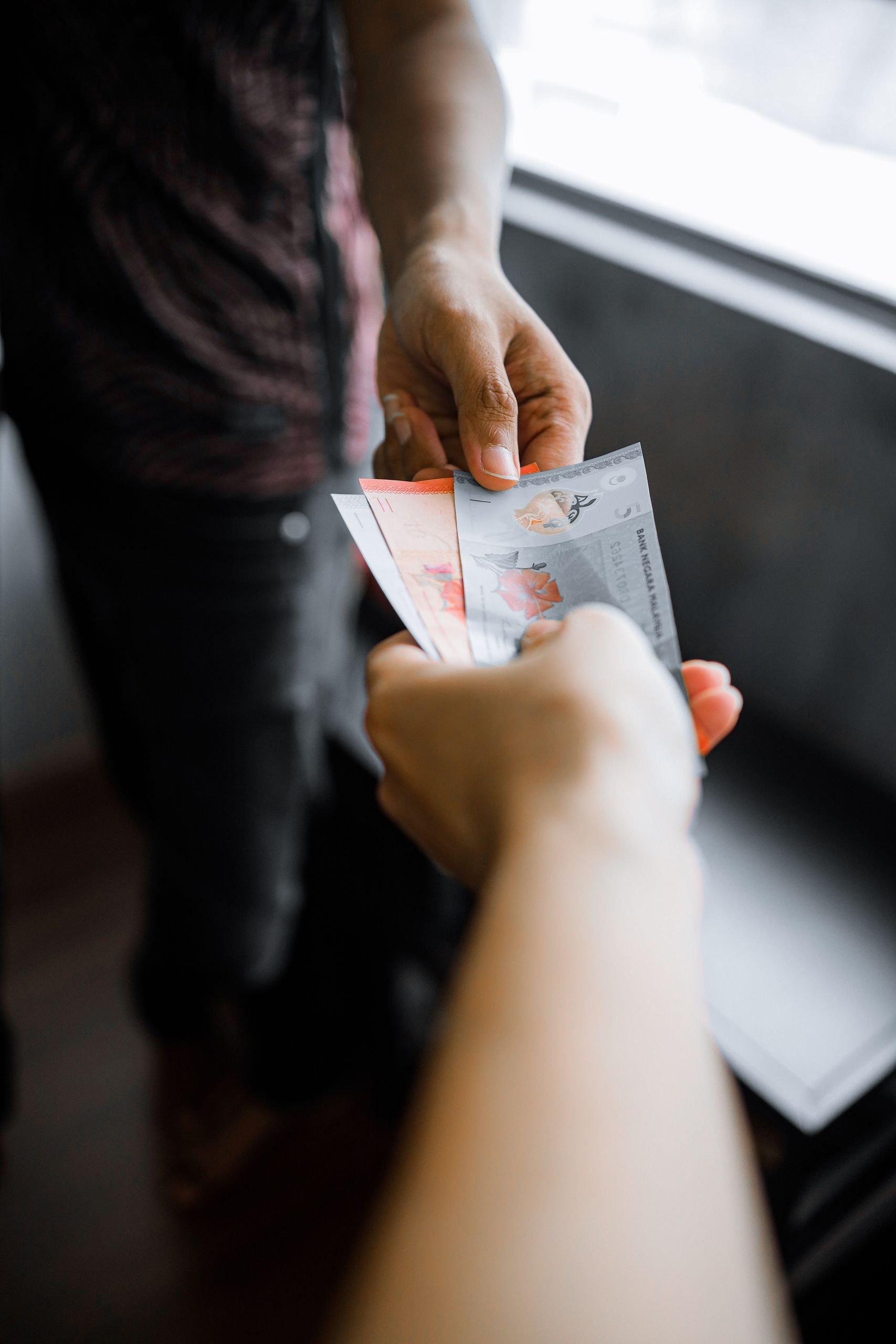
photo credit: unsplash
An annual study from restaurant technology company Popmenu, released through PR Newswire, tracks that fatigue climbing year over year. In 2023, 53 percent of consumers said they were fed up with tipping. That number climbed to 60 percent, then to 65 percent, a steady three-year climb rather than a one-time spike. The same study found people estimate they’re asked to tip roughly ten times a month, and 43 percent say that pressure has pushed them to actually tip less than they used to. Two-thirds specifically cited feeling pressured by digital payment screens that suggest gratuity amounts, especially when the prompt appears while an employee is standing right there watching.
A separate 500-person survey run by Omni Calculator in February 2026 found much the same trend from a different angle. Sixty-two percent of respondents said they’re now asked to tip in more situations than they were two years earlier, and 38 percent described their overall view of tipping as negative, versus 31 percent who still feel positive about it. Forty percent said they’ve actively avoided certain businesses specifically to dodge tip requests, which is a notable behavior change from simply grumbling about a receipt. When avoidance becomes the response, “exhausted” understates it.
None of this means Americans have stopped tipping generously where it still feels earned. Pew’s survey found 77 percent still cite quality of service as their biggest factor in deciding what to leave, and plenty of respondents across all three surveys still tip at or above the standard rate for a normal restaurant meal. What’s changed isn’t generosity at the dinner table. It’s the sheer number of moments outside that dinner table where a tip screen now appears, and how often people feel obligated to hit a button rather than genuinely choosing to.
That distinction between obligation and choice runs straight through Pew’s numbers too. Only 21 percent of respondents describe tipping purely as a choice, while 29 percent call it an obligation outright, and the largest group, 49 percent, say it depends entirely on the situation. That’s a population that hasn’t rejected tipping as a concept. It’s a population that no longer trusts the rules around it, because the rules keep expanding into places they didn’t used to apply, on a screen that flips around before the transaction is even finished.
The standard 15 to 20 percent at a sit-down restaurant was never really the problem. What’s worn people down is everything that got added around it: the counter-service prompt, the self-checkout suggestion, the screen that appears for a coffee order that took ninety seconds to make. Multiple independent surveys now put a number on what used to be an unspoken feeling, and they land on the same conclusion from different directions. Tipping culture didn’t just grow. It grew faster than the average person’s patience for being asked.