There’s a specific kind of sticker shock that hits at the grocery store or the diner counter when a food you’ve bought your whole life suddenly costs noticeably more than it used to, with no obvious change in quality to explain it. Sometimes there’s a real reason — a drought, a disease outbreak, a supply chain snag halfway around the world. Other times it just feels like prices climbed and never bothered coming back down.
Either way, a handful of everyday foods have crossed a line for a lot of shoppers, where the price now feels genuinely hard to defend next to the alternatives sitting on the same shelf. Here are six that keep coming up in that conversation.
Olive Oil
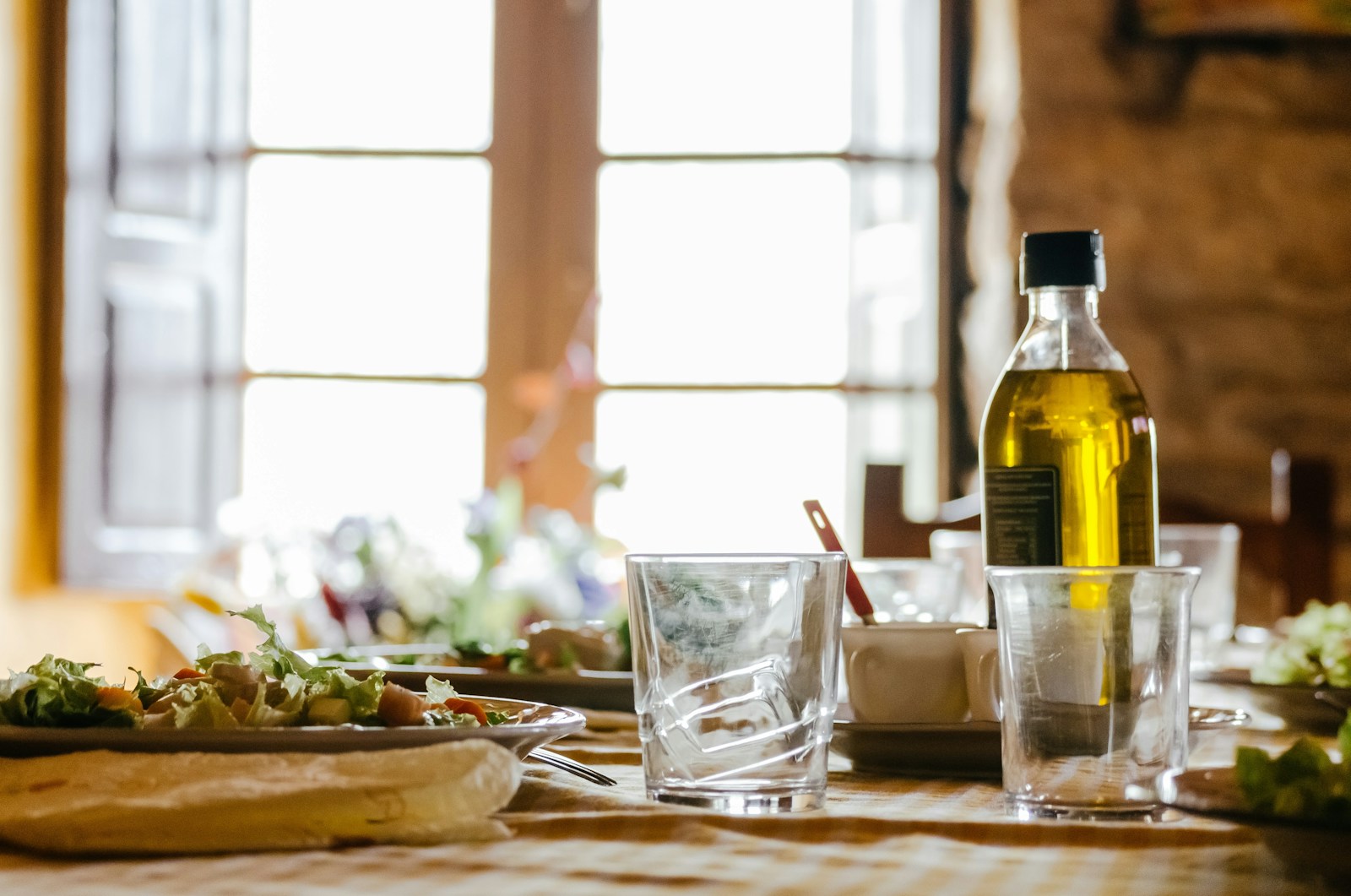
Extra-virgin olive oil has gone from a reasonably priced pantry staple to something people start rationing, largely because of severe, repeated droughts across the Mediterranean growing regions that supply most of the world’s olive oil, particularly Spain, which produces roughly half the global supply in a normal year. When the harvest shrinks, prices climb fast, and shoppers who used to reach for olive oil automatically have started reaching for cheaper vegetable or canola oil instead, saving the good stuff for finishing a dish rather than cooking with it by the cupful. Even as harvests have recovered somewhat, prices haven’t snapped back to where they were, which has left a lot of home cooks feeling like the everyday bottle became a special-occasion purchase almost overnight.
Eggs
Recurring outbreaks of highly pathogenic avian influenza have repeatedly forced the culling of millions of egg-laying hens in the United States over the past few years, and each time it happens, egg prices spike hard and fast at the grocery store. Because eggs are a staple in so many households — breakfast, baking, quick weeknight dinners — the price swings hit budgets in a way that a more occasional purchase wouldn’t. Shoppers have gotten used to checking the carton price before tossing it in the cart, something that used to be an afterthought, and some have shifted to liquid egg substitutes, powdered eggs, or simply buying fewer at a time. The frustrating part isn’t just the price itself but the unpredictability, since a staple that used to be one of the most reliably cheap items in the store now swings wildly from month to month depending on the latest outbreak.
Beef and Steak Cuts
Cattle herd sizes in the United States have shrunk to some of the lowest levels in decades, driven by years of drought that made it more expensive to feed and raise cattle, which in turn pushed ranchers to reduce herd sizes rather than expand them. Fewer cattle means tighter beef supply, and that scarcity has pushed prices on popular cuts like ribeye, brisket, and ground beef noticeably higher, both at the grocery store and on restaurant menus. Home cooks who used to grill steak on a random Tuesday now treat it more like a planned splurge, and some have shifted toward cheaper proteins like chicken thighs or pork shoulder to stretch the budget further. It’s a slow-moving supply problem rather than a temporary spike, since it takes years to rebuild a cattle herd, which means relief at the meat counter isn’t expected to arrive quickly.
Specialty Coffee Drinks
Coffee itself has gotten more expensive at the source, with global arabica and robusta prices climbing due to poor harvests in major growing regions like Brazil and Vietnam, and that cost increase has rippled straight through to the coffee shop counter. A basic drip coffee absorbing that increase is one thing, but a specialty espresso drink loaded with oat milk, flavored syrup, and a seasonal upcharge can now run well past six or seven dollars in a lot of cities, which has a growing number of regular customers doing the math on how much a daily habit actually costs over a month. Some have shifted to making espresso-style drinks at home with a moka pot or a budget espresso machine, treating the coffee shop version as a once-in-a-while treat rather than a daily stop.
Imported Shrimp and Seafood
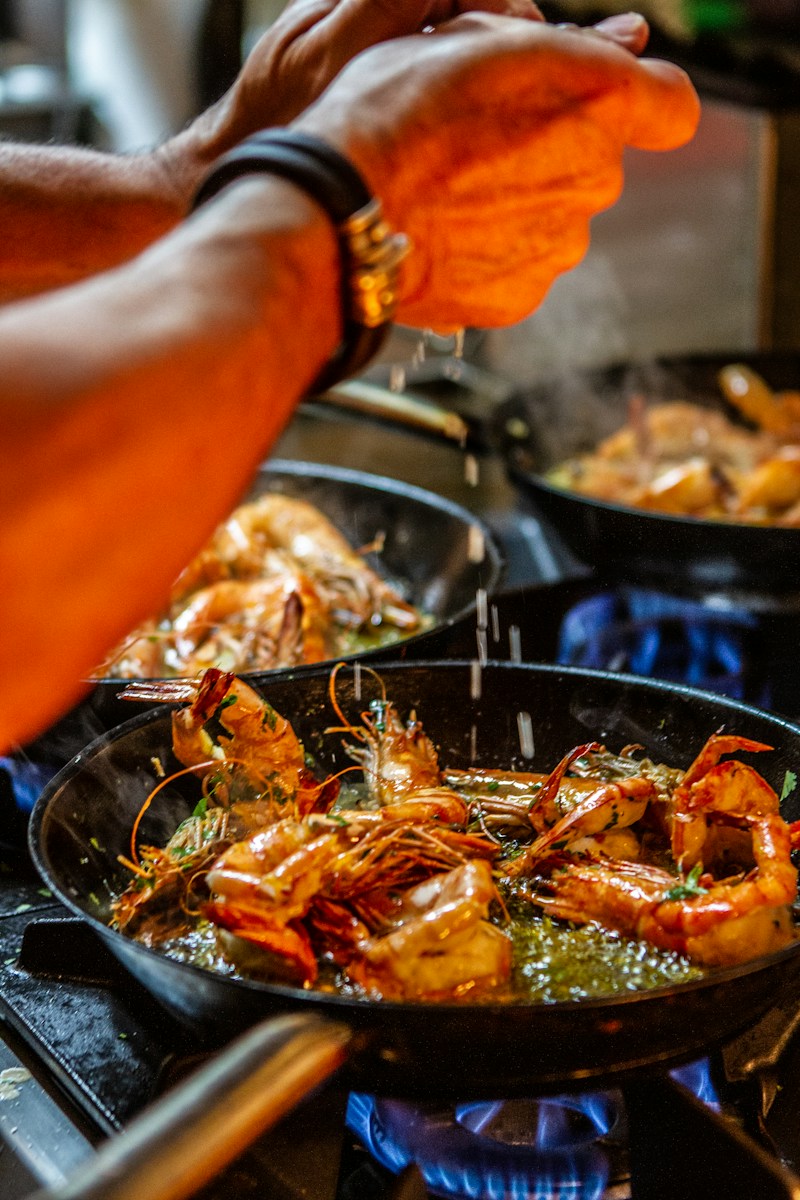
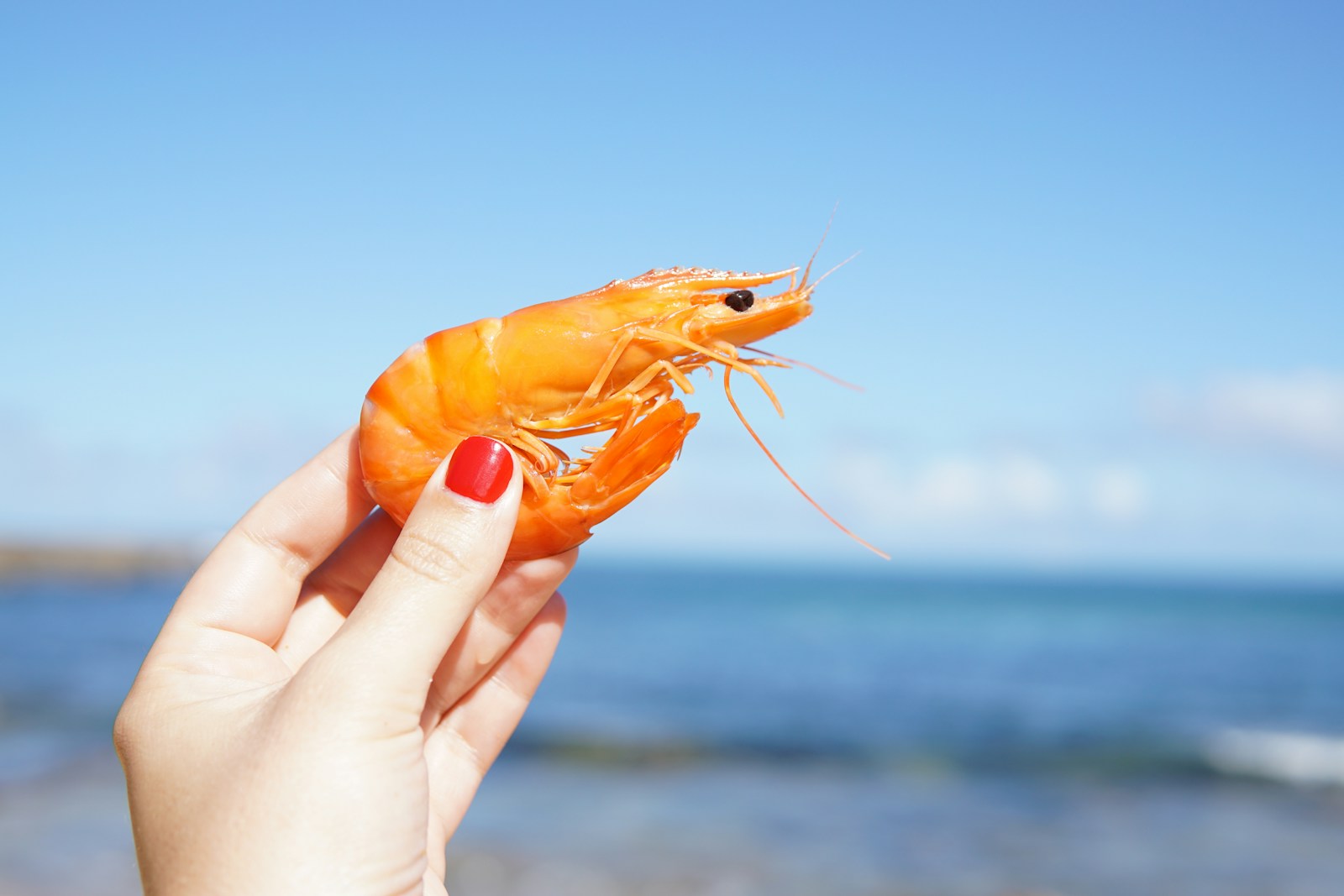
A lot of the shrimp sold in American grocery stores and restaurants is imported, and pricing on it has become a genuine source of frustration, with costs shifting due to feed prices, fuel costs for shipping, and disease pressures on farmed shrimp operations overseas. At the same time, the quality gap between farmed, frozen, previously-thawed shrimp and fresh, well-sourced options has become more obvious to shoppers who are paying closer attention to what they’re getting for the price. Diners who order shrimp cocktail or shrimp scampi at a restaurant sometimes find themselves comparing the portion size and quality to what they remember from a few years back and coming away unimpressed relative to the bill, which has pushed some toward other seafood options or toward buying shrimp only when it’s genuinely on sale.
Orange Juice
Citrus greening disease, a bacterial infection spread by a small insect, has devastated orange groves in Florida over the past couple of decades, cutting the state’s citrus production dramatically from where it once stood. Because Florida has historically supplied a huge share of the orange juice sold in the U.S., that production collapse has pushed juice prices up substantially, even as the industry has leaned more heavily on Brazilian imports to fill the gap. A carton of orange juice that used to be an unremarkable breakfast staple now often costs close to what a gallon of milk runs, which has left a lot of shoppers treating juice as an occasional purchase rather than a standing item on the weekly list, and some have shifted to whole oranges or other juices entirely as a workaround.

As a mom of three busy boys, I know how chaotic life can get — but I’ve learned that it’s possible to create a beautiful, cozy home even with kids running around. That’s why I started Cultivated Comfort — to share practical tips, simple systems, and a little encouragement for parents like me who want to make their home feel warm, inviting, and effortlessly stylish. Whether it’s managing toy chaos, streamlining everyday routines, or finding little moments of calm, I’m here to help you simplify your space and create a sense of comfort.
But home is just part of the story. I’m also passionate about seeing the world and creating beautiful meals to share with the people I love. Through Cultivated Comfort, I share my journey of balancing motherhood with building a home that feels rich and peaceful — and finding joy in exploring new places and flavors along the way.